The big tech is turning rogue. It is no longer an uninfluenced group of technological platforms. The way Twitter and Facebook have booted out Trump, or how Google has cut off Parler- a social network popular with Trump supporters, we now understand how seriously big tech can influence electoral outcomes or the political landscape per se. The Indian lawmakers have taken a hint from what is happening in the United States.
It is a wake-up call for India and a signal that what the big tech can do is a matter of national security for democracies like India, Israel and many others. Twitter and other such social media platforms simply cannot be allowed to decide the fate of a democratic system.
This is all much bigger than US politics.
It is a matter of national security for India, Israel, and every other country to maintain a sovereign communications channel for their leaders to reach their people directly.
The world cannot be ruled by American corporations. https://t.co/2dDtcOICQ8
— Balaji (@balajis) January 9, 2021
Twitter’s vindictive action against Trump simply reeks of such blatant vendetta that it is hard for other countries not to notice. After the US Presidential election results, there were clear indications- engagement on flagged Trump tweets also started getting limited “inadvertently”.
And what happened after the US Capitol breach, actually exposes how partisan the big tech can get. Imagine, Twitter took down Trump’s Twitter handle, even though it was the most popular politician handle on the platform. Twitter has literally silenced opposition against the Democrats in a single stroke.
Big tech can remove who it wants and when it wants. Also, these social media platforms get to decide who stays, which reduces public discourse to absurdity. Take, for example, what Senator Lindsey Graham has to say, “The Ayatollah can tweet, but Trump can’t. Says a lot about the people who run Twitter.”
American tech corporations have many reasons to get partisan in the US. For starters, House Democrats in the US spoke about big tech monopoly last year and suggested measures to rein in such monopoly power. The big tech itself wouldn’t want its monopoly to be cut down by the incoming Biden administration, and turning partisan helps them stay in the good books of Biden administration.
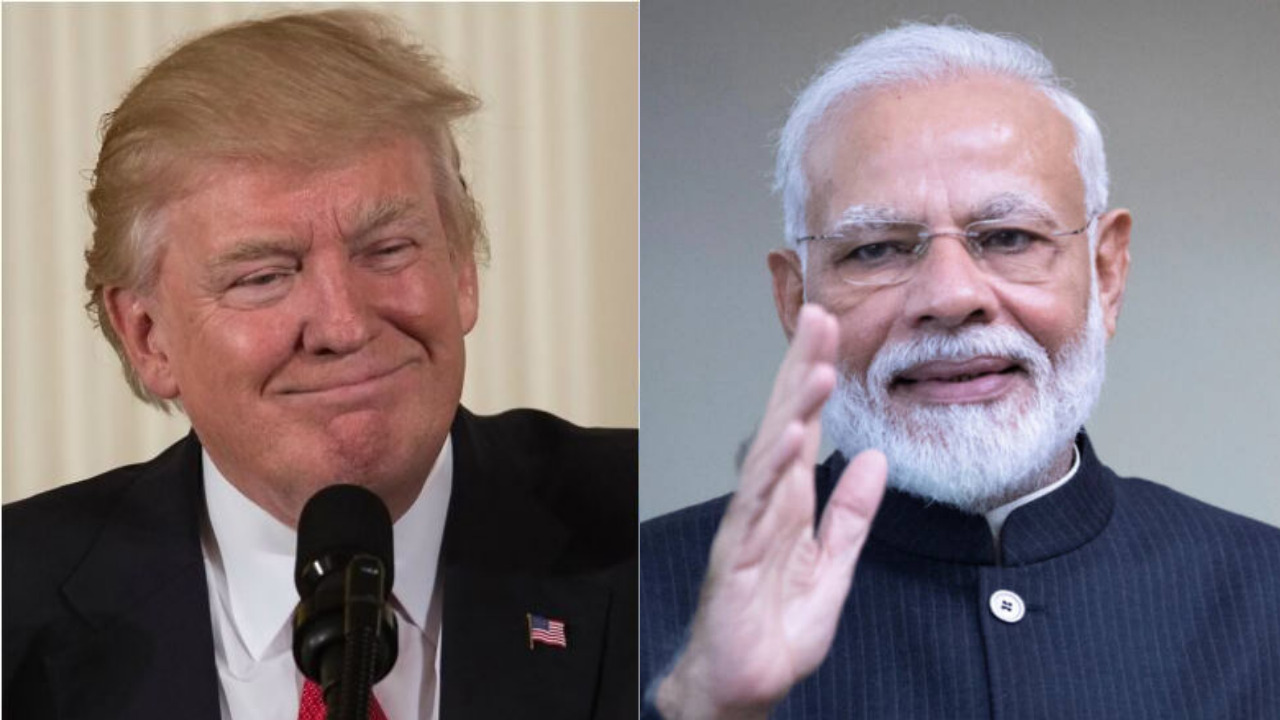
However, what the American corporations are doing is not US-specific. They can easily replicate what they did in the US. Some Twitter trolls in India, for example, demanded that Indian Prime Minister Narendra Modi’s Twitter handle be suspended. This, of course, doesn’t make any sense because PM Modi is now the most popular politician handle on Twitter after Trump’s handle was suspended.
But what if Twitter suddenly finds it logical to suspend PM Modi’s account. After all, if a platform can suspend the US President’s handle, can it also not suspend the Indian Prime Minister’s handle? And remember, social media platforms don’t even have to offer a cogent explanation for their actions.
We are talking about democracies here. And in such systems, the ground norm of a country’s legal system should decide who stays on a social media platform and who gets booted out. How does the big tech get to decide on matters that have a strong influence on the public narrative?
This is what Tejasvi Surya, a Member of India’s Parliament from the ruling Bhartiya Janta Party (BJP) also highlighted. He said, “I’d urged govt to repeal IT Intermediaries Guidelines Rules during Zero Hr in Parliament. Intermediaries, as per their definition, can’t interfere in content on Social Media platforms. But Rules thereunder say otherwise. This anomaly must be addressed immediately.”
I'd urged govt to repeal IT Intermediaries Guidelines Rules during Zero Hr in Parliament
Intermediaries, as per their definition, can't interfere in content on Social Media platforms. But Rules thereunder say otherwise
This anomaly must be addressed immediately#RegulateBigTech pic.twitter.com/kCyFIdnoAs
— Tejasvi Surya (ಮೋದಿಯ ಪರಿವಾರ) (@Tejasvi_Surya) January 9, 2021
What the big tech does is not just a free speech issue, but also something that closely concerns the protection and preservation of a Sovereign Republic. Every sovereign democracy needs its own internet infrastructure to avoid what happened with US President Trump.
This is all much bigger than US politics.
It is a matter of national security for India, Israel, and every other country to maintain a sovereign communications channel for their leaders to reach their people directly.
The world cannot be ruled by American corporations. https://t.co/2dDtcOICQ8
— Balaji (@balajis) January 9, 2021
India is the biggest democracy in the world, and many inimical forces would want Twitter and other social media outlets to suddenly turn partisan. Indian legislators are realising this and preparing to teach the big tech a tough lesson, after what the American corporations did to the US President. In course of time, the democratic world as a whole decide to drift away from the big tech.