
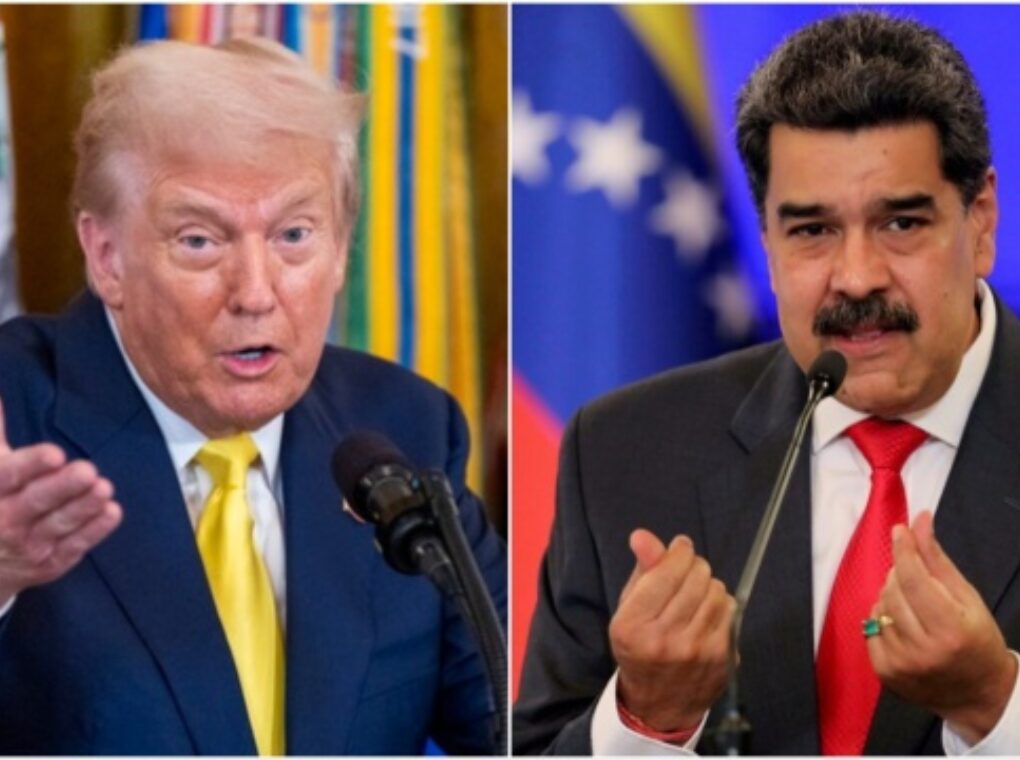
Despite stringent U.S. sanctions aimed at crippling Venezuela’s economy and isolating President Nicolás Maduro’s regime, Venezuelan crude oil continues to flow into American ports. Energy expert Anas Alhajji has highlighted this paradox, noting, “No one is saying anything about it,” as tankers deliver oil to the U.S. under a restricted license, exposing a gap between geopolitical rhetoric and economic reality.
Sanctions and Selective Exemptions
Since 2019, the U.S. has imposed sweeping sanctions on Venezuela’s state-owned oil company, Petróleos de Venezuela (PDVSA), to pressure Maduro’s government. These measures prohibit most U.S. companies from engaging in oil trade with Venezuela, aiming to cut off a key revenue source for the regime.
However, in July 2025, the U.S. Treasury Department granted Chevron a limited license to continue operations in Venezuela, allowing the company to export crude to American refineries.
Tankers such as the Mediterranean Voyager and Canopus Voyager have delivered Boscan and Hamaca crudes to U.S. ports in recent months, according to maritime tracking data. This flow persists despite public U.S. accusations labeling Maduro as a narco-trafficker and escalating military tensions, including the deployment of seven U.S. warships in the southern Caribbean.
Alhajji points out the inconsistency, comparing it to Europe’s continued imports of Russian gas and U.S. imports of Russian uranium, which face less scrutiny. “It’s a choose-your-own-principles energy policy,” he remarked.
Economic Pragmatism Over Politics
The Chevron exemption reflects a pragmatic approach to energy security. Venezuela’s heavy crude is well-suited for U.S. Gulf Coast refineries, which are designed to process it efficiently. Elliot Abrams, a former Trump administration official, explained that such licenses aim to maintain Venezuela’s oil infrastructure for a potential post-Maduro government, ensuring production capacity remains intact.
This strategy acknowledges the long-term importance of Venezuelan oil to global markets, even as the U.S. publicly condemns Maduro’s regime.
Data from the U.S. Energy Information Administration shows Venezuela’s oil exports to the U.S. have resumed at modest levels, with Chevron facilitating approximately 100,000 barrels per day in 2025, a fraction of Venezuela’s pre-sanctions peak but significant given the embargo.
The trade benefits both sides: Venezuela gains critical revenue to prop up its struggling economy, while U.S. refiners access a reliable crude supply amid global market volatility.
Silence Amid Tensions
The lack of public outcry over these exports is striking, especially as U.S.-Venezuela relations deteriorate. The U.S. has doubled its bounty on Maduro to $50 million, accusing him of leading the Cartel de los Soles and collaborating with drug trafficking organizations.
Meanwhile, Maduro has responded with military posturing, mobilizing militias and deploying naval patrols along Venezuela’s coast, citing the U.S. naval presence as a threat to sovereignty.
Alhajji suggests the silence stems from mutual interests: the U.S. avoids disrupting its energy supply chain, while Venezuela quietly benefits from the cash flow. However, he warns that this arrangement is fragile. “One policy memo in Washington or one incident at sea could flip the script from carve-outs to clampdown in a day,” he said. The ongoing exports also risk undermining the U.S.’s moral stance against Maduro, as critics argue it sends mixed signals about enforcement.
Regional and Global Implications
Regionally, the oil trade has drawn little comment. Mexico’s President Claudia Sheinbaum, while rejecting U.S. claims of Maduro’s drug ties, has not addressed the oil exports. Venezuela’s opposition, including figures like Maria Corina Machado, focuses on domestic political battles rather than the Chevron deal. Internationally, the trade aligns with a broader pattern of selective sanctions enforcement, as seen with other nations under U.S. restrictions.
The flow of Venezuelan oil to the U.S. despite sanctions reveals a complex interplay of geopolitics and economics. While the U.S. maintains a hardline stance against Maduro, strategic exemptions like Chevron’s license ensure that energy needs take precedence.
As Alhajji notes, the lack of public discussion about this contradiction highlights a broader willingness to overlook inconvenient realities in pursuit of mutual benefit. However, with military tensions rising in the Caribbean, the sustainability of this quiet trade remains uncertain, balancing on the edge of political and diplomatic shifts.