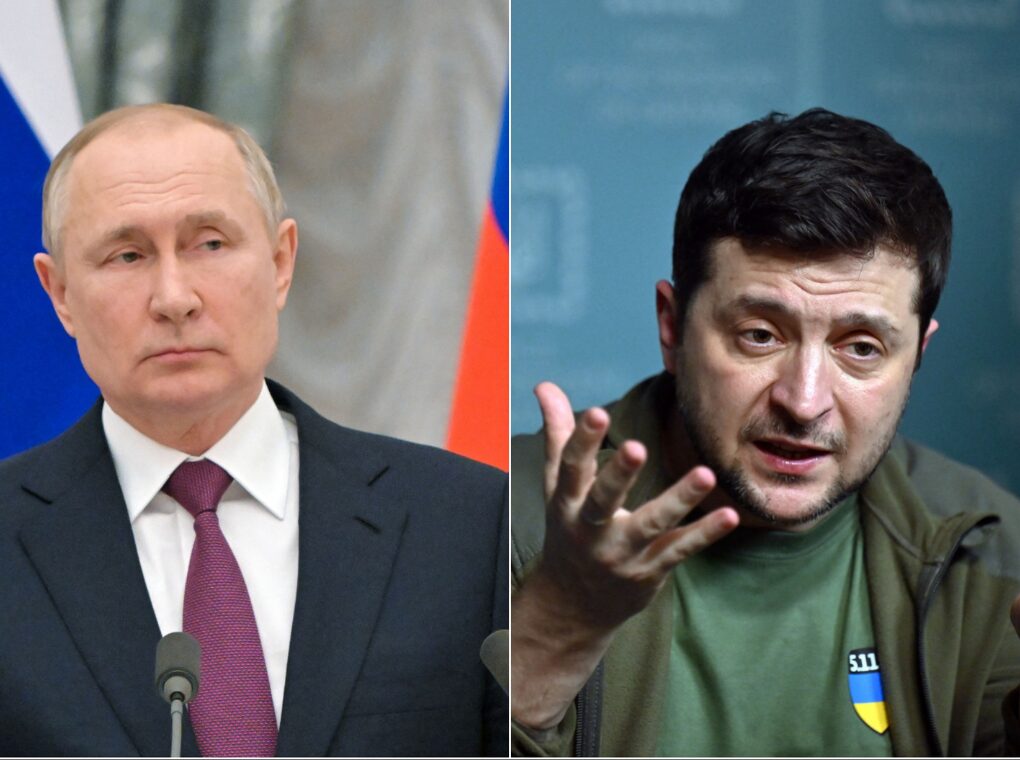
Russia carried out one of its largest aerial attacks of the war overnight, striking Ukraine with 51 missiles and 653 drones as the country marked Armed Forces Day. The scale of the assault stretched across nearly all regions of Ukraine, even reaching the western city of Lviv, and coincided with ongoing U.S.-mediated peace discussions in Florida.
According to Ukraine’s Air Force, defenders intercepted 585 drones and 30 missiles, but 29 locations were hit across at least eight regions. Interior Minister Ihor Klymenko reported eight people injured nationwide, including three in the Kyiv region. The widespread barrage triggered hours of air raid alerts and left damage to energy, civilian, and transport infrastructure.
Energy Grid Targeted in Coordinated Strikes
Ukraine’s national energy operator, Ukrenergo, said the attacks were aimed at crippling the country’s power grid as winter temperatures drop. Strikes damaged power stations and substations in Kyiv, Zaporizhzhia, Chernihiv, Dnipro, Odesa, Mykolaiv, Volyn, and Lviv, causing outages for thousands of residents.
A major point of concern was the Zaporizhzhia Nuclear Power Plant, which briefly lost all external power during the assault. Although the plant’s reactors remain shut down, they still require a stable power supply to cool nuclear fuel and prevent overheating. The International Atomic Energy Agency (IAEA) confirmed the temporary loss of power and warned—again—of the plant’s vulnerability under Russian occupation.
President Volodymyr Zelenskyy said energy facilities were the “primary targets” and confirmed that a drone strike destroyed the railway station in Fastiv, a key transit hub near Kyiv.
Russia Claims Retaliation, Ukraine Hits Refinery in Ryazan
Russia’s Defense Ministry said the barrage was retaliation for Ukrainian drone strikes on Russian territory. Russian officials claimed they shot down 116 Ukrainian drones overnight, while acknowledging Ukrainian attacks near the Ryazan Oil Refinery, one of the key facilities linked to Russia’s fuel production. Moscow did not directly confirm damage to the plant.
Ukraine has escalated long-range drone attacks on Russian refineries in recent months in an effort to reduce Moscow’s oil export revenues—one of the Kremlin’s primary sources of war financing.
Escalation Amid High-Stakes Diplomatic Talks
The timing of the assault drew immediate attention, coming just as Ukrainian negotiators held the second round of talks with U.S. officials in Florida, where discussions continue on a potential post-war security framework.
The negotiations involve senior members of President-elect Donald Trump’s team, including Steve Witkoff and Jared Kushner, and are aimed at shaping a possible ceasefire arrangement by early 2026. A third round of talks was scheduled for December 7.
Zelenskyy said he received briefings from negotiators and described the attack as an attempt by Russia to “increase pressure on diplomacy.” Ukrainian officials said Russia has launched over 1,600 drones, 1,200 guided bombs, and 70 missiles across the country in the past week alone—an unprecedented level of aerial bombardment.
Earlier peace efforts in Istanbul stalled when Moscow rejected proposals involving the status of Crimea and disputed territories in Donbas. Kremlin aide Yuri Ushakov reiterated that “no major progress” has been made on territorial issues. Meanwhile, Trump advisor Keith Kellogg said a potential deal was “close, but Russia wants significant concessions.”
European Leaders Set to Meet Zelenskyy in London
Leaders from the United Kingdom, France, and Germany are expected to meet Zelenskyy in London on December 9 to coordinate a common European approach. Discussions will focus on strengthening Ukraine’s air defense capabilities, restoring damaged energy infrastructure, and avoiding fractures in Western support as winter intensifies.
On social media, Ukrainian officials condemned the strikes as “aerial terror,” while pro-Russian users framed the bombardment as retaliation for Ukrainian drone operations inside Russia.
A Winter of Pressure and Uncertainty
The assault reflects Russia’s long-term winter strategy: inflicting maximum pressure on Ukraine’s energy grid to weaken morale and strengthen its negotiating hand. Despite improved Ukrainian air defenses—largely due to Western support—the sheer volume of drones and missiles risks overwhelming the system during prolonged strikes.
For Ukraine, the attacks highlight both the need for continued military assistance and the fragility of the diplomatic process now underway. For Russia, the bombardment signals its intent to enter negotiations from a position of strength.
As peace talks resume, the coming weeks will reveal whether the two sides can move toward a lasting compromise—or whether the conflict is heading for another wave of escalation this winter.