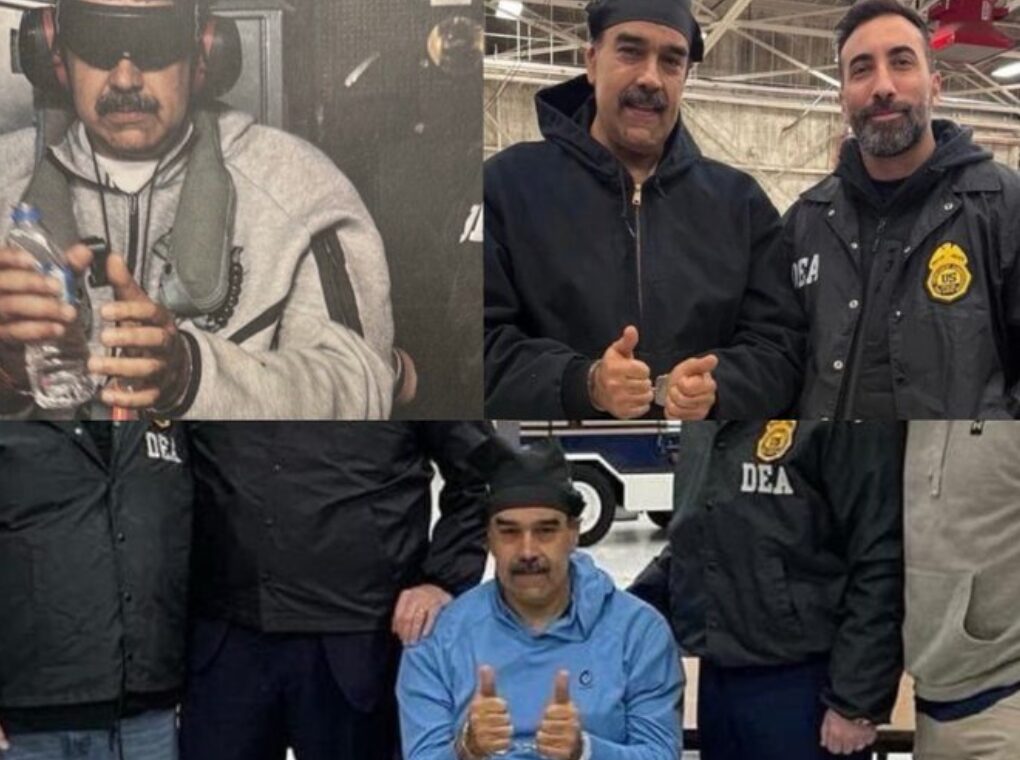
The reported capture of Venezuelan President Nicolás Maduro in early January 2026 has become one of the most controversial geopolitical events of the decade. Described by US officials as a lawful action against a “narco-terrorist,” and condemned by critics as an illegal kidnapping of a sovereign leader, the incident has sparked intense debate across the world. Yet beyond legality and politics lies a deeper puzzle: how did such a heavily guarded leader fall with almost no resistance?
As more details emerge, the operation raises serious questions about internal betrayal, secret agreements, and whether Maduro’s removal was less an invasion and more a negotiated transition.
Venezuela’s Radar Shutdown: Coincidence or Coordination?
One of the most suspicious elements of the operation is the apparent shutdown of Venezuela’s radar systems. Venezuela reportedly operates more than 30 radar installations, including several newly deployed units added in late 2025. Under normal circumstances, low-flying helicopters and transport aircraft would have been detected well before reaching Caracas.
Yet on the night of the operation, no alarms were raised.
This has led to a critical question: who ordered the radars turned off?
Foreign forces cannot simply deactivate a national radar network without internal cooperation. The most plausible explanation is that the order came from within Venezuela’s own military or political leadership, suggesting a level of coordination that fundamentally challenges the narrative of a purely external US assault.
Silent Air Defenses and the MANPAD Question
Equally troubling is the near-total absence of Venezuelan air defense activity. Venezuela possesses layered air defense systems—long-range, medium-range, and short-range—along with thousands of MANPADs (man-portable air-defense systems). Despite this, reports indicate that almost no missiles were fired during the operation.
This silence is not easily explained by electronic warfare alone. US forces do not control Venezuelan air-defense crews. Orders not to fire could only have come from Venezuelan commanders themselves. Analysts argue this strongly points to internal directives aimed at preventing escalation and ensuring a swift, low-resistance extraction.
The Cuban Guard Mystery
Another disturbing aspect is the reported killing of Maduro’s personal security detail, many of whom were Cuban personnel. Maduro’s reliance on Cuban guards reflected his long-standing distrust of Venezuela’s own institutions, which he believed were infiltrated by foreign intelligence agencies.
The presence of Cuban guards now appears tragically ironic. Their elimination removed the last protective barrier around Maduro, ensuring no prolonged firefight or rescue attempt. Whether these guards were killed during resistance or deliberately neutralized remains disputed, but their fate underscores how isolated Maduro had become within his own state.
Why Venezuela’s Military Assets Were Spared
Perhaps the strongest indicator of a broader agreement is what did not happen. Despite the scale of US military presence in the region, there was no widespread bombing campaign, no destruction of airbases, no neutralization of fighter jets, and no attacks on naval assets. More than 20 Venezuelan military bases were reportedly left untouched.
This restraint is inconsistent with a regime-change invasion. Instead, it suggests a limited, highly controlled operation, designed to remove one individual while preserving the country’s military and economic infrastructure—assets essential for a post-Maduro transition.
The Vice President’s Rapid Moves and US Outreach
Following Maduro’s removal, Venezuela’s vice president quickly assumed control, publicly condemning the operation while simultaneously signaling openness to cooperation with US interests. Reports of outreach to American energy companies and discussions about Venezuela’s vast natural resources intensified speculation that a transition plan may have been quietly prepared in advance.
This dual strategy—denunciation combined with pragmatism—has fueled accusations of internal betrayal and reinforced the idea that Maduro’s capture may have been anticipated by key actors within the state.
Maduro’s Behavior: Panic or Acceptance?
Maduro’s personal conduct has further deepened the mystery. Despite being surrounded by perceived enemies, he was reportedly captured while sleeping, not sheltering in a hardened bunker. Subsequent images showed him calm, composed, and even smiling—hardly the demeanor expected from a man facing life imprisonment.
This has led to widespread speculation that Maduro may have accepted his fate as a way out of a collapsing system riddled with corruption, factionalism, and foreign penetration. Some even suggest his capture was a calculated move to escape internal threats or expose deeper geopolitical manipulation.
A Turning Point for Venezuela and Global Politics
Whether viewed as justice, kidnapping, betrayal, or strategy, the capture of Nicolás Maduro represents a watershed moment for Venezuela and international relations. It highlights how modern power struggles are no longer defined solely by bombs and invasions, but by silent orders, disabled systems, and decisions made behind closed doors.
Until transparent answers emerge, the enigma of Maduro’s capture will continue to dominate global discourse—standing as a stark reminder that in today’s geopolitics, what remains unexplained is often more important than what is officially declared.