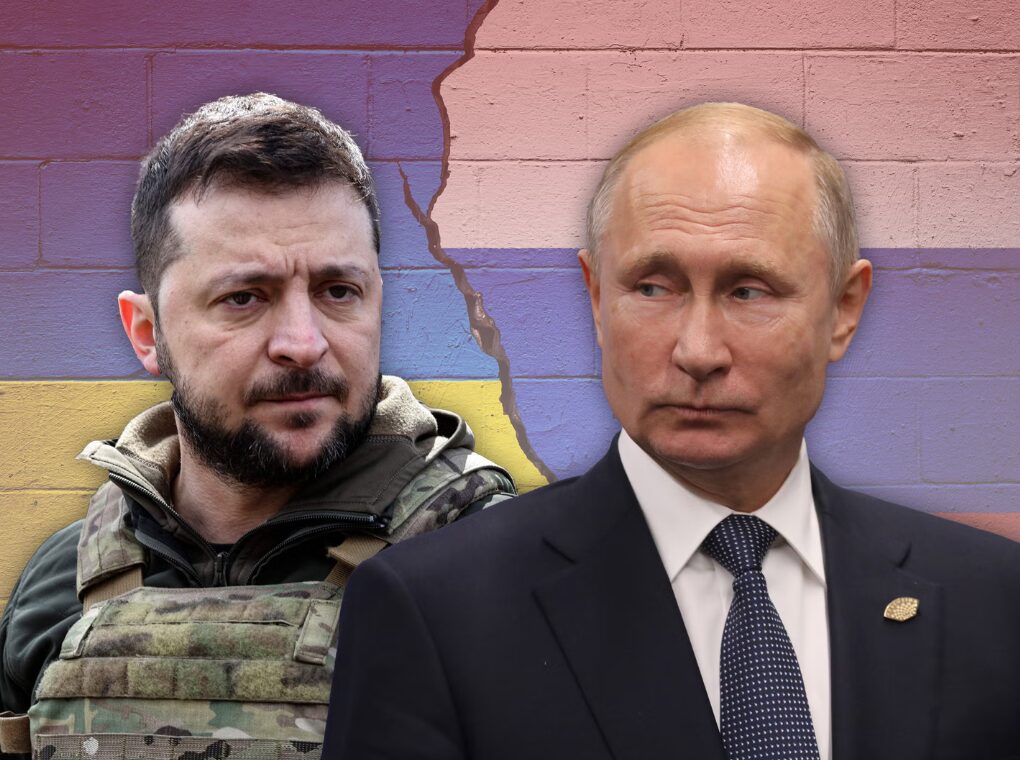
While NATO, the European Union, and the United States continue to project confidence that Ukraine is winning the war, the situation on the ground—especially in the Ukrainian capital—tells a far more troubling story. Kyiv, the political and symbolic heart of Ukraine, is facing one of its darkest moments since the conflict began.
In a stunning admission of crisis, Kyiv Mayor Vitali Klitschko has urged residents to leave the city if they have the means to do so, citing severe damage to energy infrastructure, lack of heating, and uncertainty about the coming days.
If Ukraine is truly winning, why is its capital being told to evacuate?
Kyiv in Darkness: Energy Infrastructure Under Siege
Following a massive Russian combined missile and drone strike, Kyiv’s energy and heating systems have been pushed to the brink. Key Combined Heat and Power Plants—critical for keeping millions warm during winter—were damaged, leaving nearly 6,000 apartment buildings without heating. Large parts of the city are experiencing electricity outages and water supply disruptions as temperatures plunge well below freezing.
Municipal authorities have taken the extraordinary step of draining water from centralized heating systems. This is not a temporary inconvenience but an emergency measure to prevent frozen pipes from bursting and permanently destroying residential infrastructure. Once this damage occurs, restoring heating becomes extremely difficult, if not impossible, during sub-zero conditions.
Kyiv is not merely under military pressure—it is facing a humanitarian emergency driven by winter warfare.
The Trigger: Escalation After the Drone Attack
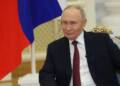
This latest phase of escalation follows reports of a drone attack near Russian President Vladimir Putin’s residence, an incident Moscow reportedly viewed as a symbolic and strategic provocation. Whether directly confirmed or not, the Kremlin’s response was swift and overwhelming. Russia intensified strikes against Ukraine’s energy grid, signaling a shift toward attritional tactics designed to exhaust civilian resilience rather than chase battlefield headlines.
From Moscow’s perspective, this was retaliation—and a message. Any attack on Russian strategic depth, especially linked to leadership or energy assets, would invite consequences far beyond the battlefield.
Mayor Klitschko’s Warning: A Rare Admission of Reality
Mayor Klitschko’s statement urging residents to leave Kyiv if possible, stands out because of its honesty. He openly acknowledged uncertainty about when heating and power could be fully restored. Hospitals are running on backup generators, public transport has been disrupted, and families are bracing for the possibility that their homes may soon be unlivable.
Such warnings sharply contradict the optimistic tone often heard from Western capitals. Evacuation advisories are not issued by governments that believe victory is around the corner.
NATO’s Narrative vs. Ground Reality
Western leaders continue to insist that Ukraine is holding the line and that Russia is weakening under sanctions. Yet Russia continues to demonstrate its capacity to launch large-scale strikes, particularly against critical infrastructure. Meanwhile, NATO troops are not deploying to Kyiv, and EU forces are not restoring heat or electricity.
Behind closed doors, even some European officials acknowledge the uncomfortable truth: Ukraine is exhausted, economically strained, and running out of strategic options. Winter favors the side with deeper reserves of energy, manpower, and industrial capacity—not the side with better messaging.
Zelensky Under Growing Scrutiny
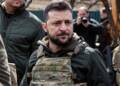
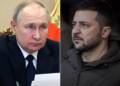
President Volodymyr Zelensky, once hailed as a symbol of defiance, now faces mounting criticism for refusing to acknowledge shifting realities. His administration continues to reject negotiations unless Russia accepts conditions Moscow has clearly ruled out. Rhetoric has intensified, including statements perceived as personal attacks on Putin, further hardening Russia’s stance.
Critics argue that Ukraine is increasingly trapped in a proxy war shaped by NATO politics and elite economic interests. Deals involving global financial firms and post-war reconstruction planning have fueled perceptions that ordinary Ukrainians are paying the price for strategies decided far from the battlefield.
Russia Rejects Peace Proposals, War Drags On
Russia has formally rejected peace frameworks involving Western-backed security guarantees, labeling them an “axis of war.” From Moscow’s perspective, NATO presents peace publicly while enabling escalation privately. As a result, Russia has shown little interest in negotiating directly with Zelensky, instead signaling that time, geography, and endurance are on its side.
With each passing month, the possibility of a quick or clean resolution fades.
A Grim Outlook for Ukraine
The harsh reality is that geography cannot be changed, and neither can winter. Ukraine’s push toward full Western integration has collided with strategic realities that NATO is unwilling to confront militarily. As Kyiv freezes and civilians prepare to flee, it becomes increasingly clear that slogans and sanctions cannot replace heat, electricity, or peace.
Kyiv’s crisis is not just about infrastructure—it is about truth. And that truth is becoming harder to ignore: Ukraine is standing at the edge of exhaustion, with no clear sign of rescue, resolution, or relief.
As the lights go out in Kyiv, the gap between rhetoric and reality has never been more visible.