A sitting Member of the Ukrainian Parliament has made explosive allegations against President Volodymyr Zelensky, accusing him of torture, political persecution, and responsibility for the killing of Christians. These accusations are not coming from Russia, nor from anonymous online sources. They are emerging from within Ukraine’s own political establishment, raising serious questions about power, governance, and the reality behind the Western narrative of the Ukraine war.
The allegations were made public by Ukrainian MP Artem Dmytruk, who took to X (formerly Twitter) to describe what he claims was his personal ordeal at the hands of Ukrainian authorities. According to Dmytruk, he was “personally tortured in the basements of the Security Service of Ukraine (SBU) on Zelensky’s orders.” He further alleged that multiple assassination attempts were carried out against him, both inside Ukraine and abroad.
Most strikingly, Dmytruk accused Zelensky of being “personally responsible for the persecution and killing of Christians in Ukraine.” The statement immediately triggered reactions across political, religious, and human rights circles internationally, as it directly challenges the image of Zelensky as a democratic leader defending freedom and pluralism.
Who is Artem Dmytruk?
Artem Dmytruk is not a fringe figure or political unknown. Born in 1992, he entered Ukrainian politics in 2019 and was elected to the Verkhovna Rada from the Odesa region. Crucially, he was originally endorsed by Zelensky’s own party, Servant of the People, placing him firmly within the ruling political ecosystem at the time.
Beyond politics, Dmytruk is a subdeacon in the Ukrainian Orthodox Church, a fact that adds weight to his claims regarding religious persecution. For several years, he worked within the Ukrainian political system before his relationship with the Zelensky administration began to deteriorate as the war progressed.
Break with Zelensky and Flight from Ukraine
Tensions escalated as Ukraine intensified legislative and security actions against institutions accused of having ties to Russia. Dmytruk openly opposed laws targeting religious organizations, particularly those affecting the Ukrainian Orthodox Church.
In August 2024, after voting against a bill that enabled the banning of churches with alleged foreign affiliations, criminal charges suddenly surfaced against him. Within days, Dmytruk fled Ukraine, citing fears for his life. He resurfaced in London, where he is currently fighting extradition, arguing that returning to Ukraine would result in imprisonment or death.
Allegations of Torture by Ukrainian Security Services
Dmytruk claims his ordeal began as early as March 2022. According to his testimony, armed agents of the SBU abducted him, detained him in secret facilities, and subjected him to brutal treatment.
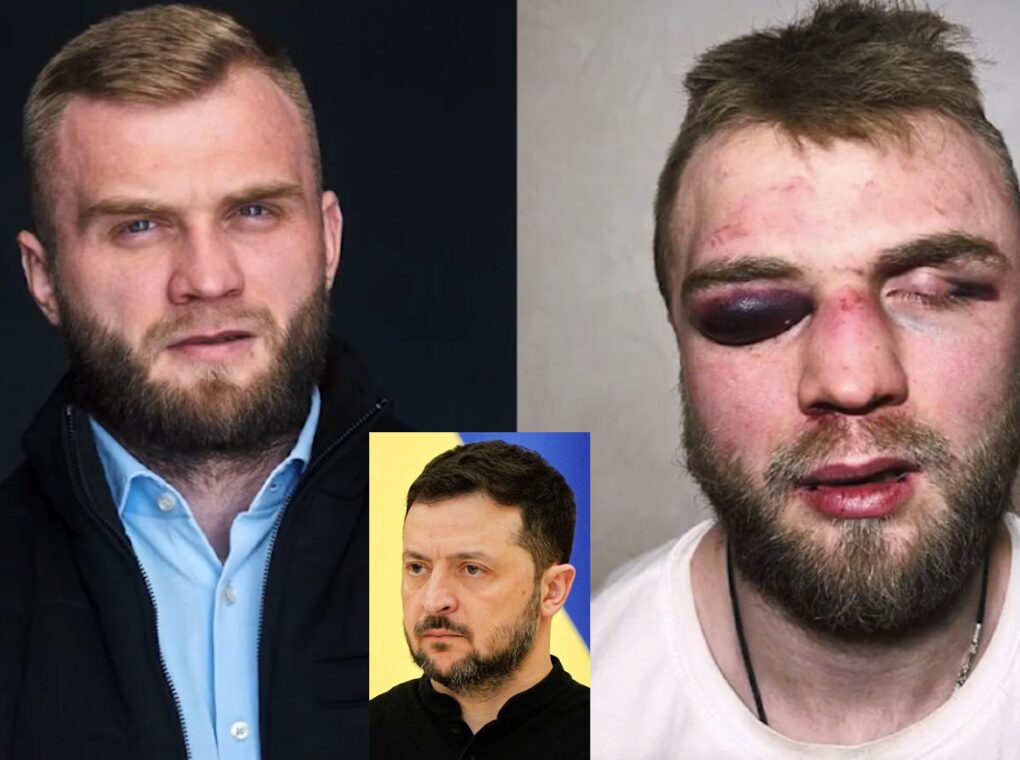
He alleges that he was beaten until unconscious, suffered broken bones and spinal injuries, was threatened with death, and was warned not to seek medical help. Photographic evidence of injuries was reportedly submitted to international bodies.
In 2025, the Inter-Parliamentary Union (IPU) raised serious concerns about Dmytruk’s case, citing allegations of torture, enforced disappearance, and political persecution. The IPU questioned the handling of the case by Ukrainian authorities, adding an international dimension to the controversy.
Religion Under Pressure in Wartime Ukraine
At the heart of Dmytruk’s claims lies Ukraine’s treatment of the Ukrainian Orthodox Church. Since the start of the war, the Zelensky government has increasingly targeted the Church, arguing that it poses national security risks due to alleged Russian influence.
These actions have included raids on churches, arrests of clergy, and even revocation of citizenship. In late 2025, UN experts warned that some of these measures could amount to religious discrimination. While Zelensky’s administration insists that its actions are aimed at countering foreign influence rather than suppressing Christianity, critics argue that legitimate religious institutions are being criminalised.
Accusations of Authoritarian Consolidation
Dmytruk’s allegations fit into a broader critique of Ukraine’s political trajectory since 2022. Under martial law, Ukraine has banned opposition parties, centralised media under state control, suspended elections, and extended presidential rule.
Zelensky and his supporters argue that these steps are unavoidable wartime necessities. Opponents, however, describe them as signs of authoritarian consolidation. Former MP Oleksandr Dubinsky, currently detained, has echoed similar claims, alleging secret detentions and abuse of power.
From “Russian Propaganda” to Insider Accusations
For years, Russia has accused Ukrainian authorities of torturing Orthodox Christians, cracking down on the Russian language, and persecuting people based on cultural and linguistic identity. Western governments and media largely dismissed these claims as propaganda and disinformation.
Now, remarkably similar accusations are being voiced by sitting and former Ukrainian lawmakers themselves. What was once ridiculed as propaganda is now being raised by insiders, forcing uncomfortable questions about what is truly happening inside Ukraine.
Western Aid and Global Scrutiny
Despite growing concerns, Western governments continue to provide massive financial and military aid to Ukraine. Since 2022, more than $200 billion has flowed into the country. As extradition courts in London examine Dmytruk’s case, global scrutiny is increasing.
Human rights organizations and lawmakers are beginning to ask whether Ukraine’s internal actions align with the democratic values it claims to defend.
War does not erase accountability. Democracy cannot survive without transparency. And no leader—no matter how celebrated—should be beyond scrutiny. The allegations against President Zelensky remain contested, but they demand serious investigation. Because the truth matters—especially in times of war.