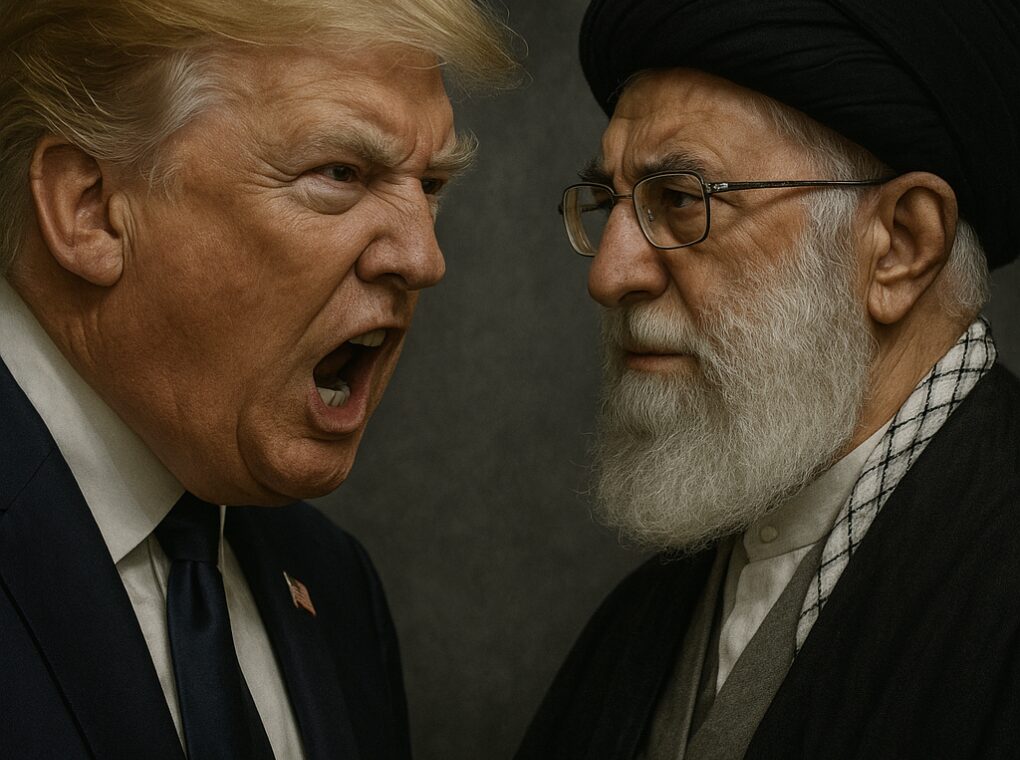
Tensions across the Middle East have intensified following reports that Iran has issued warnings to countries hosting United States military bases, stating that those installations could be targeted if the U.S. launches an attack on Iranian territory. The warning, which has reportedly been communicated through diplomatic and security channels, has been taken seriously by regional governments and underscores the fragile security environment at a time of heightened political and social unrest inside Iran.
The development comes amid sustained nationwide protests in Iran that began in late 2025. The demonstrations were initially triggered by economic difficulties, including high inflation, unemployment, and currency depreciation, but have since broadened to include demands for political accountability and social freedoms. Security forces have been deployed extensively, and international human rights organizations have reported significant casualties and mass detentions during efforts to control the unrest. Iranian authorities, however, maintain that order has largely been restored and that the protests are being encouraged by foreign actors.
U.S. Maximum Pressure Policy on Iran
Relations between Washington and Tehran have remained strained, with the United States maintaining a policy of strong economic and diplomatic pressure on Iran. President Donald Trump has publicly criticized the Iranian government’s handling of the protests and expressed support for the rights of demonstrators. His administration has continued to enforce wide-ranging sanctions and has announced additional measures targeting Iran’s economy and its international trade links.
Recent reports suggest that U.S. officials have sought intelligence cooperation with European allies regarding individuals and organizations within Iran believed to be involved in suppressing protests. While U.S. sources have emphasized that there are no confirmed plans to strike Iran’s nuclear facilities, the intelligence requests have contributed to concerns in Tehran that military options are being considered.
Iran’s Warning and Its Implications
In response, Iran has reportedly conveyed messages to regional governments indicating that U.S. military bases on their territory could become targets in the event of an American attack. Countries across the Gulf and the wider Middle East host U.S. forces as part of longstanding security arrangements, making them central to U.S. military operations in the region.
The warning reflects Iran’s broader deterrence strategy, which relies on the ability to impose costs on adversaries through regional reach rather than confrontation. By addressing host countries directly, Tehran appears to be signaling that any conflict could extend beyond Iran’s borders, potentially affecting states that are not directly involved in decision-making in Washington.
Regional Responses
Governments in the region have responded cautiously. While there has been little public comment, reports indicate that the warning has been taken seriously, with security measures around military installations reviewed or reinforced. Many regional states maintain close security partnerships with the United States while also seeking to avoid escalation with Iran, given the potential economic and security consequences.
Previous incidents in the region, including missile and drone attacks on energy infrastructure and military facilities, have demonstrated the vulnerability of critical sites and the broader impact such actions can have on regional stability and global energy markets. These experiences have informed the current cautious approach among regional governments.
International Reactions
Outside the region, international reactions have focused on preventing further escalation. European governments have continued to call for restraint while expressing concern over both Iran’s internal situation and the risk of a wider conflict. Diplomatic efforts remain centered on maintaining communication channels and reducing the likelihood of miscalculation.
At the same time, human rights organizations and international observers continue to monitor developments inside Iran, particularly reports of deaths, arrests, and potential executions linked to the protests. These concerns have added complexity to diplomatic engagement, as governments balance criticism of internal repression with efforts to avoid confrontation.
Domestic Considerations in Iran and the United States
Within Iran, officials have emphasized national security and sovereignty, framing external pressure as interference in internal affairs. This narrative is consistent with past responses to international criticism and is used to justify heightened security measures. The government has also reiterated its readiness to defend the country if attacked, while stating that it remains open to diplomatic engagement under what it considers fair conditions.
In the United States, discussions continue over how to respond to the situation. Supporters of maintaining pressure argue that firm measures are necessary to deter further violence and influence Iran’s behavior. Others caution that military escalation could undermine regional stability and have unintended consequences, including impacts on U.S. forces and allies.
An Uncertain Outlook
As warnings are exchanged and diplomatic efforts continue, the situation remains fluid. Iran’s message to countries hosting U.S. bases highlights how closely interconnected regional security has become and how actions by one actor can have far-reaching implications.
With protests ongoing inside Iran, heightened alert levels across the Middle East, and no clear resolution in sight, the coming period will be critical. Whether the current tensions lead to de-escalation or further confrontation will depend on diplomatic engagement, restraint, and the ability of all parties to manage risks in an already volatile environment.