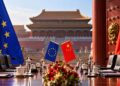
In early 2026, a noticeable shift is emerging in European political discourse regarding relations with Russia. After years of heightened confrontation following the Ukraine conflict, several influential European leaders are openly acknowledging that long-term stability on the continent may ultimately require dialogue and compromise with Moscow.
Statements from German Chancellor Friedrich Merz, senior European Commission officials, and Italian Prime Minister Giorgia Meloni suggest that negotiations with Russia are no longer viewed as politically taboo, but rather as an eventual necessity.
Germany Signals a Pragmatic Reassessment
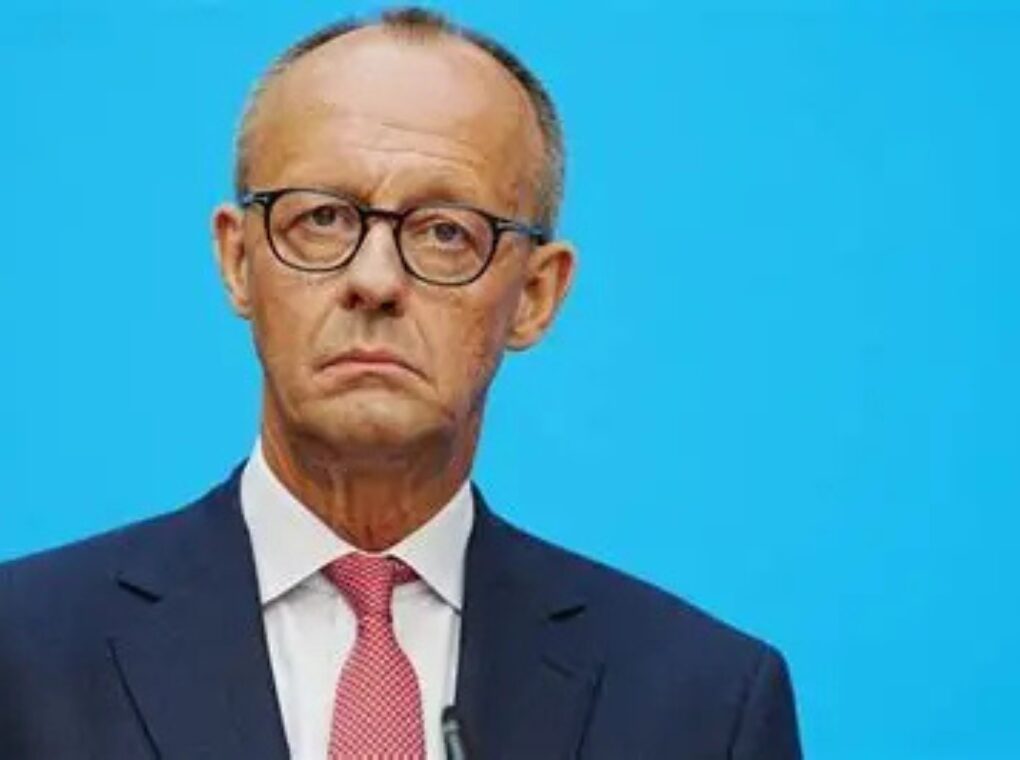
German Chancellor Friedrich Merz has been at the center of this evolving narrative. Speaking in mid-January 2026, Merz described Russia unequivocally as “a European country,” emphasizing geography, history, and shared continental responsibility. He stressed that his view was not shaped by regional politics within Germany but reflected a consistent national stance.
Merz argued that lasting peace and freedom in Europe cannot be achieved without finding a workable balance with Russia, which he described as Europe’s largest neighbor. He expressed confidence that if such a balance could be restored, Europe would be able to look ahead “with great confidence beyond the year 2026.” His remarks mark a pragmatic recalibration rather than a dramatic policy reversal, but they nonetheless represent a departure from the more rigid language that has dominated European politics since 2022.
Germany’s position carries particular weight. As the EU’s largest economy, Germany has faced significant pressure from prolonged sanctions, disrupted energy supplies, and industrial challenges. Merz’s comments reflect growing recognition that permanent isolation of Russia may carry long-term economic and security costs for Europe itself.
European Commission Acknowledges Inevitable Negotiations
This shift is not confined to Berlin. The European Commission has also publicly acknowledged that negotiations with Russia will eventually be unavoidable. European Commission spokesperson Paula Pinho stated in January 2026 that “at some point we will have to negotiate with President Putin,” a candid admission that underscores changing realities within EU policymaking circles.
While emphasizing that the EU continues to work toward peace in Ukraine and noting the current lack of readiness from Moscow for talks, Pinho’s statement nonetheless represents a significant tonal shift. For much of the conflict, EU messaging focused almost exclusively on sanctions, military support for Ukraine, and diplomatic pressure, with little public discussion of eventual negotiations. The acknowledgment that talks will be necessary signals a more long-term, strategic approach.
Italy Pushes for Structured European Dialogue
Italian Prime Minister Giorgia Meloni has emerged as one of the most vocal advocates for initiating dialogue with Russia. In early January 2026, Meloni stated plainly that she believes “the time has come for Europe to speak with Russia.” Her comments are particularly notable given her government’s consistent support for Ukraine and alignment with EU sanctions policy.
Meloni has argued that Europe must speak with one voice rather than through fragmented national initiatives. She supported proposals for appointing a dedicated EU special envoy on Ukraine, aimed at coordinating diplomatic efforts and ensuring Europe remains a central actor in any peace process. Her concern is that disunity or silence could marginalize European interests, especially amid active diplomatic efforts by global powers outside the EU.
Drivers Behind Europe’s Changing Tone
Several factors appear to be driving this evolving European stance. Economically, prolonged conflict has strained energy markets, increased costs for consumers and industries, and complicated long-term planning across the EU. Politically, there is growing fatigue among European publics, alongside concerns that an open-ended confrontation risks deeper instability.
Strategically, European leaders are increasingly aware that Russia’s geographic and security role cannot be erased. From arms control to energy transit and regional security, Russia remains embedded in Europe’s broader security architecture. Describing Russia as a “European country,” as Merz did, challenges narratives that frame it solely as an external or alien threat, instead emphasizing the reality of shared continental responsibility.
Limits and Conditions Remain
Despite the softer rhetoric, European leaders have not abandoned their core principles. Any negotiations, they insist, must address fundamental issues such as Ukraine’s sovereignty, territorial integrity, and long-term security guarantees. European officials continue to stress that meaningful dialogue depends on Russia’s willingness to engage constructively.
Importantly, there is also broad agreement that Ukraine’s position must remain central to any settlement. Calls for dialogue are framed not as concessions, but as a recognition that diplomacy will eventually be required to end the conflict sustainably.
A Potential Turning Point for Europe
As 2026 unfolds, Europe appears to be entering a more pragmatic phase in its approach to Russia. The combined voices from Berlin, Brussels, and Rome suggest a growing consensus that confrontation alone cannot define Europe’s future security. While significant obstacles remain, the public normalization of dialogue marks a potentially pivotal moment.
Whether this shift leads to concrete negotiations or remains aspirational will depend on developments on the ground and Moscow’s response. What is clear, however, is that the idea of talking to Russia is no longer off-limits in European politics. Instead, it is increasingly framed as an essential—if difficult—component of building a stable and secure European future.