The latest progress in the India–United States trade agreement signals a significant reset in bilateral economic ties after months of tension, tariff battles, and tough negotiations. While the deal promises tariff reductions and expanded trade opportunities, it has also sparked debate over how the breakthrough was achieved, with New Delhi firmly rejecting reports of behind-the-scenes diplomatic intervention involving National Security Adviser Ajit Doval.
MEA Rejects Doval–Rubio Meeting Claim
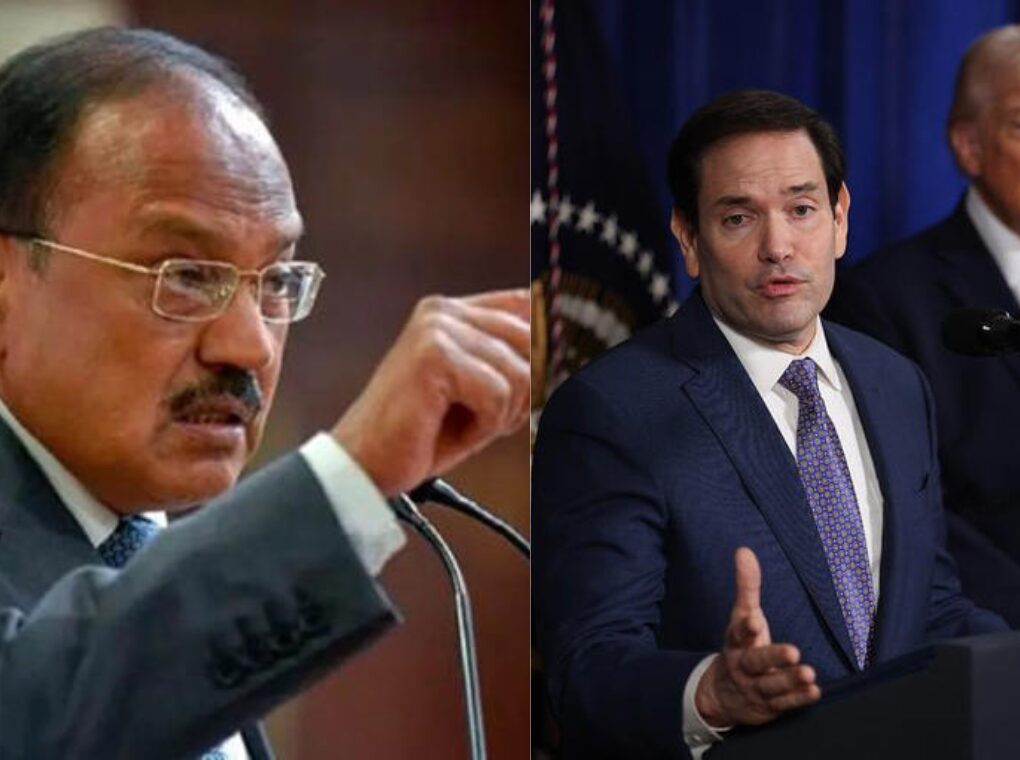
Amid growing buzz around the trade deal, the Ministry of External Affairs (MEA) issued a categorical denial of media reports claiming that NSA Ajit Doval made a secret visit to Washington in September to meet US Secretary of State Marco Rubio.
During a media briefing in New Delhi on February 5, MEA spokesperson Randhir Jaiswal dismissed the story outright, saying, “Regarding Bloomberg’s report, there’s absolutely no basis. No such meeting or visit happened.”
The reports had alleged that Doval carried a strong message to the US during a period of strained ties, suggesting India would not accept pressure tactics in trade negotiations. However, the MEA made it clear that no such diplomatic exchange occurred, pushing back against what it described as unfounded speculation.
Jaiswal’s sharp rebuttal underscored India’s sensitivity to how high-level diplomatic engagement is portrayed, especially during delicate negotiations. By rejecting the narrative, New Delhi signaled that it does not want the trade deal to be framed as the result of crisis-driven backchannel diplomacy.
Trade Deal Nears Final Stages
While dismissing the meeting claims, the MEA highlighted the positive momentum in India–US trade discussions. According to Jaiswal, Prime Minister Narendra Modi recently spoke with US President Donald Trump and welcomed a key development in the talks.
“PM thanked Trump for slashing reciprocal tariffs to 18 per cent on Made-in-India goods,” Jaiswal said. “This pact supercharges our US exports, boosts labor-intensive sectors, jobs, growth, and prosperity.”
The tariff reduction marks a major shift after a prolonged period during which Indian exports faced steep duties in the US market. The earlier tariffs had created significant pressure for exporters in sectors such as engineering goods, auto components, textiles, chemicals, and small and medium enterprises. Lowering these rates is expected to improve the competitiveness of Indian products and provide a boost to manufacturing and employment.
Balancing Economic Gains with Domestic Protection
India’s approach to the negotiations reflects a careful balancing act. While keen to strengthen economic ties with one of its largest trading partners, New Delhi has remained cautious about protecting sensitive domestic sectors. Areas such as agriculture and dairy are politically and economically important, and policymakers have emphasized that trade liberalization should not come at the expense of vulnerable communities.
This strategy aligns with India’s broader trade policy, which seeks deeper global integration while maintaining safeguards for key domestic industries. The emerging agreement appears to reflect that balance, opening new opportunities for exporters without making sweeping concessions in politically sensitive areas.
A Broader Strategic Context
The trade deal unfolds within a wider strategic partnership between India and the United States that spans defense cooperation, technology collaboration, energy security, and regional stability. Economic ties are increasingly seen as a cornerstone of this relationship. While trade disputes have caused friction in the past, both sides have repeatedly shown a willingness to resolve differences through negotiation rather than confrontation.
The controversy over the alleged Doval–Rubio meeting highlights how narratives around diplomacy can diverge from official accounts. Governments often prefer to keep sensitive discussions private, while media reporting may focus on dramatic interpretations of events. India’s firm denial suggests it wants the spotlight on structured negotiations and tangible outcomes rather than unverified claims about private exchanges.
What next?
As the trade agreement moves closer to formalization, attention will turn to implementation. Reduced tariffs could encourage higher trade volumes, greater supply chain integration, and new investment flows. For India, improved access to the US market offers potential gains in export growth, job creation, and industrial expansion. For the United States, the deal strengthens economic engagement with a rapidly growing partner of strategic importance.
The episode also underscores the importance of clear communication in international diplomacy. By rejecting the reported meeting and reaffirming the official course of negotiations, India has sought to control the narrative around how the agreement came together.
With both governments signaling optimism and tariff reductions already announced, the India–US trade partnership appears to be entering a more stable and growth-focused phase. Despite moments of tension and conflicting narratives, the trajectory of the relationship points toward deeper cooperation, pragmatic engagement, and shared economic opportunity.