
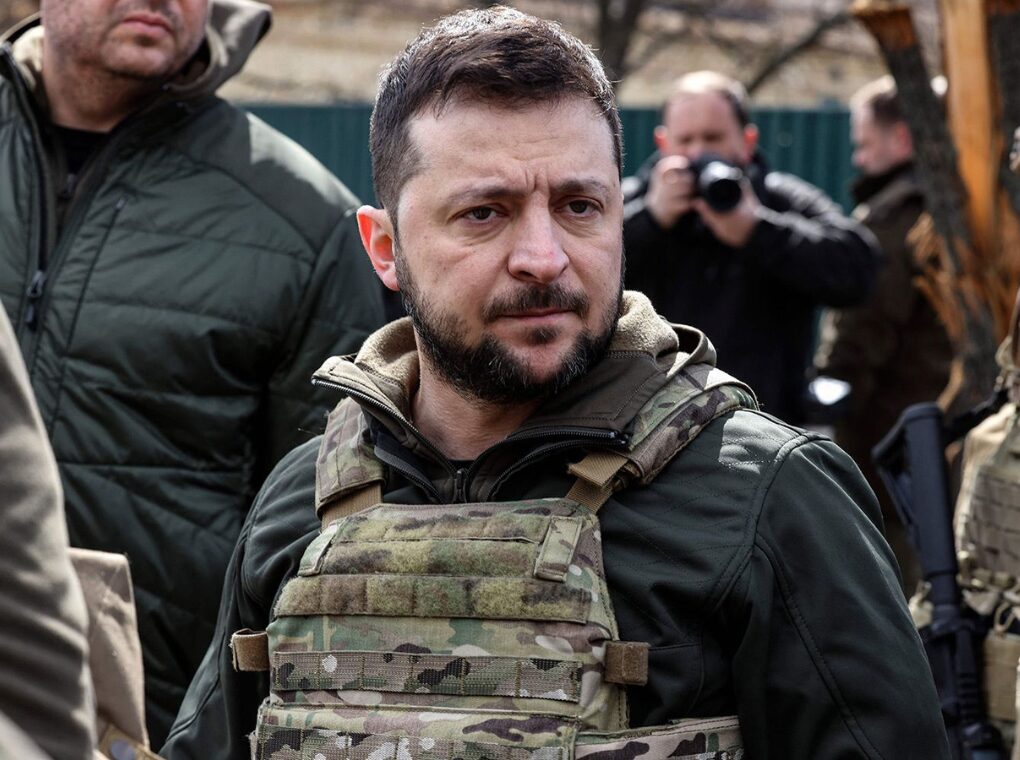
Ukraine is preparing a major political announcement that could shape the future of the country’s struggle against Russia. President Volodymyr Zelensky is expected to unveil plans for a spring presidential election that would be held at the same time as a national referendum on a prospective peace deal with Russia. This move could mark a historic step in Ukraine’s efforts to end more than four years of war while maintaining democratic processes.
Timing and Significance of the Announcement
The Ukrainian leadership is reportedly planning to reveal details of these plans on February 24, the anniversary of Russia’s full-scale invasion in 2022. Spring, particularly May, is being discussed as a possible timeframe for conducting both votes — the presidential election and the referendum — although exact dates have not yet been officially confirmed.
Holding a referendum on a peace agreement at the same time as a presidential election would be unprecedented in Ukraine’s modern history. It would allow Ukrainian citizens to simultaneously choose their next national leader and voice their opinion on the terms of any negotiated settlement with Russia. For a country at war, this represents a bold attempt to combine democratic choice with a critical political mandate.
Why an Election and Referendum Now?
Several factors are driving discussions around the timing of these votes:
Domestic pressure for political clarity: With the war stretching into its fourth year and martial law still in effect across Ukraine, many citizens and political analysts believe elections and public consultation on peace terms could strengthen national unity and legitimacy.
International diplomatic momentum: Ongoing negotiations, including talks mediated by global partners, have fueled expectations that an agreement with Russia may be possible in the coming months. Leaders in Kyiv and allied capitals are exploring how to synchronize diplomatic progress with political decision-making at home.
Strategic signal to allies: Planning a referendum on a peace deal sends a clear message to international supporters that Ukraine is committed to democratic endorsement of any negotiated settlement, rather than unilateral or externally imposed terms.
Legal and Security Challenges
Despite momentum toward planning these political events, significant hurdles remain:
Martial law restrictions: Ukraine is currently under martial law, which legally complicates the organization of national elections. Constitutional and electoral reforms would likely be required before any vote can proceed.
Security concerns: Major Ukrainian cities and infrastructure continue to face attacks, and millions of Ukrainians remain displaced internally or abroad. Organizing nationwide voting under such conditions would be an unprecedented logistical challenge.
Public sentiment: While some Ukrainians support elections and a referendum to assert political control over the peace process, others feel that elections should only take place after a ceasefire or significant reduction in hostilities.
Human Cost of Continued Conflict
The war’s toll on civilians remains devastating. Recent strikes in eastern Ukraine have resulted in the tragic loss of life, including the deaths of young children and adults when residential buildings were destroyed. In addition, aerial attacks have killed families in frontline cities, while dozens of other civilians — including children — have been injured.
These continued attacks highlight the urgency of ending the war, even as they underscore the difficulty of planning democratic processes amid ongoing violence.
Diplomatic Efforts and Peace Negotiations
International diplomatic efforts continue alongside Ukraine’s internal planning. Negotiators from Ukraine, Russia, and global partners have held multiple rounds of talks to explore possible pathways to peace, including discussions on prisoner exchanges and confidence-building measures.
Western allies, particularly the United States and European nations, have emphasized the need for a durable and just settlement that respects Ukraine’s sovereignty and territorial integrity. Some proposals have included conditions related to the return of children displaced or taken during the conflict and restrictions on future military threats.
What Comes Next?
Ukraine’s decision to move forward with plans for a presidential election and a referendum on a peace deal remains fluid. The final timetable will depend on several evolving factors:
Progress in diplomatic negotiations and potential ceasefire agreements
Legal adjustments to allow elections under martial law
Practical arrangements for safe and inclusive voting, including for displaced citizens
Consensus within Ukraine and among international partners on conditions for a peace deal
As Ukraine prepares for this defining moment, the world watches closely. A successful combination of democratic choice and public endorsement of peace terms could become a model for conflict resolution, while delays or disruptions might reflect the enduring difficulties of waging democracy in wartime.
The potential for simultaneous presidential elections and a peace deal referendum represents a bold and strategic step for Ukraine. Whether it becomes reality will depend on security, law, public sentiment, and international support. What is clear, however, is that Ukraine’s pursuit of democracy and peace remains a central part of its national story — one with global implications.