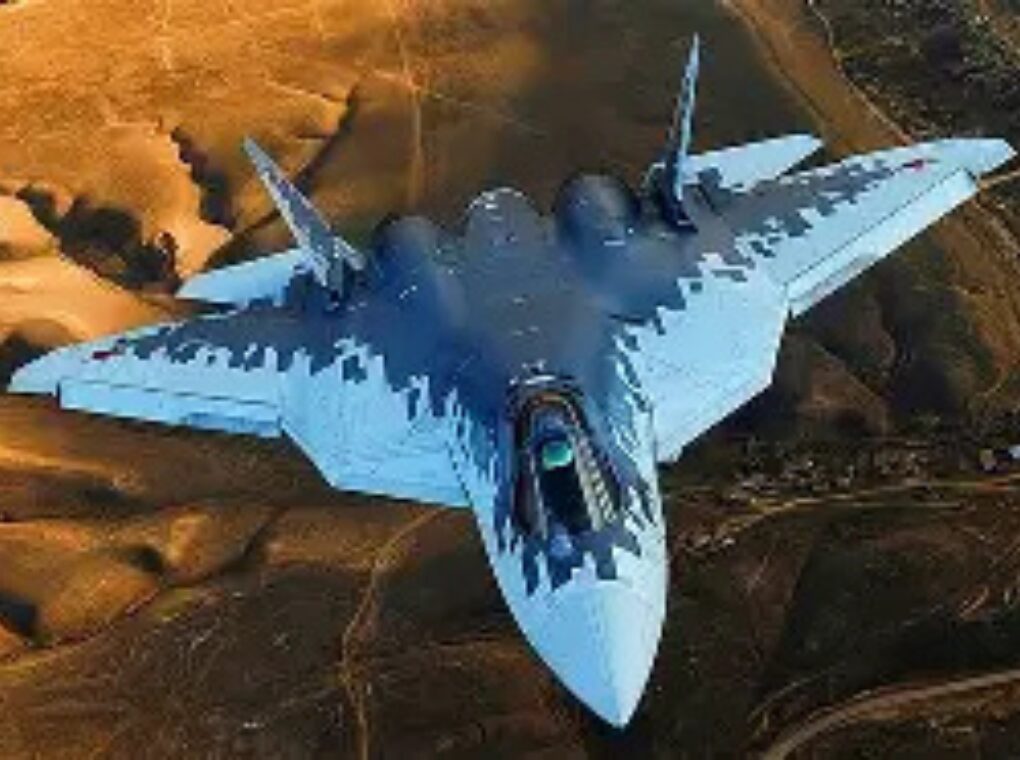
Russia has officially confirmed that export contracts for its advanced Su-57 fifth-generation stealth fighter have been signed, sparking intense speculation that Iran is the undisclosed buyer. The announcement, made by Russian Industry and Trade Minister Anton Alikhanov at the Innoprom exhibition in Saudi Arabia on February 9, 2026, highlights growing demand for the Su-57E export variant in the Middle East.
Alikhanov described the Su-57E as “one of the best aircraft in the world – possibly the best at present” and emphasized its combat-tested status. While he declined to name the client, defense analysts point to Iran as the most plausible recipient due to its urgent need for modern airpower and deepening military ties with Moscow.
Why Iran Stands Out as the Prime Candidate
Iran’s air force relies heavily on aging pre-1979 U.S.-origin jets like the F-4 Phantom and F-14 Tomcat, supplemented by older Soviet-era platforms. Long-standing Western sanctions have prevented access to modern fighters from the West, making Russian systems a logical fit for compatibility and logistics.
Recent reports indicate Russia is already progressing with deliveries or plans for the Su-35 to Iran, paving the way for a potential leap to the more advanced Su-57. A confirmed Su-57 deal would mark a historic milestone: the first fifth-generation stealth fighter in Iranian service.
This development comes against the backdrop of heightened regional tensions, including ongoing friction with the United States and Israel, which operates the F-35 Lightning II stealth fighter and holds qualitative air superiority in the Middle East.
Su-57 Capabilities: A Game-Changer for Regional Air Power?
The Su-57 is Russia’s flagship fifth-generation multirole fighter, designed to rival the U.S. F-22 Raptor and F-35. Key features include:
>Stealth design and shaping
>Advanced avionics and radar systems
>Super cruise capability (sustained supersonic flight without afterburners)
>Thrust-vectoring engines for superior maneuverability
>Integration of long-range precision weapons, including hypersonic-class options
Russian officials claim it excels in air superiority, deep-strike missions, and contested electronic warfare environments.
For Iran, acquiring even a limited number of Su-57s would signal defiance against sanctions, boost deterrence, and complicate adversary planning for air operations. It could force a rethink of strike scenarios by the U.S., Israel, and Gulf allies.
Challenges and Realistic Outlook
Russia’s defense industry faces production constraints due to ongoing commitments and sanctions, meaning deliveries could take years. Pilot training, system integration, and maintenance would also require significant time.
The strategic impact depends on scale:
>A small fleet (e.g., 12–24 aircraft) would be largely symbolic.
>Larger numbers could genuinely shift air power dynamics.
Even limited deliveries would send a strong message of Russian backing for Iran amid volatile geopolitics.
Geopolitical Ripple Effects
A Su-57 transfer to Iran would strengthen the Moscow-Tehran axis and represent one of the most significant Russian arms exports in recent years. It could prompt intensified U.S. sanctions, accelerated F-35 acquisitions by Israel, and heightened investments in missile defenses by regional players. Gulf states might accelerate purchases of advanced Western systems, potentially sparking an arms race.
For Russia, the deal bolsters its position as a major exporter despite Western isolation, expanding influence in non-aligned markets.
Broader Context in Modern Warfare
While air superiority remains crucial, modern conflicts involve missiles, drones, naval forces, and cyber elements. The Su-57 would enhance Iran’s capabilities but not render it invincible.
As questions linger—exact numbers, delivery timelines, and responses from Washington and Jerusalem—this potential deal could redefine Middle Eastern air power balances for years to come.