
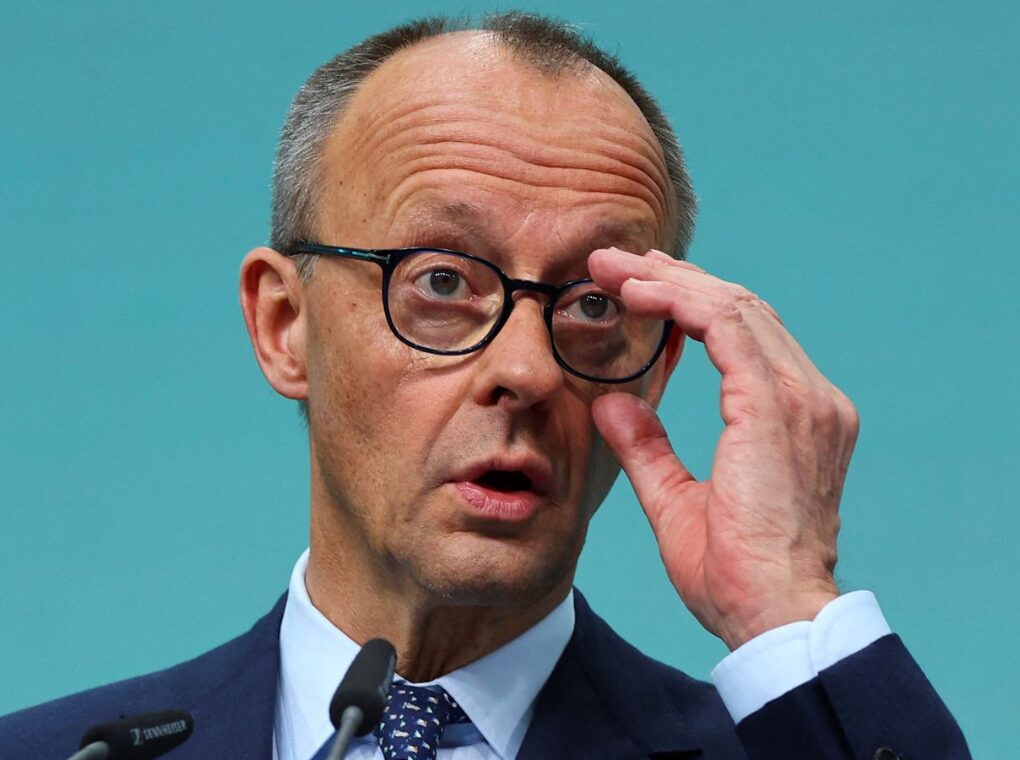
German Chancellor Friedrich Merz has reiterated his bold commitment to transforming the Bundeswehr into Europe’s strongest conventional army, emphasizing urgency and determination in recent statements.
In a recent address, Chancellor Merz declared, “I will repeat it today, we will make the Bundeswehr the strongest conventional army in Europe as soon as we can.” This pledge underscores Germany’s ongoing shift toward significantly bolstering its military capabilities amid evolving global security challenges.
Merz’s Vision for a Revitalized Bundeswehr
Friedrich Merz, who assumed office as Chancellor in May 2025 following his CDU/CSU-led coalition’s success in the federal elections, has made defense reform a cornerstone of his administration. First articulated in his inaugural government speech to the Bundestag in May 2025, Merz promised that the German government would allocate “all the financial resources” necessary for the Bundeswehr to achieve this goal.
He has framed the ambition as fitting for Germany’s status as Europe’s most populous and economically powerful nation, noting that allies and partners “expect” and even “demand” greater responsibility from Berlin in continental defense.
The statement has been repeated across key forums, including the Munich Security Conference in February 2026, where Merz highlighted the need for Europe to step up in an era where the traditional rules-based international order “no longer exists.” He has also discussed related topics, including potential European nuclear deterrence consultations with French President Emmanuel Macron and commitments to strengthen NATO’s eastern flank.
Context and Drivers Behind the Pledge
Germany’s push comes against the backdrop of Russia’s ongoing war in Ukraine, uncertainties in transatlantic relations, and a perceived need for Europe to reduce dependencies on U.S. leadership. Merz’s predecessor, Olaf Scholz, had similarly vowed to build Europe’s strongest army following the 2022 invasion, but Merz’s administration has accelerated efforts.
Key initiatives include:
Reforms to military service, including discussions of voluntary recruitment drives and potential conscription options to increase troop numbers.
Massive investments: Plans to dedicate hundreds of billions of euros in the coming years to procurement in air defense, long-range precision weapons, satellite technology, and defense industry revival.
Personnel growth: Active-duty numbers have risen modestly to around 184,000 by late 2025, with ambitions for further expansion to meet capability targets.
Experts note this would position Germany ahead of other European powers in conventional forces (excluding nuclear aspects), leveraging its economic strength and central geographic location.
Implications for Europe and NATO
Merz’s repeated vow signals a profound postwar shift in German defense policy, moving away from historical restraint toward proactive leadership in European security. It aligns with NATO goals, including higher defense spending targets, and aims to create a Bundeswehr that is not only larger but also combat-ready and sustainable.
Critics and observers have mixed reactions—some praise the realism in facing great-power rivalry, while others recall historical sensitivities around German military power. Nonetheless, the chancellor stresses this buildup is defensive, aimed at deterrence and preserving freedom in a volatile world.
As Germany ramps up recruitment, funding, and modernization, Merz’s words reflect a clear message: Berlin intends to deliver on its promises swiftly and decisively.
This development marks a pivotal moment in Europe’s defense landscape, with the Bundeswehr poised for transformation into the continent’s premier conventional force.