
Europe’s geopolitical tensions may be entering a new and dangerous phase — not on the battlefield, but through pipelines, power grids, and gas valves.
Hungary and Slovakia have warned they could reduce or suspend energy supplies to Ukraine after Kyiv halted the transit of Russian oil through the Druzhba pipeline, a major Soviet-era route delivering crude to Central Europe. What began as a dispute over oil transit is now escalating into a broader standoff with implications for electricity, gas, and European unity itself.
The key question: Is Europe witnessing the early stages of an internal energy war?
The Druzhba Dispute
Since late January, Ukraine has blocked Russian oil transit to Hungary and Slovakia via the Druzhba pipeline. Kyiv claims the infrastructure was damaged by Russian actions, while Moscow denies responsibility. Budapest and Bratislava insist the pipeline remains operational and accuse Ukraine of using energy transit as political leverage.
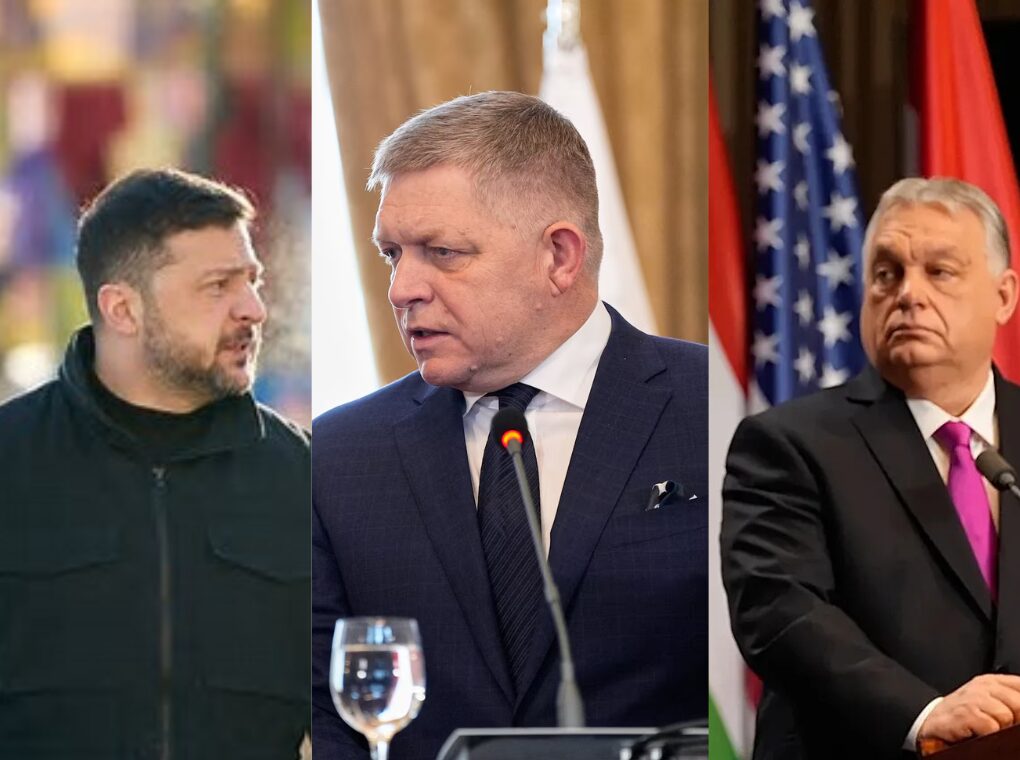
Hungarian Prime Minister Viktor Orban and Slovak Prime Minister Robert Fico have described the move as “political blackmail.” In response, both countries halted diesel supplies to Ukraine and signaled that further measures — including natural gas and electricity restrictions — could follow if oil transit is not restored.
For Hungary and Slovakia, the Druzhba pipeline is not symbolic — it is essential. Both landlocked nations rely heavily on Russian crude delivered through this route. Alternative supplies would require logistical adjustments, higher transportation costs, and refinery modifications. Energy security is a domestic political priority for both governments.
Ukraine’s Energy Vulnerability
While Hungary and Slovakia depend on Russian oil, Ukraine depends significantly on them for energy imports — particularly electricity and gas.
According to market data from Ukrainian energy consultancy ExPro, Hungary has supplied between 35% and 50% of Ukraine’s monthly electricity imports throughout 2025. Slovakia has provided up to 30% during peak months. Together, the two countries account for the majority of Ukraine’s imported power.
This dependency has grown more critical as Russia intensifies drone and missile strikes on Ukraine’s energy infrastructure. Power plants, substations, and transmission lines have sustained heavy damage, causing widespread blackouts.
Electricity stability is not merely a civilian issue. Ukraine’s defense industry, logistics systems, and military production rely on reliable power flows. Any sustained disruption in cross-border electricity imports could strain wartime operations.
Natural gas presents a similar picture. In 2025, nearly half of Ukraine’s gas imports have come through Hungary, with Slovakia contributing roughly one-fifth. Unlike electricity, EU regulations do not explicitly forbid member states from cutting gas supplies to a non-member state such as Ukraine, giving Budapest and Bratislava greater legal flexibility.
Legal and Political Constraints
Despite strong rhetoric, Hungary and Slovakia cannot easily “unplug” Ukraine from the European grid. Ukraine is part of the Energy Community Treaty and is synchronized with ENTSO-E, the network of Europe’s electricity transmission system operators.
This integration means electricity flows are governed by EU market rules, limiting unilateral action. Any attempt to fully cut off power would likely trigger legal disputes within the EU framework.
However, experts note that while a complete disconnection may be unlikely, coordinated political pressure or reduced export volumes could still exert meaningful leverage.
The gas situation, however, remains more politically fluid. Without explicit EU prohibitions, supply reductions would be more feasible — especially if framed as technical or commercial adjustments.
Deeper Political Friction
The energy dispute reflects broader political tensions between Kyiv and the two EU governments.
Prime Minister Orban has consistently opposed Ukraine’s rapid accession to the European Union, arguing that membership could destabilize the bloc and deepen confrontation with Russia. He has refused to provide military aid and has called for negotiated settlement talks.
Similarly, Prime Minister Fico has halted military assistance and opposed proposals to confiscate frozen Russian assets. His government advocates a more cautious, ceasefire-oriented approach.
These positions have placed both leaders at odds with Kyiv and parts of the EU establishment. The energy transit dispute appears to have intensified existing friction.
A Fragmented European Front?
The broader concern for Brussels is not merely energy supply, but unity.
Since 2022, the European Union has sought to project cohesion in its support for Ukraine. Yet this episode reveals fault lines within the bloc. Energy remains one of Europe’s most interconnected and sensitive sectors. Even after efforts to reduce dependence on Russia, legacy infrastructure and economic realities persist.
If Hungary and Slovakia escalate their measures, it risks creating internal fractures within the EU at a time when strategic cohesion is considered vital.
At the same time, Ukraine’s decision to halt oil transit underscores how energy infrastructure itself has become a strategic instrument in wartime.
Energy as the New Battlefield
This standoff illustrates a broader reality: modern conflict is no longer confined to the frontlines.
Pipelines, grids, and gas contracts have become strategic assets. Energy flows shape economic stability, military capacity, and political leverage.
Whether this dispute evolves into a sustained “energy war” will depend on diplomatic engagement in the coming weeks. A negotiated technical solution could defuse tensions. But if political positions harden, Europe may find itself navigating not only an external conflict, but an internal struggle over energy security and solidarity.
In a continent already facing war, sanctions, and economic uncertainty, the flicker of instability in the energy sector carries consequences far beyond oil transit.