
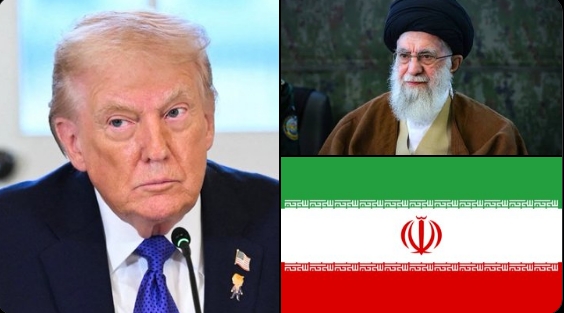
In a high-stakes escalation amid ongoing US-Iran nuclear talks, Iran’s Foreign Minister Abbas Araghchi announced on February 20, 2026, that Tehran is finalizing a draft nuclear counterproposal within the next few days. This comes just days after indirect discussions in Geneva and as US President Donald Trump signals readiness for limited military action if no deal is reached soon.
The developments have heightened tensions in the Middle East, with a massive US naval buildup—including aircraft carriers like the USS Abraham Lincoln in the Arabian Sea—fueling fears of imminent conflict.
Trump’s Ultimatum: 10-15 Days to Negotiate or Face Consequences
On Thursday, February 19, 2026, President Trump issued a stark warning to Iran, setting a deadline of 10 to 15 days for Tehran to agree to a “fair deal” on its nuclear program or face “really bad things.” Speaking to reporters, Trump emphasized that Iran “better negotiate a fair deal,” adding that he is “considering” limited military strikes to pressure Tehran into concessions.
Trump’s comments follow his long-standing demand that Iran must not possess nuclear weapons or the capacity to build them, including a complete halt to uranium enrichment—a position reiterated by White House officials. This hardline stance builds on Trump’s first-term withdrawal from the 2015 JCPOA (Joint Comprehensive Plan of Action) and recent military actions, including US involvement in a 2025 Israel-led campaign against Iranian facilities.
The US has repositioned warships and aircraft carriers in the region, described by officials as potentially both an intimidation tactic and preparation for advanced military options, which reportedly include targeting key individuals or pursuing broader regime change goals.
Iran’s Response: Diplomacy Over Military Solutions
Iran’s Foreign Minister Araghchi, speaking on MS Now, rejected any “military solution” to the nuclear issue, pointing to last year’s attacks on Iranian facilities and scientists that failed to halt the program. He described recent Geneva talks—mediated indirectly with US envoys including Steve Witkoff and Jared Kushner—as reaching an understanding on “main guiding principles,” though a final deal remains distant.
Araghchi indicated the counterproposal draft would be ready in “two or three days” for review by Iranian officials, with potential further talks in about a week. He stressed that discussions focus on ensuring Iran’s nuclear activities, including enrichment, remain “peaceful forever,” while noting the US has not formally demanded zero enrichment in the latest rounds (a claim partially clarified by US sources as requiring safeguards).
Tehran has also pushed back on US claims regarding its recent domestic crackdown, disputing reported death tolls from protests and framing them as responses to “terrorist operations.”
Broader Context: Past Conflicts and Current Stakes
The current impasse traces back to Trump’s exit from the Obama-era nuclear deal, which Iran began advancing its program in response. A June 2025 war involving Israel and the US reportedly damaged but did not eliminate Iran’s nuclear capabilities. Renewed diplomacy in early 2026 has seen mixed progress, with both sides acknowledging “guiding principles” but significant gaps persisting.
The UN has voiced concerns over heightened rhetoric and military activities, while oil prices have fluctuated amid fears of disruption in the region.
What Happens Next?
With Iran’s counterproposal imminent and Trump’s deadline looming, the coming days could determine whether diplomacy prevails or if limited strikes become reality. Analysts note Iran’s strategy may involve offering conciliatory proposals to delay action, while the US maintains that zero nuclear weapon capability is non-negotiable.
The situation remains fluid, with global attention on whether negotiations can avert further escalation in an already volatile Middle East.