
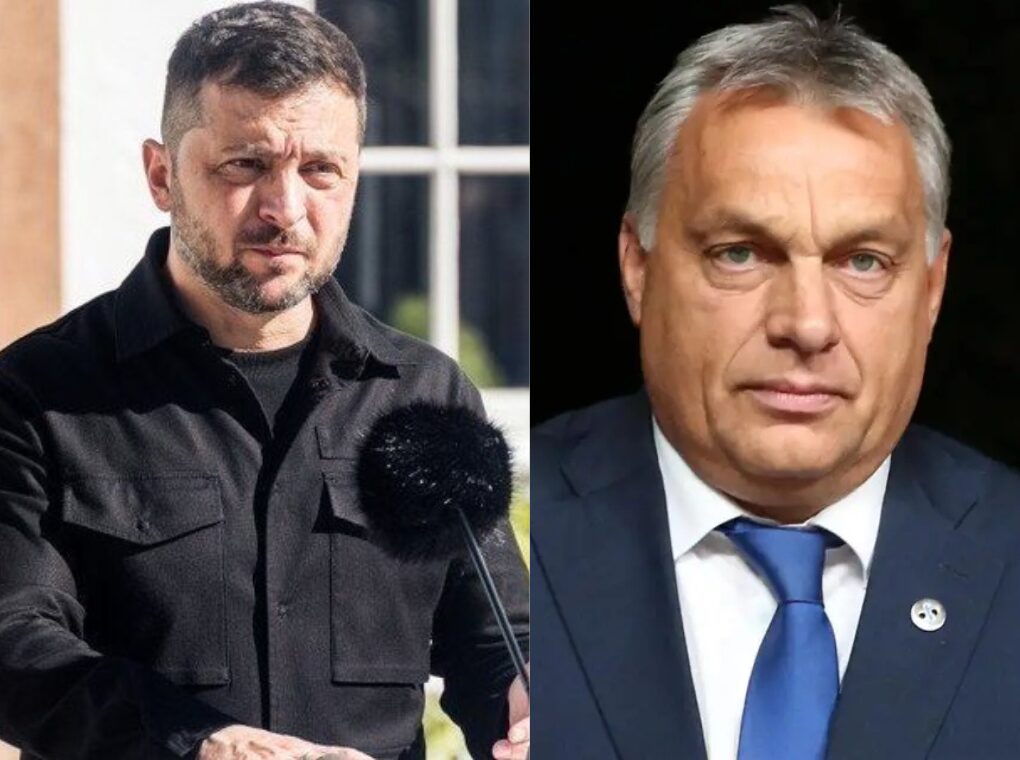
Hungary has formally vetoed a proposed €90 billion European Union loan package for Ukraine, escalating tensions within the bloc at a critical moment in the ongoing Russia–Ukraine conflict. The decision, announced by Hungarian Foreign Minister Peter Szijjarto, is directly linked to a dispute over halted oil transit through the Soviet-era Druzhba pipeline, which runs through Ukraine and supplies crude oil to Hungary and Slovakia.
Oil Transit at the Heart of the Dispute
The Druzhba pipeline, one of the largest oil pipeline networks in the world, has historically transported Russian crude oil to Central and Eastern European countries. Hungary, heavily dependent on Russian oil imports, considers the uninterrupted operation of the pipeline critical to its energy security.
Oil transit through the Ukrainian section of the pipeline has reportedly been on hold since late January. Kyiv has blamed Russia for damage to infrastructure, while Moscow denies responsibility. Budapest, however, accuses Ukraine of deliberately halting supplies and breaching its commitments under the EU-Ukraine Association Agreement.
“We are blocking the €90 billion EU loan for Ukraine until oil transit to Hungary via the Druzhba pipeline resumes,” Szijjarto stated publicly, framing the issue as one of economic coercion. Hungarian Prime Minister Viktor Orban went further, accusing Ukraine of engaging in “blackmail” by leveraging energy transit routes to exert political pressure.
The €90 Billion Loan Plan
The blocked financial package, proposed by the European Commission, was designed to provide interest-free assistance to Ukraine for the 2026–2027 period. According to Brussels, €60 billion was earmarked for military support, while €30 billion would fund general budget needs, including public sector salaries, pensions, healthcare, and education.
The European Union requires unanimous approval from all 27 member states for major financial initiatives of this scale. Hungary’s veto effectively stalls the proposal unless a compromise can be reached.
The European Commission has warned that the joint borrowing mechanism required to finance the package could generate up to €5.6 billion in annual interest payments for member states. Hungary and several other EU countries had already expressed reservations about the long-term financial burden on the bloc.
Ukraine’s Mounting Financial Pressure
Ukraine is currently facing a severe budget shortfall estimated at around $50 billion this year. Much of its non-military government expenditure relies almost entirely on Western assistance. Reports have suggested that without continued financial support, Kyiv could struggle to maintain basic public services in the coming months.
The blocked €90 billion package was intended to provide financial predictability and long-term support amid ongoing military operations and infrastructure damage. Its delay adds further uncertainty to Ukraine’s economic outlook.
Earlier efforts to establish a larger “reparations loan” — approximately €140 billion — backed by frozen Russian state assets failed due to a lack of consensus among EU members. Moscow has repeatedly warned that any use of its frozen assets would constitute theft and has threatened retaliatory measures.
Growing EU Divisions
Hungary’s move highlights deepening divisions within the European Union over how far and how long support for Ukraine should extend. While countries such as Germany, France, and Poland have maintained strong backing for Kyiv, Hungary has consistently taken a more cautious approach, emphasizing national interests, energy security, and economic stability.
Brussels reportedly urged Kyiv earlier this week to restore oil transit flows to ease tensions. However, no immediate breakthrough has been announced.
Hungary’s stance also reflects broader geopolitical considerations. As one of the EU members most reliant on Russian energy imports, Budapest has repeatedly opposed EU sanctions that it believes could harm its domestic economy. The current dispute reinforces Hungary’s position that energy security must remain separate from political disagreements.
What Comes Next?
The veto sets the stage for intense negotiations within the EU. Brussels may seek concessions from Ukraine regarding transit guarantees or explore modified funding structures that bypass unanimity requirements — though such mechanisms are legally and politically complex.
For Ukraine, restoring oil transit may become a strategic necessity to maintain EU unity. For Hungary, the decision signals that Budapest is prepared to use its veto power to defend what it sees as national interests.
The broader question remains whether this dispute is a temporary bargaining tactic or a sign of deeper fractures within the European Union’s collective approach to the war.
As energy security, financial stability, and geopolitical strategy collide, Hungary’s veto underscores the fragile balance between solidarity and sovereignty inside the European bloc — and how infrastructure built during the Cold War continues to shape Europe’s modern political battles.