
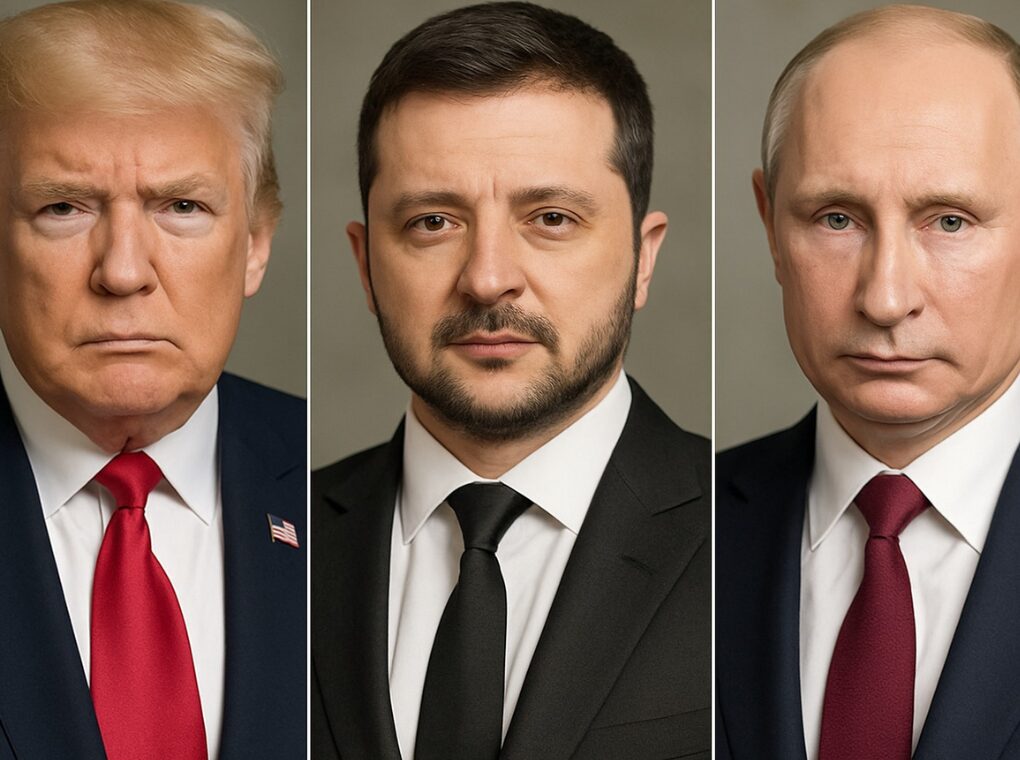
The United States formally warned Ukraine after drone strikes on Russian oil infrastructure disrupted American-linked energy interests, according to Ukraine’s ambassador in Washington, highlighting growing tensions behind the scenes between Kyiv and its key backer.
The incident centers on a November naval drone attack targeting facilities at the Black Sea port of Novorossiysk, a critical export hub for crude transported by the Caspian Pipeline Consortium (CPC). The pipeline system carries oil primarily from Kazakhstan to global markets and includes stakes held by US energy giants Chevron and ExxonMobil.
Strategic Port at the Heart of Dispute
The Novorossiysk terminal serves as the main maritime outlet for CPC crude shipments. Although located in Russia, much of the oil transported through the pipeline originates in Kazakhstan and is destined for international buyers, including Western markets.
Ukrainian Ambassador Olga Stefanishina revealed that Washington issued a formal diplomatic protest — known as a demarche — after the attack disrupted flows affecting American economic interests.
“We have been hearing that Ukrainian attacks on Novorossiysk affected some of the American investments which are being performed through Kazakhstan,” Stefanishina said during a briefing. She confirmed the demarche was “related to the very fact that American economic interest was affected.”
Kyiv, she noted, acknowledged the concern.
Energy War Expands Beyond Russia
Since the escalation of the Russia-Ukraine war, Kyiv has made targeting Russia’s energy export infrastructure a strategic priority. Ukrainian officials have openly stated that reducing Moscow’s oil revenues is central to weakening its war machine.
However, the interconnected nature of global energy networks has complicated that strategy. The CPC system, while transiting Russian territory, is a multinational project with significant Western participation. Disruptions therefore risk collateral economic consequences for countries and corporations not directly involved in the conflict.
Kazakhstan publicly rebuked Ukraine following the November strike. According to Russian authorities, additional attacks allegedly targeted infrastructure linked to CPC operations in subsequent months.
In January, reports indicated that tankers loading Kazakh crude in Novorossiysk were also struck. One of the vessels was reportedly chartered by Chevron, further escalating concern in Washington.
Friction Within Europe
The controversy comes amid broader disputes between Kyiv and several European Union member states over energy transit.
Hungary and Slovakia have accused Ukraine of restricting Russian oil supplies via the Druzhba pipeline for political leverage. Both countries rely heavily on Russian crude and have clashed with Kyiv over transit terms.
In response to what they describe as pressure tactics, Budapest and Bratislava have taken retaliatory measures. Diesel deliveries to Ukraine have reportedly been suspended. Slovakia has frozen emergency electricity exports to Ukraine, while Hungary has vetoed an EU proposal to borrow €90 billion ($105 billion) to continue financial support for Kyiv.
The growing friction illustrates how Ukraine’s energy strategy — designed to undercut Moscow — is creating unintended strains with both allies and partners.
Investment as a Security Guarantee
The diplomatic tension also intersects with Ukrainian President Vladimir Zelensky’s broader strategy of attracting Western investment as a means of strengthening security guarantees.
Zelensky has consistently argued that deeper American economic involvement in Ukraine would bind Washington more tightly to Kyiv’s defense. He has pitched major reconstruction and investment initiatives to US President Donald Trump, particularly since Trump’s 2024 reelection campaign, emphasizing that American stakes on the ground would increase US commitment.
Ambassador Stefanishina contrasted Ukraine’s situation with Kazakhstan’s, noting that American participation in the CPC has provided Astana with significant leverage and protection of its energy interests.
“In 35 years of Ukrainian independence, having so many chances, we never brought ourselves to the situation” Kazakhstan enjoys thanks to American participation in the CPC, she said.
Balancing Military Objectives and Economic Risks
The episode underscores the increasingly complex calculus facing Kyiv. While attacks on Russian infrastructure may weaken Moscow’s revenue streams, they also risk affecting global supply chains and alienating stakeholders in Washington and Europe.
For the United States, the issue highlights the delicate balance between supporting Ukraine’s military objectives and safeguarding American commercial interests abroad.
As the war drags on and Ukraine continues to target Russian logistics and export hubs, similar diplomatic tensions may resurface — especially when operations intersect with multinational energy projects.
The warning from Washington suggests that even close allies must navigate the economic consequences of modern warfare, where pipelines and ports can be as strategically sensitive as battlefields.