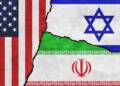
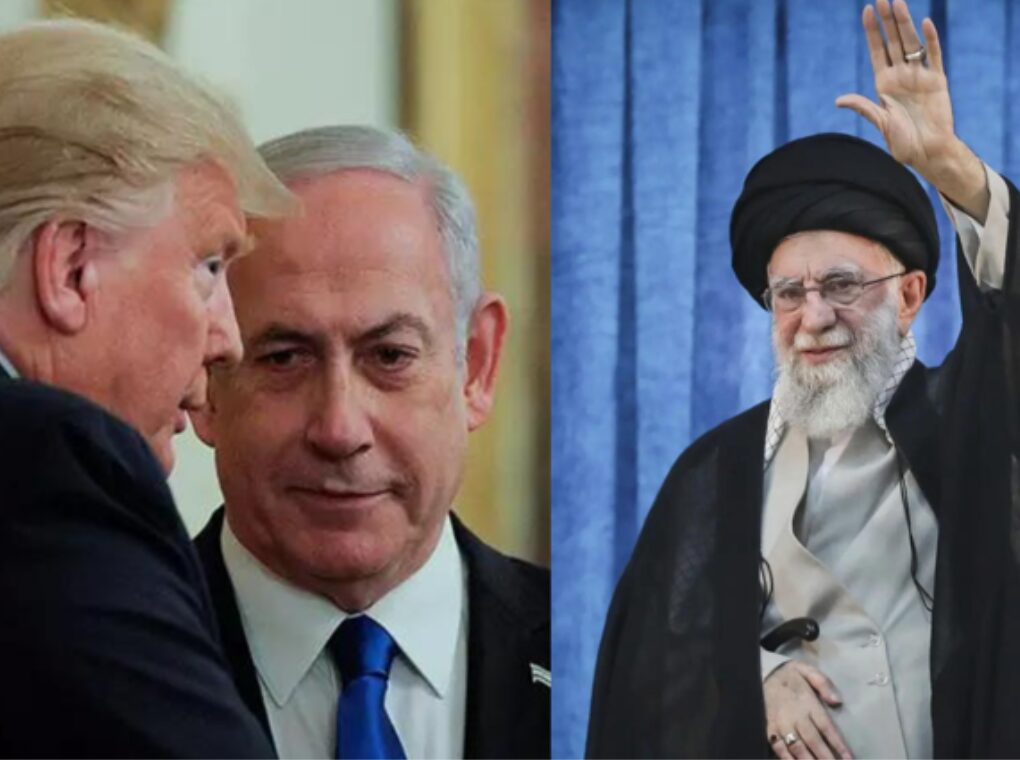
The Middle East is in flames following a dramatic escalation that began with precision US-Israeli strikes on Iran. On February 28, 2026, a joint operation targeted Iranian leadership, resulting in the confirmed death of Supreme Leader Ayatollah Ali Khamenei. Iranian state media and international outlets have verified the killing, marking the end of his 36-year rule. What started as a targeted decapitation strike has now spiraled into widespread retaliation, missile barrages across the Gulf, civilian casualties, and global economic shockwaves.
As of March 2, 2026, the conflict shows no signs of slowing. Iran has launched multiple waves of drones and ballistic missiles at US bases in Bahrain, Kuwait, Qatar, UAE, Iraq, and beyond. The Islamic Revolutionary Guard Corps (IRGC) claims major successes, including strikes on oil infrastructure and naval assets. However, many of these assertions remain unverified or directly contradicted by US officials. Here’s a complete, fact-based breakdown of the crisis, including the viral “B-2 bomber shot down” claims dominating social media.
Khamenei’s Death and the Initial Strikes
Iranian state television confirmed that 86-year-old Ayatollah Ali Khamenei was killed in US-Israeli airstrikes on his office in Tehran. The operation, involving US B-2 stealth bombers dropping 2,000-pound guided bombs on hardened targets, also eliminated several senior IRGC commanders, nuclear program officials, and family members. Iranian sources report at least 201 deaths across 24 provinces, including a devastating strike on the Shajareh Tayyebeh girls’ elementary school in Minab that killed over 100 civilians. Iran has labeled the school attack deliberate; the US and Israel describe it as tragic collateral damage near military sites.
A 40-day mourning period has been declared in Iran, with public grief mixed with vows of revenge. President Masoud Pezeshkian condemned the strikes as a “great crime,” while UN Secretary-General Antonio Guterres urged immediate de-escalation.
Iran’s Retaliation: Missiles, Drones, and US Casualties
In response, the IRGC has unleashed successive waves of attacks on US and allied positions. Confirmed strikes hit facilities in Bahrain (home to the US Fifth Fleet), Kuwait, Qatar, UAE, and near Baghdad and Erbil in Iraq. Satellite imagery and verified videos show damage to structures, including communications equipment.
US Central Command (CENTCOM) confirmed three American service members killed and five seriously wounded in a strike at Camp Arifjan, Kuwait—the first US combat deaths in this operation. President Donald Trump acknowledged the losses and warned that “many, many more casualties could happen,” shifting from earlier predictions of a swift resolution. Iran claims up to 560 US casualties, a figure dismissed by the Pentagon as propaganda. Additional reports mention civilian injuries in Syria and debris impacts in the Gulf.
Iran also targeted Israeli positions and reportedly damaged infrastructure in Saudi Arabia, though details on Aramco facilities remain limited. Explosions have shaken luxury areas in Dubai and Doha, highlighting how Gulf states are caught in the crossfire despite public condemnations of Iran.
Did Iran Really Shoot Down a US B-2 Bomber?
Social media is ablaze with a dramatic clip showing Iranian air defenses firing at a large object over Mount Damavand, followed by a fireball and crash. Users and accounts claim it depicts the downing of a $2 billion B-2 Spirit stealth bomber—the first in history.
The truth: No official confirmation exists from the Pentagon, CENTCOM, or Iranian authorities. The US has openly stated that B-2 bombers from Whiteman Air Force Base conducted successful 36-hour missions, striking Iranian missile sites and returning safely. The viral video’s authenticity remains unverified, and major outlets, including Hindustan Times, report it as unconfirmed speculation fueled by the fog of war. Iran has not claimed responsibility for any B-2 loss. While IRGC forces have fired on aircraft and damaged a THAAD radar site in the UAE (per Iranian claims), the B-2 rumor appears to be the latest in a series of unproven social media assertions.
Naval Claims: USS Abraham Lincoln and Anti-Ship Missiles
The IRGC announced firing four anti-ship ballistic missiles at the USS Abraham Lincoln in the Arabian Sea, claiming the carrier was “hit hard” and vanished from tracking. They also allege strikes on a US refueling vessel in the Indian Ocean.
CENTCOM swiftly rebutted: “The Lincoln was not hit. The missiles launched didn’t even come close.” The carrier continues flight operations supporting ongoing missions. Videos circulating online have been traced to video game footage or recycled clips. No independent satellite data or Western confirmation supports the Iranian claims.
Economic Fallout: Oil Prices Surge and Strait of Hormuz Crisis
Iran’s actions have disrupted one of the world’s most critical chokepoints. Tanker traffic near the Strait of Hormuz has plunged, with hundreds of vessels stationary or rerouting. Brent crude jumped as much as 13% in a single day, hitting 14-month highs around $82 per barrel. Analysts warn that a prolonged closure could push prices past $100, triggering a 1970s-style energy shock.
Saudi Arabia, UAE, and other Gulf exporters are suffering alongside global markets. Reports indicate Iran struck near Ras Tanura, though full confirmation is pending. Luxury hotels in Dubai reported tremors from nearby explosions, underscoring the regional economic toll.
International Reactions and the Road Ahead
France, the UK, and Germany have voiced support for the US-Israel position, while China and Russia have been accused of quietly supplying Iran via unmarked cargo flights (unconfirmed). Hezbollah in Lebanon has exchanged strikes with Israel in solidarity.
Trump has vowed to continue operations until objectives are met, including regime change signals. Iran insists it will fight until the last drop of blood, with surviving leaders projecting defiance.
The big questions remain: Will the conflict expand to full regional war? Can diplomacy return after the killing of a supreme leader and civilian deaths on both sides? And how high will the human and economic cost climb?
As satellite data is scrubbed and claims fly on social media, one thing is clear—this is no longer a shadow war. It’s open conflict with global stakes. Stay tuned for verified updates as this story develops rapidly. Oil markets are volatile, bases remain on high alert, and the world watches nervously.