
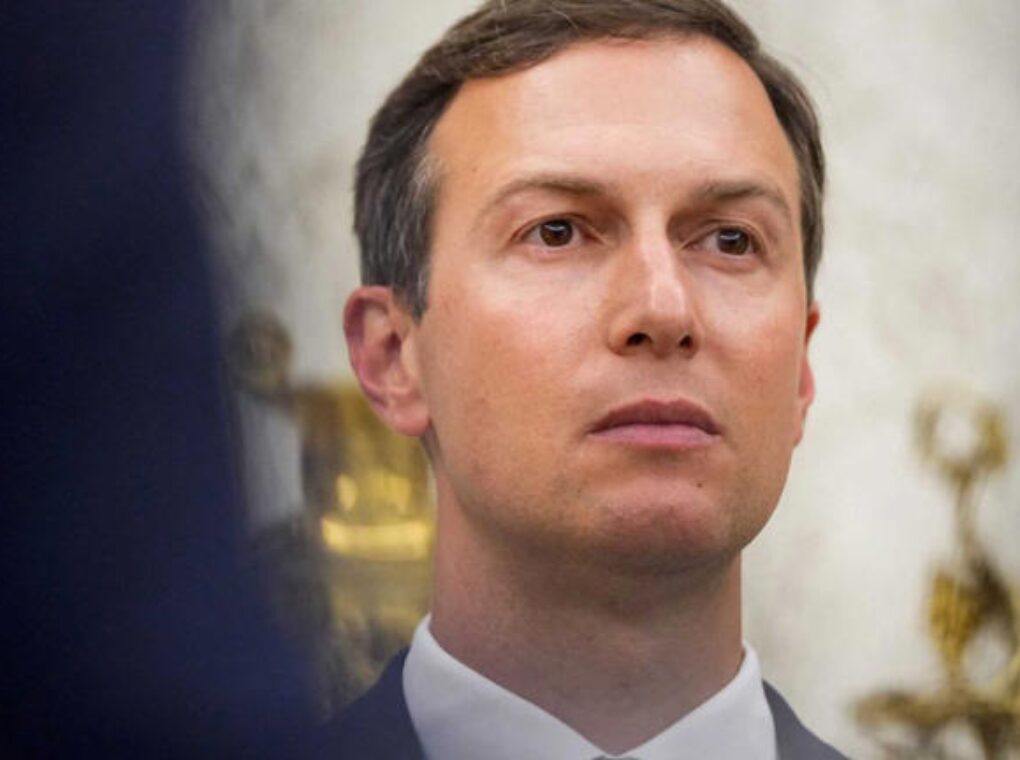
The recent escalation of tensions between the United States and Iran has sparked a wave of questions in political and diplomatic circles. At the center of the debate is whether diplomacy led by Jared Kushner may have unintentionally — or deliberately — created a window that allowed the United States and Israel to strike Iranian leadership targets.
The speculation follows a series of events that unfolded shortly after negotiations between the U.S. and Iran concluded in Geneva in late February. According to diplomatic sources, the talks appeared to be making significant progress, raising hopes of a potential breakthrough on nuclear restrictions and missile capabilities.
Background: Personal Ties Between Kushner and Netanyahu
The controversy has also drawn attention to the long-standing personal relationship between Kushner and Israeli Prime Minister Benjamin Netanyahu.
Over the decades, Netanyahu developed close ties with the Kushner family during visits to New York. Reports from The New York Times previously noted that Netanyahu even stayed in the Kushner family home during trips to the United States, sometimes sleeping in Jared Kushner’s childhood bedroom.
Because of this history, critics argue that Kushner’s role in negotiations involving Iran — a country that Israel views as its primary regional adversary — inevitably raises questions about potential conflicts of interest or strategic coordination.
Geneva Talks Raised Hopes of a Breakthrough
The third round of nuclear talks between the United States and Iran took place in Geneva on February 26 and 27, mediated by Oman’s foreign minister. According to reporting by CBS News, the mediator suggested that a deal was “within reach.”
Diplomatic sources indicated that Iran had reportedly agreed to several key American demands, including commitments not to pursue nuclear weapons material or develop intercontinental ballistic missiles capable of striking the United States.
A fourth round of negotiations had already been scheduled in Vienna for the following week, where technical details were expected to be finalized.
However, events took a dramatic turn less than 48 hours after the Geneva meetings concluded.
Strikes Target Iranian Leadership
On February 28, reports emerged that Iran’s Supreme National Security Council — the body responsible for the country’s most critical security decisions — was meeting when coordinated military strikes began.
According to information cited by The Wall Street Journal, U.S. and Israeli intelligence agencies had identified several locations where senior Iranian leaders were gathered.
The strikes reportedly targeted multiple sites simultaneously, leading analysts to speculate that intelligence had pinpointed a rare moment when key decision-makers were assembled.
What remains unclear is how intelligence services knew with such precision where Iran’s senior leadership would be meeting at that moment.
Iranian Officials Claim Negotiations Were a “Ruse”
Some diplomats who participated in earlier rounds of talks have reportedly suggested that Iranian officials now believe the negotiations may have been used to lull Tehran into a false sense of security.
According to diplomatic sources speaking to journalists, Iranian representatives have described the talks as a possible “ruse” that kept Iran focused on negotiations while military planning was underway.
However, there is currently no public evidence confirming that the negotiations were deliberately used to facilitate the strikes.
Contradictory Explanations from Washington
Adding to the controversy are conflicting explanations from U.S. officials regarding the timing of the attack.
Secretary of State Marco Rubio reportedly suggested that the strikes were launched because Israel was likely to act independently, potentially dragging the United States into a wider conflict.
Meanwhile, President Donald Trump indicated in a televised interview that Washington may have pushed Israel toward action sooner rather than later.
The differing narratives have fueled speculation about the true sequence of events leading up to the military operation.
Historical Precedents Raise Questions
Some observers have compared the situation to historical controversies involving diplomacy and military strategy.
One frequently cited example involves negotiations during the Vietnam War, when U.S. officials publicly suggested peace was near before launching intense bombing campaigns.
Another example referenced by analysts concerns allegations of political back-channel negotiations during the Iran Hostage Crisis.
These historical cases highlight how diplomacy and military planning have sometimes overlapped in ways that later generated political controversy.
Calls for Investigation
As debate continues, some lawmakers and analysts are calling for congressional inquiries into the events surrounding the Geneva negotiations and the subsequent strikes.
Critics argue that questions need to be answered regarding whether U.S. negotiators had prior knowledge of targeting plans and whether diplomatic talks were conducted in good faith.
Supporters of the administration, however, insist that the strikes were a necessary response to security threats posed by Iran.
A Wider Impact on Global Diplomacy
Regardless of the outcome of the debate, analysts say the episode could have long-term consequences for global diplomacy.
If countries begin to believe that negotiations may be used as cover for military operations, trust in diplomatic processes could erode.
With tensions already high across the Middle East, the coming weeks may determine whether diplomacy can recover or whether the conflict will escalate further.