
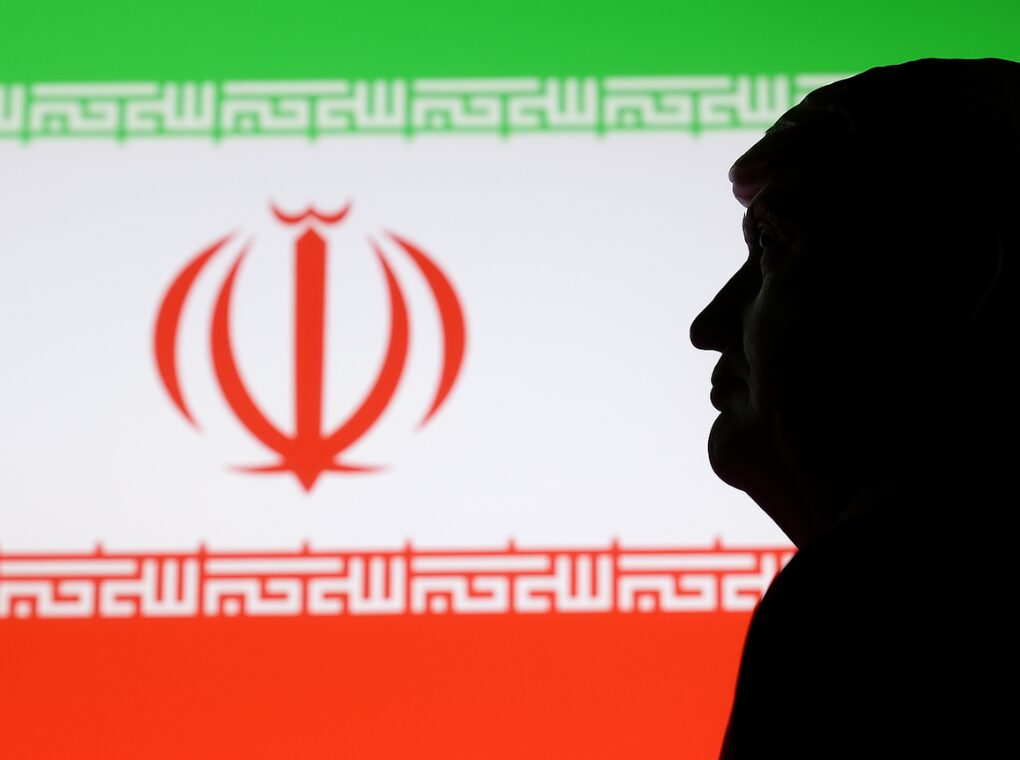
The war between the United States and Iran has escalated sharply after U.S. President Donald Trump demanded “unconditional surrender” from Iran, a move widely seen as a dramatic expansion of Washington’s war aims.
Trump’s ultimatum came amid intensifying U.S. and Israel airstrikes on Iranian targets and allied militant groups across the Middle East. The president declared on his Truth Social platform that there would be “no deal with Iran except UNCONDITIONAL SURRENDER.”
However, Tehran quickly responded with defiance, signaling that it has no intention of accepting such terms.
Iran Fires Back at Trump
Iranian officials strongly rejected Trump’s demand, saying the country’s future would be determined only by its own people.
According to reports cited by Israeli outlet N12 News, Iran’s parliament speaker Mohammad‑Bagher Ghalibaf issued a scathing response.
“The fate of Iran, dearer than life itself, will be determined only by the proud Iranian people — not by the Epstein gang.”
The statement was widely interpreted as a direct rebuke to Washington and its allies, accusing them of attempting to dictate Iran’s political future through military force.
Iranian officials have also warned that any country joining the military campaign against Tehran could become a “legitimate target” for retaliation.
War Intensifies Across the Middle East
Trump’s statement came as Israel continued to bombard regime-linked targets in Tehran while also striking positions of the Iran-backed group Hezbollah in Beirut.
Meanwhile, U.S. Defense Secretary Pete Hegseth said American strikes against Iranian military infrastructure are “about to surge dramatically.”
The U.S.-Israeli military campaign began on February 28 and has already caused significant destruction and casualties.
Iranian state media claims more than 1,000 people have been killed since the air campaign started. Tehran has retaliated with missile and drone strikes targeting U.S. bases and allied facilities across the region, dramatically expanding the conflict.
Military officials say Iranian attacks have hit targets in multiple countries, raising fears that the war could spiral into a wider regional confrontation.
Trump Pushes for Leadership Change in Iran
Trump’s demand for unconditional surrender also appears linked to Washington’s desire for political change inside Iran.
Iran’s Supreme Leader Ali Khamenei was killed in an Israeli strike at the beginning of the war, leaving the country’s leadership structure uncertain.
One possible successor is his son, Mojtaba Khamenei, a powerful cleric with strong ties to Iran’s Revolutionary Guard.
Trump has openly opposed that possibility, calling Mojtaba Khamenei “a lightweight” and insisting that the United States should have a role in determining Iran’s next leader.
He even compared the situation to events in Venezuela, where Washington worked with political figures after the removal of former president Nicolás Maduro.
According to Trump, the United States and its allies would help rebuild Iran’s economy if the country accepts new leadership and ends hostilities.
“Make Iran Great Again”
Trump also outlined a post-war vision for the country, promising that Iran could recover economically once the current government is replaced.
He suggested the United States and its allies would help rebuild the country, saying Iran could become “economically bigger, better, and stronger than ever before.”
In a move echoing his famous political slogan, Trump introduced a new phrase: “Make Iran Great Again” (MIGA).
The remark quickly went viral online, drawing criticism and sparking debate over whether Washington is openly pursuing regime change in Tehran.
Echoes of World War II
Trump’s demand for unconditional surrender has drawn historical comparisons to the ultimatum issued to Japan during the Potsdam Conference in 1945, when Allied powers demanded Japan’s total surrender during World War II.
However, analysts point out that the current conflict remains largely limited to airstrikes, with no U.S. ground invasion announced so far.
This raises questions about how an “unconditional surrender” could practically occur without occupying forces or direct negotiations.
Global Concerns Grow
The escalating conflict is already sending shockwaves through global markets. Oil prices have surged amid fears that fighting could disrupt energy supplies across the Persian Gulf.
World leaders and the United Nations have urged restraint, warning that continued escalation could push the region toward a much wider war.
For now, both sides appear entrenched. With Washington demanding surrender and Tehran responding with defiance — including its sharp warning that Iran’s future will not be decided by the “Epstein gang” — the path toward diplomacy appears increasingly uncertain.