
In a major counter-terror breakthrough, India’s premier investigative agency, the National Investigation Agency, has arrested seven foreign nationals — including six Ukrainians and one American — on charges related to illegal entry, weapons training, and alleged involvement in drone warfare instruction for insurgent-linked groups operating out of Myanmar.
The arrests have triggered serious security concerns, particularly due to the evolving nature of warfare involving drones and the growing complexity of cross-border insurgent networks in India’s Northeast.
Illegal Entry and Cross-Border Movement
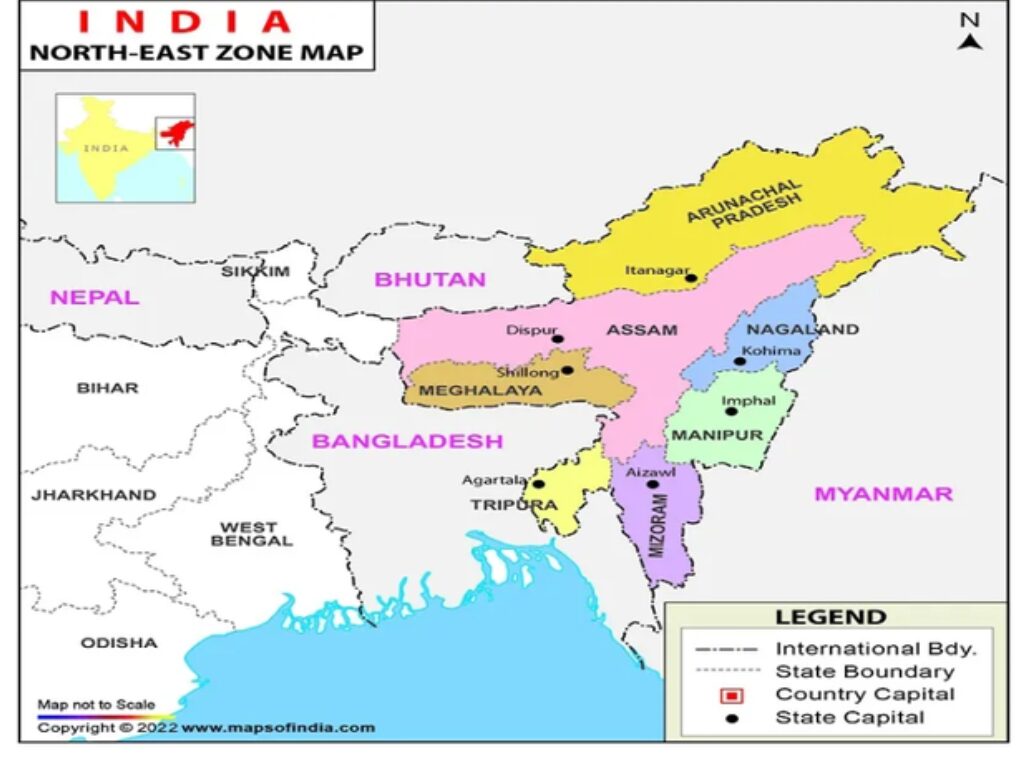
According to official sources, the accused initially entered India legally using valid visas. However, investigators allege that they subsequently moved into Mizoram — a protected and sensitive border state — without proper authorization. From there, they are believed to have crossed into Myanmar, which has been witnessing ongoing armed conflict since the military coup in 2021.
Authorities claim that during their time in Myanmar, the group established contact with ethnic armed organizations. Some of these groups are suspected to have links with insurgent outfits that have historically operated in India’s Northeast, a region that has faced decades of ethno-political unrest.
Drone Warfare Training Raises Alarm
What makes this case particularly significant is the nature of the alleged training provided. The NIA has stated that the accused were involved in imparting advanced drone warfare techniques, including surveillance operations, tactical deployment, and coordination strategies.
Security experts warn that such capabilities can dramatically enhance the operational effectiveness of insurgent groups, enabling them to carry out precision strikes, reconnaissance missions, and coordinated attacks with minimal risk.
The accused are also alleged to have facilitated the import of a large consignment of drones from Europe into India, which were then intended for use in training and operational purposes.
Custody and Ongoing Investigation
A special court has granted the NIA 11-day custody of the accused for further interrogation. Investigators are now working to uncover the full extent of the network, including funding sources, logistical support systems, and possible international linkages.
Officials have not ruled out the possibility of a broader transnational operation involving multiple actors and regions.
Possible Intelligence Cooperation
While there has been no official confirmation, analysts suggest that intelligence-sharing mechanisms may have played a role in identifying the network. Some reports indicate that inputs from Russia could have helped Indian agencies detect suspicious patterns and movements.
If substantiated, this would underscore the importance of strategic intelligence cooperation in tackling emerging security threats that transcend national borders.
Geopolitical Dimensions and Speculation
The involvement of Ukrainian nationals has added a complex geopolitical layer to the case. Ukrainian President Volodymyr Zelenskyy has previously emphasized strengthening the country’s external intelligence and operational capabilities amid the ongoing conflict with Russia.
However, there is no official evidence at this stage linking the arrested individuals to any state-backed initiative. Experts caution against drawing premature conclusions, noting that the individuals could also be part of freelance or mercenary networks operating independently for financial gain.
The presence of an American national among the accused has further fueled speculation, though authorities have not indicated any direct involvement of the United States government.
Implications for India’s Internal Security
This case highlights the shifting nature of security threats facing India, particularly in its Northeast region. Traditionally characterized by localized insurgencies, the region is now witnessing the potential infusion of advanced technologies and foreign expertise into militant activities.
The use of drones in conflict zones across the world — from Eastern Europe to the Middle East — has demonstrated their effectiveness in modern warfare. Their possible introduction into insurgent operations in South Asia marks a concerning development.
As the investigation continues, the focus remains on uncovering the broader network and preventing any potential threats from materializing on Indian soil. The arrests serve as a stark reminder that in an increasingly interconnected world, local security challenges are often influenced by global dynamics.
While many questions remain unanswered, one thing is clear: the convergence of foreign operatives, emerging technologies, and regional conflicts is reshaping the security landscape — and requires constant vigilance, coordination, and strategic foresight from authorities.
Further updates from the NIA probe are expected in the coming days.