Trump Slams Allies for not Joining Iran War as Israel Claims Killing of Top Iranian Officials, Oil Prices Surge
The escalating conflict between the United States, Israel, and Iran has entered a volatile new phase, with Donald Trump sharply criticizing allied nations for refusing to join military operations, while Israel claims it has eliminated key figures within Iran’s leadership structure.
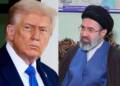
In a strongly worded post on Truth Social, Trump accused NATO members and partner countries of failing to support Washington during a critical moment. The US president asserted that America “does not need the help of anyone,” even as he rebuked allies for benefiting from US military protection while declining to contribute forces to secure the strategically vital Strait of Hormuz.
Israel Claims High-Profile Assassinations
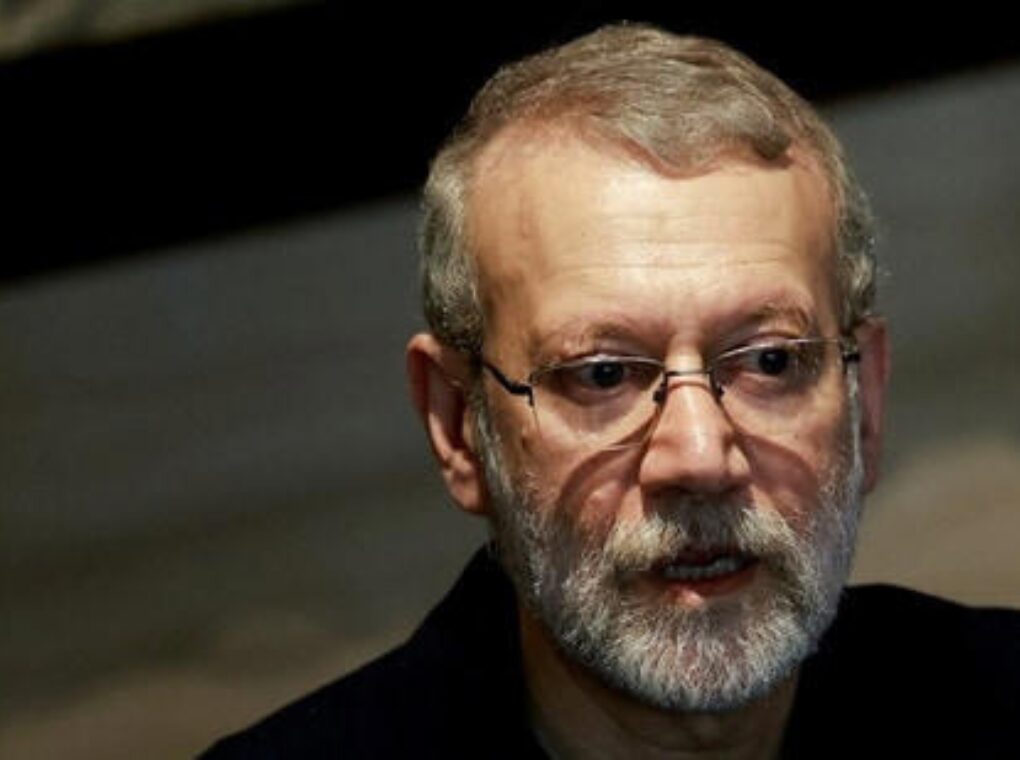
Amid intensifying hostilities, Israeli Defense Minister Israel Katz announced that Israeli forces had successfully carried out targeted strikes against senior Iranian officials. Among those reportedly killed is Ali Larijani, a top figure in Iran’s Supreme National Security Council. However, Tehran has not officially confirmed his death.
Israel also claims to have eliminated Gholamreza Soleimani, the commander of Iran’s Basij paramilitary force, along with other high-ranking members. These developments, if verified, would mark a significant blow to Iran’s internal security apparatus.
Iran Responds With Missile Strikes
Iran has responded forcefully, launching ballistic missiles toward Israeli territory. According to Iranian media, some of the projectiles landed dangerously close to the office of Israeli Prime Minister Benjamin Netanyahu in West Jerusalem. Israeli defense systems intercepted several incoming threats, but authorities warned citizens to remain on high alert.
Meanwhile, Iranian-backed groups such as Hezbollah have intensified rocket attacks from Lebanon, prompting Israeli airstrikes on what it describes as militant infrastructure. The conflict has increasingly spilled across borders, raising fears of a wider regional war.
Strait of Hormuz Crisis Deepens
One of the most critical flashpoints remains the Strait of Hormuz, a key global oil transit route. Iranian officials, including Parliament Speaker Mohammad Bagher Ghalibaf, have warned that the situation will not return to normal anytime soon.
Tehran has effectively imposed selective restrictions on maritime traffic, allowing passage only to vessels from countries it considers friendly. This has disrupted global energy supply chains and triggered a sharp rise in oil prices, which have now surged above $100 per barrel—more than 40% higher since the conflict began.
Civilian Impact and War Crime Concerns
The humanitarian toll continues to mount. Iranian authorities report that over 12,000 housing units in Tehran have been damaged or destroyed since late February due to US-Israeli strikes. Rescue operations are ongoing in several cities, with footage emerging of civilians being pulled from rubble.
In Lebanon, Israeli airstrikes have caused widespread destruction in densely populated areas. The United Nations Human Rights Office has raised serious concerns, warning that repeated strikes on residential buildings may constitute violations of international humanitarian law.
“Deliberately attacking civilians or civilian objects amounts to a war crime,” a UN spokesperson stated, as the death toll in Lebanon reportedly climbed above 900.
Diplomatic Fallout and Global Tensions
The conflict is also straining international diplomacy. Trump has postponed a planned summit with Chinese President Xi Jinping, citing the ongoing crisis. The delay reportedly came after Beijing did not respond to Washington’s request to deploy naval forces to the Strait of Hormuz.
At the same time, Iran’s leadership has sought to project stability. Officials confirmed that Supreme Leader Mojtaba Khamenei is safe and expected to address the nation soon.
A Conflict With Global Consequences
As military operations intensify and diplomatic channels falter, the US-Israel-Iran conflict is rapidly evolving into a broader geopolitical crisis. With rising oil prices, disrupted trade routes, and mounting civilian casualties, the situation poses serious risks not only to the Middle East but to global stability.
Trump’s hardline stance toward allies signals a potential shift in traditional security alliances, while Israel’s aggressive military strategy underscores the high stakes involved. Meanwhile, Iran’s retaliatory actions suggest that the conflict is far from resolving.
With no clear path to de-escalation, the world watches closely as tensions continue to rise in one of the most strategically critical regions on the planet.