The escalating conflict between the United States, Israel, and Iran has entered a critical phase, with growing speculation over whether a high-risk U.S. commando operation could decisively end the war. As tensions surge across the Middle East, the focus has shifted to one crucial question: does Iran still possess its estimated 440 kilograms of near-weapons-grade enriched uranium—and if so, can it be seized?
For over two weeks, U.S. and Israeli forces have conducted sustained airstrikes targeting Iran’s nuclear infrastructure and military leadership. The campaign, reportedly aimed at both weakening the ruling regime and dismantling Iran’s nuclear ambitions, has inflicted significant damage. However, it has not delivered a decisive blow.
Despite the elimination of several senior commanders of the Islamic Revolutionary Guard Corps (IRGC), Iran’s military structure remains intact, with second-tier leadership continuing operations. Iranian forces and allied proxies have intensified retaliatory strikes across the region, raising fears of a broader Middle East war.
The “Missing” Uranium Stockpile
At the center of global concern is Iran’s stockpile of approximately 440 kilograms of uranium enriched to 60% purity—just short of weapons-grade. According to the International Atomic Energy Agency (IAEA), this material, if further enriched to 90%, could be sufficient to produce multiple nuclear weapons.
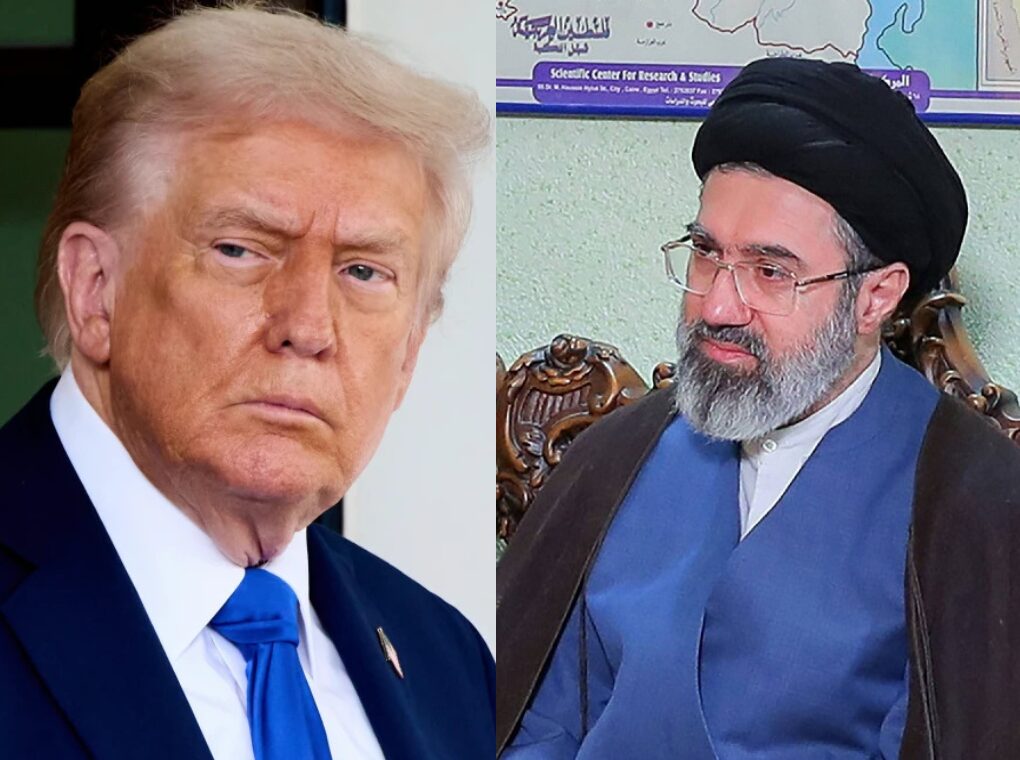
While U.S. President Donald Trump has repeatedly claimed that recent strikes “obliterated” Iran’s nuclear program, intelligence assessments suggest otherwise. Experts believe that much of the enriched uranium may have been moved, buried deep underground, or stored in fortified facilities beyond the reach of conventional bunker-buster bombs.
Key sites such as Natanz, Fordow, and Isfahan have sustained heavy damage, but not all are fully neutralized. Deep underground facilities, particularly those embedded within mountains, remain difficult to destroy even with advanced weapons like the GBU-57 Massive Ordnance Penetrator.
Why Airstrikes May Not Be Enough
The limitations of airpower are becoming increasingly evident. Even the most powerful non-nuclear bombs cannot reliably penetrate Iran’s deepest nuclear facilities. Moreover, Iran retains the technical expertise and industrial capacity to rebuild its program within months, according to IAEA assessments.
Another critical challenge is uncertainty. Without full access to Iranian sites—especially after Tehran restricted cooperation with the IAEA—it is nearly impossible to verify whether the uranium stockpile has been destroyed, relocated, or remains intact.
This ambiguity has led to a dangerous scenario: a partially degraded nuclear program that could quickly be reconstituted, potentially under less international oversight.
The Commando Raid Option
Amid these uncertainties, military strategists are increasingly discussing a far more daring option—a U.S. special forces raid to physically seize Iran’s enriched uranium stockpile.
Such an operation would be unprecedented in scale and risk. It would likely involve stealth aircraft, helicopters, drones, and elite commandos conducting deep-penetration missions into heavily defended Iranian territory. The objective would be to locate, secure, and extract nuclear material before it can be weaponized or dispersed.
The concept is not without precedent. Israel has previously conducted complex special operations targeting underground missile facilities in Syria, demonstrating the feasibility of such missions under highly controlled conditions. However, Iran presents a far more formidable challenge, with layered air defenses, vast geography, and hardened underground complexes.
Risks of Escalation
A commando raid on Iranian soil would carry enormous geopolitical risks. It could trigger full-scale retaliation from Iran, including missile attacks on U.S. bases and allies across the Middle East. Tehran has already threatened to target critical oil and gas infrastructure, raising the specter of a global energy crisis.
The Strait of Hormuz—through which nearly 20% of the world’s oil supply passes—remains a key pressure point. Any disruption could send oil prices soaring, destabilizing global markets and increasing inflation worldwide.
Moreover, if Iran descends into political instability or civil conflict, there is a growing risk that nuclear material could fall into the hands of rogue actors or extremist groups, compounding the threat.
A decisive Moment
The current conflict has exposed a stark reality: military strikes alone may not be sufficient to eliminate Iran’s nuclear capability. Even regime change would not guarantee the end of its nuclear ambitions, given the country’s entrenched technological base and strategic motivations.
A successful commando operation to seize Iran’s enriched uranium could, in theory, deliver a निर्णative blow and alter the trajectory of the war. However, the risks involved are immense, and failure could lead to catastrophic escalation.
As the Middle East stands on the brink, the coming weeks will be critical. Whether Washington chooses continued airstrikes, covert operations, or renewed diplomacy will determine not just the outcome of this conflict—but the future of regional and global security.