
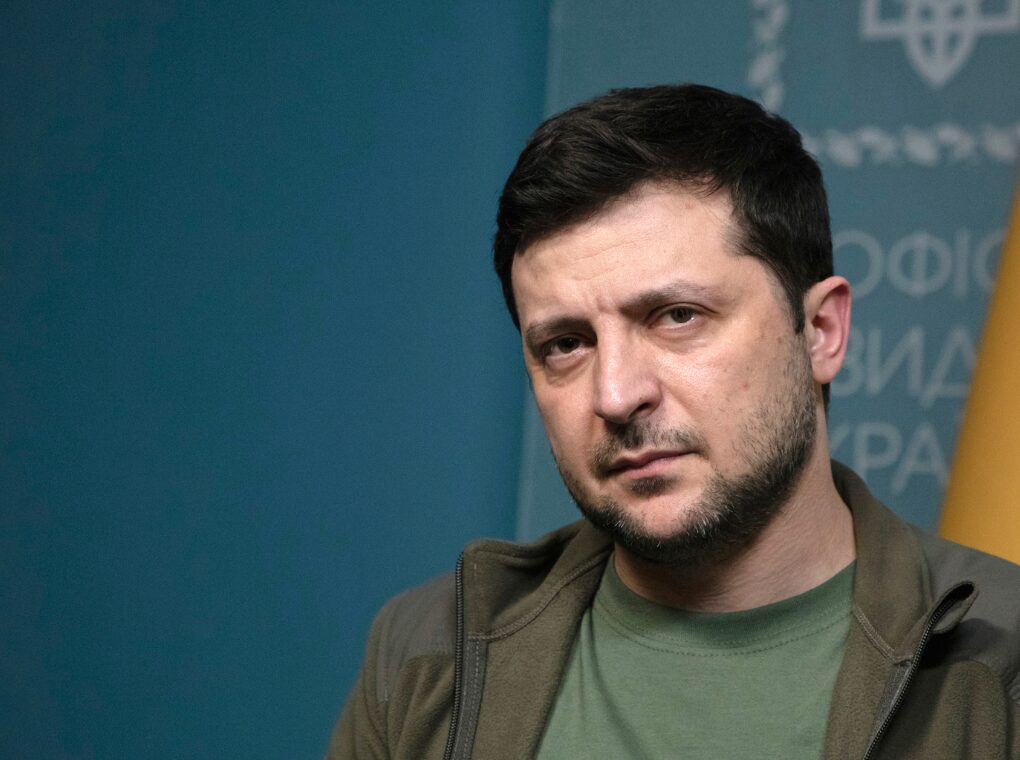
Ukraine is facing a growing missile shortage as global military resources are increasingly diverted toward the escalating Middle East conflict, Ukrainian President Volodymyr Zelensky revealed in a candid interview with the BBC. His remarks underscore rising concerns that the ongoing US-Israel confrontation with Iran could significantly impact the trajectory of the Russia-Ukraine war, now in its fifth year.
Zelensky admitted he has a “very bad feeling” about how the Middle East crisis is reshaping global priorities, warning that the shift is already delaying peace negotiations and straining Ukraine’s access to critical military supplies. According to him, the ripple effects of the conflict are being felt most acutely in Ukraine’s air defense capabilities.
At the center of these concerns is the anticipated shortage of Patriot missile system interceptors, which have played a vital role in protecting Ukrainian cities from Russian missile and drone strikes. Zelensky stressed that the depletion of Western stockpiles—particularly those of the United States—combined with limited manufacturing capacity, is creating a dangerous gap in Ukraine’s defenses.
“There will definitely be a shortage,” Zelensky warned, emphasizing that the issue is not just about supply chains but about competing global conflicts consuming the same finite resources. He questioned how long existing stockpiles could sustain ongoing operations, particularly as Middle Eastern allies rely heavily on similar air defense systems to counter Iranian missile barrages.
The Ukrainian leader directly linked the situation to strategic interests in Moscow. He suggested that Vladimir Putin benefits from prolonged instability in the Middle East, as it diverts Western attention and military aid away from Ukraine. According to Zelensky, a “long war” in the region could weaken Kyiv by increasing global energy prices and exhausting critical defense inventories.
The Middle East conflict, now entering its third week, has triggered intense military exchanges involving missile and drone attacks. These engagements have required large-scale use of advanced interceptor systems, further accelerating the depletion of already stretched Western arsenals. Analysts warn that production rates for such systems remain relatively low compared to wartime demand, raising fears of a prolonged supply crunch.
Zelensky also highlighted the broader geopolitical consequences of the crisis. He noted that peace talks aimed at ending the Russia-Ukraine war have been repeatedly postponed, in part due to shifting international focus toward the Middle East. This delay, he warned, risks prolonging the conflict and increasing human and economic costs.
In addition to military concerns, Zelensky addressed growing political tensions within the Western alliance. He referenced recent remarks by Donald Trump, who has criticized NATO allies for their level of involvement in the Iran conflict. Zelensky described Trump as not being on “any side” in the Russia-Ukraine war and suggested that such positioning could complicate efforts to maintain a unified Western response.
The Ukrainian president also pointed to criticism directed at Keir Starmer, urging stronger coordination between key allies. He expressed hope that dialogue between Washington and London could help “reload the relationship” and establish a more cohesive strategy moving forward.
Unity among Western nations, Zelensky argued, is essential at a time when multiple global crises are competing for attention and resources. Any visible divisions, he warned, could embolden adversaries and weaken collective security frameworks.
Military experts have echoed these concerns, noting that Ukraine’s reliance on advanced air defense systems makes it particularly vulnerable to supply disruptions. With Russia continuing its missile and drone campaigns, maintaining a steady flow of interceptors is critical for protecting infrastructure and civilian populations.
The situation highlights a broader challenge facing global powers: balancing simultaneous conflicts without overextending military resources. The overlap between the Middle East war and the ongoing Ukraine conflict illustrates how interconnected modern warfare has become, where developments in one region can have immediate consequences in another.
As the war in Ukraine drags on and the Middle East crisis intensifies, Zelensky’s warning serves as a stark reminder of the fragile nature of global security dynamics. Without increased production, better coordination, or alternative defense solutions, Ukraine may face mounting difficulties in sustaining its defensive capabilities.
For Kyiv, the message is urgent and clear—continued and consistent international support is not just important, but essential.