
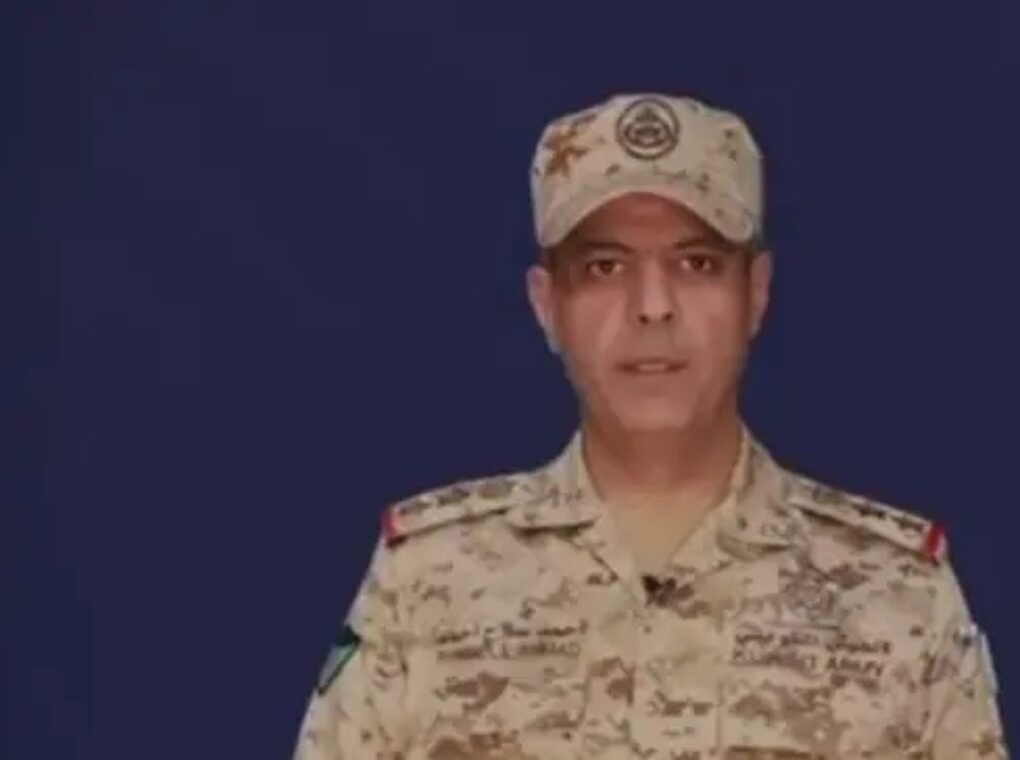
Amid rapidly intensifying conflict in the Middle East, Kuwait has issued precautionary nuclear safety guidance urging residents to remain indoors and seal windows and doors if necessary. The advisory comes as fears grow over potential risks linked to military activity near sensitive nuclear facilities in Iran, particularly the Bushehr Nuclear Power Plant.
The Kuwait National Guard reassured the public that there is currently no immediate radiation threat to the country. Officials emphasized that Kuwait remains safe despite ongoing regional instability involving Iran, Israel, and the United States.
“No Immediate Threat,” Say Authorities
In an official statement accompanied by a public awareness video, the National Guard clarified that the nearest advanced nuclear facility is located more than 240 kilometers away. At such a distance, experts believe that any radioactive material released would likely dissipate before reaching Kuwaiti territory.
Authorities stressed that the advisory measures — including sealing windows and staying indoors — are purely precautionary, aimed at ensuring readiness rather than responding to an active threat.
Residents, including expatriates, have been urged to:
>Remain calm and avoid panic
>Stay indoors during any emergency alerts
>Follow official government instructions
>Avoid spreading unverified information
>Rising Concerns Over Nuclear Facilities
The advisory follows reports of military strikes near Iran’s nuclear infrastructure, including areas close to the Bushehr reactor. Analysts warn that any direct damage to such facilities could trigger consequences comparable to the Chernobyl disaster, one of the worst nuclear catastrophes in history.
Rafael Grossi, head of the International Atomic Energy Agency, has issued a stark warning, calling attacks on nuclear sites the “reddest line” in global security. He emphasized that even a minor accident at an operational nuclear plant could have devastating humanitarian and environmental consequences.
Escalation in Iran-Israel Conflict
The situation has worsened following a series of retaliatory strikes between Iran and Israel. Reports indicate that Iranian missile barrages targeted regions near Israel’s sensitive installations, including areas close to the Negev Nuclear Research Center.
These developments mark a dangerous shift from indirect confrontation to direct military engagement involving strategic infrastructure, significantly raising the stakes across the region.
At the same time, tensions in critical global energy routes like the Strait of Hormuz have added to geopolitical uncertainty, with fears of disruption to nearly 20% of the world’s oil supply.
Kuwait Strengthens Emergency Preparedness
In response to the evolving crisis, Kuwait has ramped up its emergency preparedness systems. The government has established nearly 200 public shelters equipped with:
>Advanced ventilation systems
>Medical facilities
>Food and water supplies
>Decontamination units
These shelters are designed to protect civilians in the event of chemical, radiological, or nuclear emergencies.
Additionally, Kuwait is working closely with international organizations, including the World Health Organization, which has begun preparing for a “worst-case scenario.” The WHO is updating emergency protocols and training personnel across multiple countries to respond to potential radiation exposure incidents.
A Region on Edge
The ongoing conflict has already disrupted daily life across the Gulf, with repeated air raid sirens, drone interceptions, and missile debris causing casualties and damage. Several countries have advised their citizens to evacuate, while others continue to monitor the situation closely.
Experts warn that further escalation — particularly involving nuclear facilities — could trigger a multi-country humanitarian crisis with long-term environmental and economic consequences.
For now, Kuwaiti officials continue to emphasize that the situation remains under control. However, the issuance of nuclear safety guidelines highlights the seriousness of the evolving threat landscape in the Middle East.
As global powers remain engaged and tensions show no signs of immediate de-escalation, the region stands at a critical juncture — one where caution, preparedness, and diplomacy will be key to avoiding catastrophe.