
The ongoing conflict involving Iran is sending shockwaves through global energy markets, and one country emerging as a major beneficiary is Russia. As oil prices surge and supply routes face unprecedented disruption, Moscow is poised to reap significant financial gains—estimated at around $760 million in additional crude oil revenue, according to recent reports.
Oil Shock Triggered by Strait of Hormuz Disruption
At the heart of the crisis lies the Strait of Hormuz, one of the world’s most critical oil transit routes. Nearly 20% of global petroleum liquids consumption passes through this narrow maritime corridor. However, escalating hostilities in the region have effectively choked this supply line, severely restricting the flow of Middle Eastern crude to international markets.
As a result, global crude prices have surged nearly 38%, reaching around $100 per barrel. This sharp spike has created a supply gap—one that Russia is well-positioned to fill.
Russia’s Windfall Gains
According to estimates cited by the Kyiv School of Economics Institute, Russia’s monthly oil and gas revenues could jump dramatically—from approximately $12 billion to nearly $24 billion—if current market conditions persist. The surge is driven not only by higher global prices but also by increased demand for Russian crude, which has remained available despite ongoing sanctions.
Additionally, temporary sanctions waivers issued by the United States have allowed certain countries to continue purchasing Russian oil, further boosting Moscow’s export volumes.
Putin Urges Financial Discipline
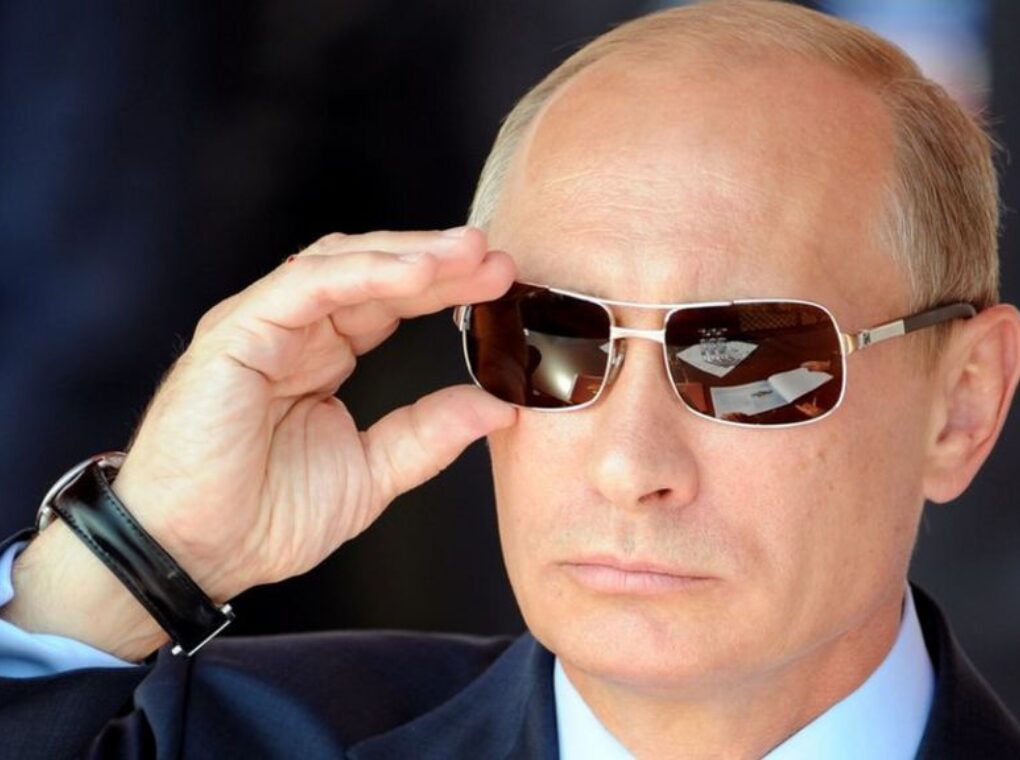
Despite the revenue windfall, Russian President Vladimir Putin has urged caution. Speaking at a recent economic meeting, Putin advised oil and gas companies against excessive spending or dividend expansion.
He emphasized the importance of using the additional income to reduce debt and strengthen financial stability. “Markets are volatile,” Putin warned, noting that today’s high prices could quickly reverse. He also compared the current geopolitical uncertainty to the economic shocks experienced during the COVID-19 pandemic.
India Turns Back to Russian Oil
The crisis has had immediate implications for India, which relies heavily on imports for its energy needs. Nearly half of India’s crude oil imports typically pass through the Strait of Hormuz, making the disruption particularly impactful.
In response, Indian refiners have significantly ramped up purchases from Russia. After declining in late 2025 due to sanctions pressure, Russian oil imports into India have rebounded sharply. Data from analytics firm Kpler suggests imports could reach 1.8 to 2.0 million barrels per day in March—levels not seen since the peak of post-Ukraine war buying.
India has maintained that its oil procurement strategy is driven by price, availability, and logistical considerations. However, the current crisis has once again made Russian crude a cornerstone of India’s energy security.
Geopolitical Undercurrents
Beyond economics, the situation is raising geopolitical concerns. Reports from Western intelligence agencies suggest that Russia may be expanding its support to Iran, potentially including shipments of drones, medical supplies, and food.
According to a report by the Financial Times, discussions around drone deliveries began shortly after joint US-Israeli strikes on Tehran. However, the Kremlin has denied these claims, with spokesperson Dmitry Peskov dismissing them as misinformation while confirming ongoing diplomatic engagement with Iranian leadership.
A Volatile Road Ahead
The Iran conflict underscores the fragile nature of global energy markets. While Russia currently stands to benefit financially, the long-term outlook remains uncertain. Prolonged instability in the Middle East could trigger further price volatility, disrupt supply chains, and reshape global energy alliances.
For now, however, Moscow is capitalizing on a crisis that has upended traditional oil flows—turning geopolitical turmoil into economic opportunity.