
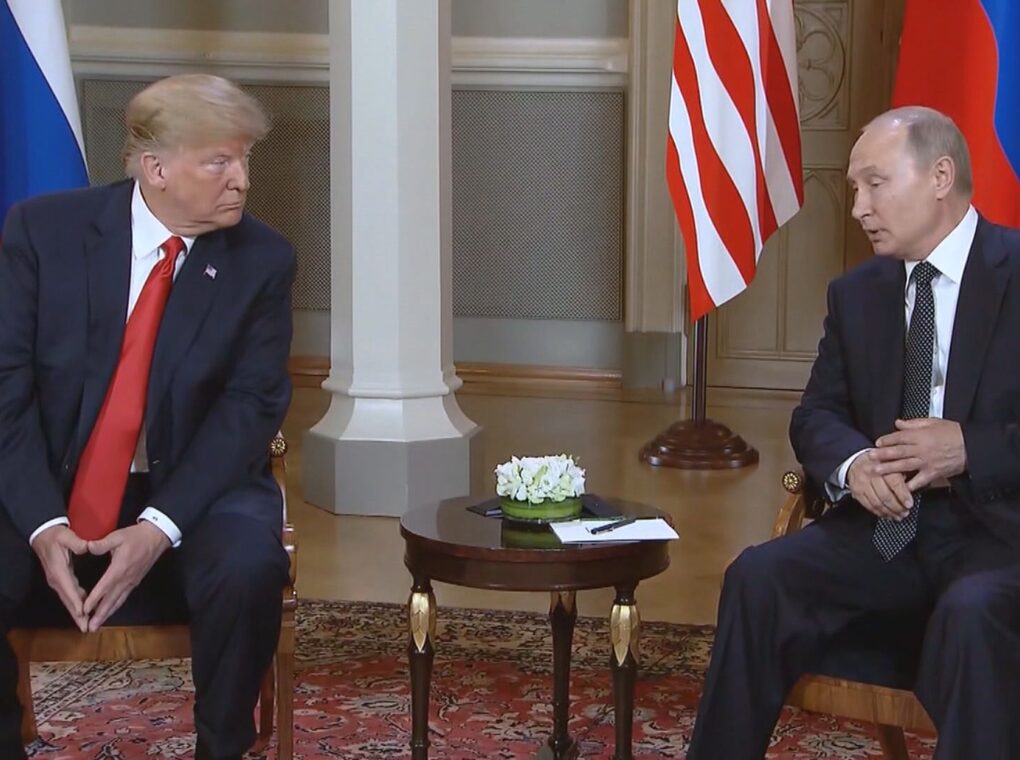
The specter of great power rivalry is once again looming over Afghanistan, as Russia raises alarm over a potential United States move to regain control of the strategically vital Bagram Airbase. The development comes at a time when tensions in West Asia are already intensifying due to the ongoing conflict involving Iran, adding a new layer of complexity to an already volatile global landscape.
According to Zamir Kabulov, special envoy on Afghanistan appointed by Vladimir Putin, Washington’s interest in Bagram is not new. However, he emphasized that such ambitions are becoming increasingly concerning in the current geopolitical climate.
Why Bagram Airbase Matters
Bagram Airbase, located just outside Kabul, has long been one of the most strategically significant military installations in Asia. Originally constructed by the Soviet Union during the Cold War, the base later evolved into the backbone of US and NATO operations during their two-decade presence in Afghanistan.
The base was abandoned in August 2021 during the chaotic US withdrawal, marking a symbolic end to America’s longest war. However, recent statements by Donald Trump suggest that Washington may be reconsidering its exit.
In September 2025, Trump publicly declared that the US was “trying to get Bagram back,” even warning of consequences if Afghanistan failed to return control of the base. His remarks indicate that Bagram is once again being viewed as a critical strategic asset.
Strategic Calculations: Iran, China, and Central Asia
The renewed interest in Bagram is closely tied to its geographic advantage. The base provides proximity not only to Iran but also to Central Asia and western China. For the United States, regaining access could significantly enhance its military reach and surveillance capabilities across a broad and sensitive region.
Trump himself has pointed to China as a key factor behind the renewed focus, underscoring the base’s location within striking distance of critical Chinese infrastructure in Xinjiang. In the context of rising US-China rivalry, Bagram could serve as a forward operating hub in a potential multi-front geopolitical contest.
However, both Russia and China view such a move as highly destabilizing. Moscow has made it clear that it opposes any return of Western military infrastructure in Afghanistan, fearing it could upset the regional balance of power and revive great power competition on Afghan soil.
Regional Tensions Add Fuel to the Fire
The situation is further complicated by escalating tensions between Afghanistan and Pakistan. Cross-border clashes and military exchanges have become more frequent, with Islamabad accusing Afghan authorities of harboring militant groups, particularly the Pakistani Taliban.
These accusations have already led to airstrikes and heightened military alertness along the border, increasing the risk of a broader regional conflict. Some analysts have even suggested that Pakistan’s actions may indirectly align with US strategic interests, though such claims remain speculative and politically sensitive.
Kabulov himself acknowledged the unpredictability of the situation, describing it as a deeply rooted conflict with no clear resolution in sight.
A Dangerous Convergence of Conflicts
What makes the current scenario particularly alarming is the convergence of multiple geopolitical fault lines. The ongoing Iran conflict, the possibility of a US military return to Afghanistan, and rising Afghan-Pak tensions together create a volatile mix that could reshape regional dynamics.
For Washington, reclaiming Bagram could provide a crucial strategic foothold. For Moscow and Beijing, it represents an unacceptable expansion of Western influence in their near periphery. Meanwhile, regional players like Pakistan are navigating their own security concerns amid growing instability.
What Lies Ahead?
Afghanistan has historically been a battleground for global rivalries—from the Cold War to the US-led war on terror. The renewed focus on Bagram Airbase suggests that the country could once again become a केंद्र of geopolitical competition.
If the United States proceeds with efforts to regain control of the base, it risks triggering strong reactions not only from Russia and China but also from regional stakeholders. Such a move could reignite tensions that extend far beyond Afghanistan’s borders.
As the Iran conflict continues to escalate, the world is watching closely. One thing is clear: Bagram Airbase is no longer just a relic of past wars—it is rapidly emerging as a potential flashpoint in the next phase of global power politics.