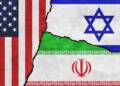
Tensions in the Middle East have intensified sharply after Donald Trump suggested that the United States could take control of Iran’s key oil export hub, Kharg Island, as part of its broader military strategy.
In a recent statement, Trump indicated that capturing the island remains a viable option, emphasizing that such a move could allow Washington to directly control Iran’s oil exports. His remarks signal a potential shift in US strategy—from targeted strikes to the possibility of a prolonged ground presence in one of the world’s most critical energy zones.
Why Kharg Island Matters
Kharg Island, located in the Persian Gulf, is the backbone of Iran’s oil economy. The majority of the country’s crude oil exports pass through its terminals, making it a highly strategic asset not just for Iran, but for global energy markets.
Any attempt to seize or disrupt operations on the island would have far-reaching consequences. Control over Kharg Island would effectively give the United States leverage over a significant portion of Iran’s revenue stream, potentially weakening Tehran’s economic and military capabilities.
Shift Toward a More Aggressive Strategy
Trump’s comments suggest a more aggressive posture in the ongoing confrontation with Iran. While previous US actions have largely focused on airstrikes and economic sanctions, the idea of physically capturing territory represents a major escalation.
According to his remarks, the United States possesses the military capability to secure Kharg Island quickly. However, he also acknowledged that such an operation would likely require American forces to remain in the region for an extended period to maintain control.
This raises concerns about the possibility of a long-term military engagement, similar to past US interventions in oil-rich regions.
Iran Strengthens Its Defenses
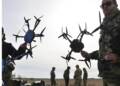
In response to rising threats, Iran has reportedly bolstered its defensive capabilities on Kharg Island. Military preparations are believed to include the deployment of naval mines, air defense systems, and advanced drone units.
Iranian officials have issued strong warnings, indicating that their forces are prepared to respond to any foreign incursion. The country has framed the situation as a matter of sovereignty and national security, signaling that any attempt to seize the island would likely trigger a forceful retaliation.
Global Oil Markets on Edge
The possibility of conflict over Kharg Island has already begun to unsettle global markets. Given the island’s central role in oil exports, even the threat of disruption has contributed to volatility in energy prices.
The situation is further complicated by the strategic importance of the Strait of Hormuz, a narrow waterway through which a significant portion of the world’s oil supply passes. Any escalation in the region could impact shipping routes, leading to delays, higher costs, and potential shortages.
Energy analysts warn that a sustained conflict could trigger a global economic ripple effect, increasing inflation and slowing growth in both developed and emerging economies.
Diplomacy vs Military Posturing
Despite the escalating rhetoric, there are still indications that diplomatic channels remain open. However, the contrast between ongoing discussions and strong military language has created uncertainty about the true direction of US policy.
Trump has repeatedly emphasized that the United States has multiple options, ranging from negotiation to direct military action. This ambiguity has added to global concerns, as it leaves room for rapid escalation depending on how the situation unfolds.
A Risky Geopolitical Move
The idea of seizing Kharg Island is widely viewed as a high-risk strategy. While it could deliver a significant blow to Iran’s economy, it also carries the danger of igniting a broader regional conflict.
Any military operation of this scale would likely involve not just Iran and the United States, but also other regional and global powers with strategic interests in the Middle East.
Experts caution that even if the island were captured quickly, maintaining control could prove far more difficult. Resistance from Iranian forces, combined with the complexities of regional geopolitics, could turn a short-term operation into a prolonged and costly conflict.
As tensions continue to rise, Trump’s remarks have added a new and potentially dangerous dimension to the crisis. The prospect of the United States attempting to seize Kharg Island underscores how fragile the situation has become.
With military forces building up and diplomatic efforts struggling to keep pace, the world faces growing uncertainty. Whether this situation leads to negotiation or conflict may determine not only the future of US-Iran relations but also the stability of global energy markets.