
The global aviation industry is entering turbulent skies as the ongoing conflict involving Iran disrupts vital energy supply routes, triggering a severe jet fuel crisis. With the strategic Strait of Hormuz effectively blocked, airlines across Europe and Asia are scrambling to manage dwindling fuel supplies, soaring costs, and mounting operational disruptions.
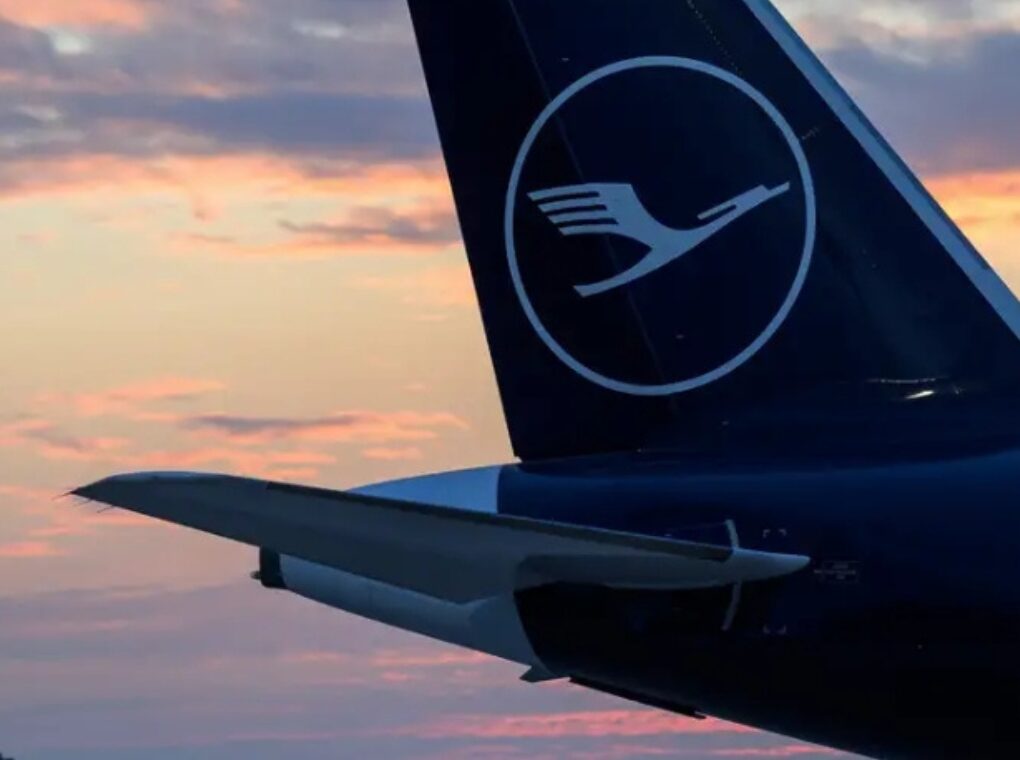
The most dramatic response so far has come from Lufthansa, Germany’s flagship carrier, which announced the cancellation of approximately 20,000 flights between May and October 2026. The move is aimed at conserving fuel as prices have reportedly doubled since the outbreak of the conflict.
Airlines Begin Cutting Flights as Fuel Costs Surge
Lufthansa stated that the cancellations—primarily short-haul routes—would save around 40,000 metric tons of jet fuel. The decision underscores the severity of the crisis, which is now forcing airlines to make difficult operational trade-offs.
Other carriers are following suit. KLM has already canceled 160 flights scheduled for the coming month, while several Asia-Pacific airlines are reducing routes and introducing fuel surcharges. The ripple effect is being felt globally, with rising ticket prices and shrinking availability threatening to derail summer travel plans.
Industry experts warn that this could be just the beginning. As fuel becomes scarcer, airlines may be forced into deeper capacity cuts, potentially leading to widespread holiday cancellations across Europe.
Europe’s Jet Fuel Supply Under Pressure
The crisis has exposed Europe’s heavy dependence on imported jet fuel, particularly from the Middle East. A significant portion of the region’s aviation fuel supply transits through the Strait of Hormuz, making it highly vulnerable to geopolitical disruptions.
According to the International Energy Agency, Europe may have as little as six weeks of jet fuel reserves remaining under current conditions. This stark warning has heightened concerns among policymakers and industry stakeholders.
However, not all estimates are equally pessimistic. Authorities in the Netherlands suggest that fuel supplies could last up to five months, highlighting uncertainty over the exact scale and timeline of the crisis.
Despite differing projections, there is consensus that the situation is serious and demands urgent action.
EU Scrambles for Emergency Measures
The European Commission is now actively coordinating a response to mitigate the impact. Emergency measures under consideration include collective management of jet fuel reserves and the redistribution of supplies among member states.
EU Transport Commissioner Apostolos Tzitzikostas has warned that a prolonged disruption in the Strait of Hormuz could prove “catastrophic” for both Europe and the global economy. In response, EU transport ministers are exploring contingency plans, including increased fuel imports from the United States and enhanced cooperation among member states.
The principle of “fuel solidarity” is gaining traction, where countries with surplus reserves could share supplies with those facing acute shortages. While this approach may provide temporary relief, experts caution that it is not a long-term solution.
Limited Alternatives Add to Industry Woes
One of the biggest challenges facing the aviation sector is the lack of viable alternatives to conventional jet fuel. While Sustainable Aviation Fuel (SAF) has been promoted as a cleaner substitute, its availability remains limited and costs are significantly higher.
The International Air Transport Association has previously warned that Europe’s fuel supply resilience is weakening due to increasing reliance on imports. Although EU regulations mandate a gradual increase in SAF usage, current supply levels are insufficient to offset the ongoing crisis.
As a result, airlines have little choice but to reduce consumption, cut flights, and pass rising costs onto passengers.
Ticket Prices Set to Rise as Crisis Deepens
Even if a complete fuel shortage is avoided, the financial impact on consumers is inevitable. Rising jet fuel prices are expected to drive up airfares significantly, making travel more expensive in the coming months.
Some airlines had previously reduced their reliance on fuel hedging strategies, leaving them more exposed to price volatility. Now, with fuel costs surging, carriers are warning customers to book tickets early to avoid higher prices.
The situation is particularly concerning as it coincides with the peak summer travel season in Europe, raising fears of widespread disruptions and reduced consumer confidence.
A Wake-Up Call for Global Aviation
The current crisis highlights the fragility of the global aviation industry, which remains heavily dependent on stable geopolitical conditions and reliable energy supplies. Any prolonged disruption in key oil transit routes can have immediate and far-reaching consequences.
From rising ticket prices to mass cancellations, the effects of the Iran war are already being felt across continents. Airlines, governments, and industry bodies are now racing against time to stabilize the situation.
However, unless normal oil flows resume through the Strait of Hormuz, experts warn that the jet fuel crisis could escalate further—turning what is currently a supply shock into a full-blown global aviation emergency.