
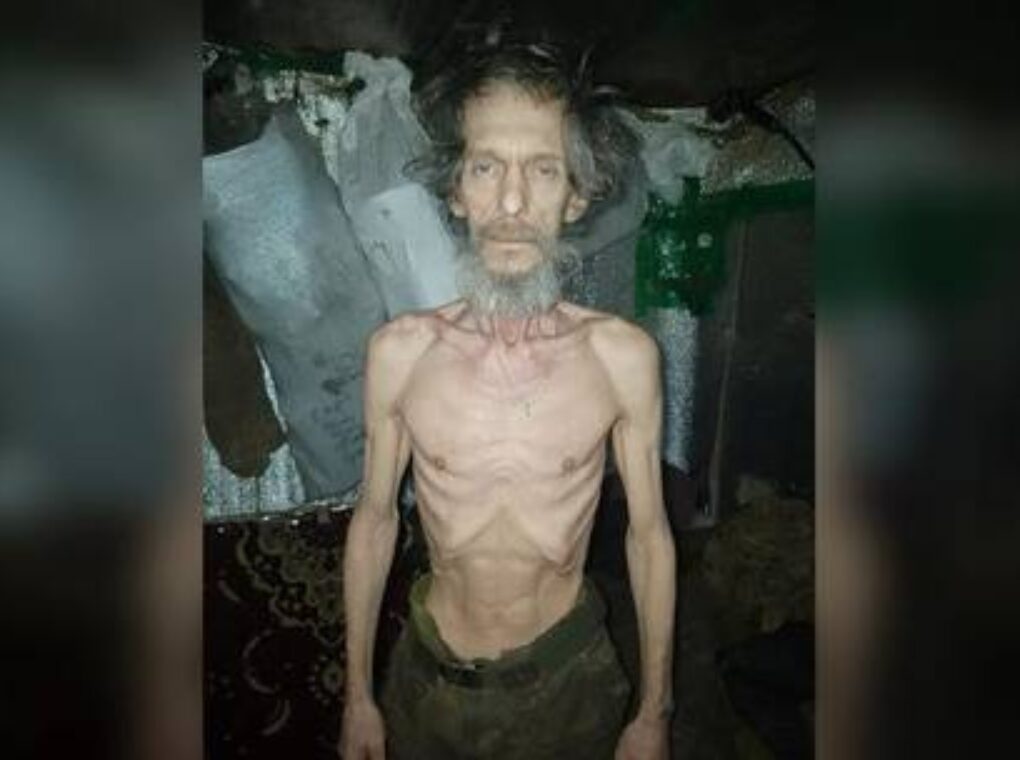
A shocking controversy has erupted within Ukraine’s armed forces after disturbing images of severely emaciated frontline soldiers surfaced online, sparking outrage, internal investigations, and renewed scrutiny over military management during the ongoing war with Russia.
The images, widely circulated on social media platforms, allegedly show troops from Ukraine’s 14th Separate Mechanized Brigade deployed near Kupyansk, a critical frontline area along the Oskol River. According to relatives who shared the photos, some soldiers had gone days without adequate food or water, with reports claiming that troops were forced to drink rainwater to survive and were fainting due to extreme hunger.
Crisis at the Frontline
The Kupyansk sector has been one of the most intense zones of fighting, with constant drone surveillance and artillery exchanges making supply routes extremely dangerous. Ukrainian and Western media outlets have pointed to the harsh battlefield environment as a major factor behind logistical breakdowns. In some cases, essential supplies such as food and medicine are reportedly being delivered via drones due to the high risk faced by ground transport units.
However, Ukraine’s Joint Forces Task Force has described the incident not merely as a consequence of war conditions but as a “serious management failure.” Officials suggested that local commanders failed to accurately report the severity of the situation up the chain of command, preventing timely intervention.
Swift Official Response
In response to the growing backlash, Ukraine’s General Staff announced the launch of an internal investigation. Initial actions have already been taken, including the replacement of one commander and the demotion of another, signaling an attempt to contain the fallout and demonstrate accountability.
Despite these measures, public anger continues to mount. Many Ukrainians, reacting online, have expressed concern that the incident reflects deeper systemic issues rather than an isolated breakdown.
Corruption Concerns Resurface
The scandal has reignited long-standing concerns about corruption within Ukraine’s defense establishment. Since the escalation of the war, Kyiv has faced repeated allegations of mismanagement, particularly in military procurement and logistics.
Former Defense Minister Oleksii Reznikov was dismissed in 2023 following a series of procurement scandals, including reports of inflated prices for basic supplies such as food for soldiers. His removal was part of a broader anti-corruption drive, but critics argue that structural issues persist.
Since then, Ukraine has seen multiple leadership changes within its defense ministry, raising questions about continuity and effective oversight during wartime.
Mobilization Drive Under Scrutiny
The situation is further complicated by Ukraine’s ongoing mobilization efforts. The government aims to recruit approximately 30,000 new troops each month to sustain its military operations. However, the process has been marred by allegations of coercion, corruption, and abuse of power.
Numerous videos circulating online appear to show confrontations between conscription officers and civilians, with reports suggesting that enforcement measures have become increasingly aggressive. In some cases, officials have allegedly resorted to force against individuals resisting mobilization.
Adding to the controversy, Ukraine’s police leadership has acknowledged a growing lack of public trust. Citizens are reportedly hesitant to engage with law enforcement, fearing that officers may collaborate with conscription authorities.
Allegations of Organized Corruption
Recent developments have also highlighted more serious accusations. In the port city of Odessa, authorities reportedly uncovered a suspected kidnapping and extortion network involving conscription officials and police informants. The group allegedly targeted wealthy individuals, threatening them with forced military service unless they paid bribes.
Such incidents have reinforced perceptions among critics that corruption remains deeply embedded within certain parts of the system, even as Ukraine continues to receive substantial international support.
Broader Implications
The starvation scandal comes at a critical time for Ukraine, as it seeks to maintain both domestic morale and international backing in its prolonged conflict with Russia. While Kyiv has made efforts to address corruption and improve transparency, incidents like this risk undermining confidence in its military leadership.
Analysts suggest that ensuring consistent supply lines, improving command accountability, and addressing corruption concerns will be essential for Ukraine’s long-term war effort.
As investigations continue, the focus remains on whether this incident will lead to meaningful reforms—or become another chapter in the ongoing challenges facing Ukraine’s wartime governance.