
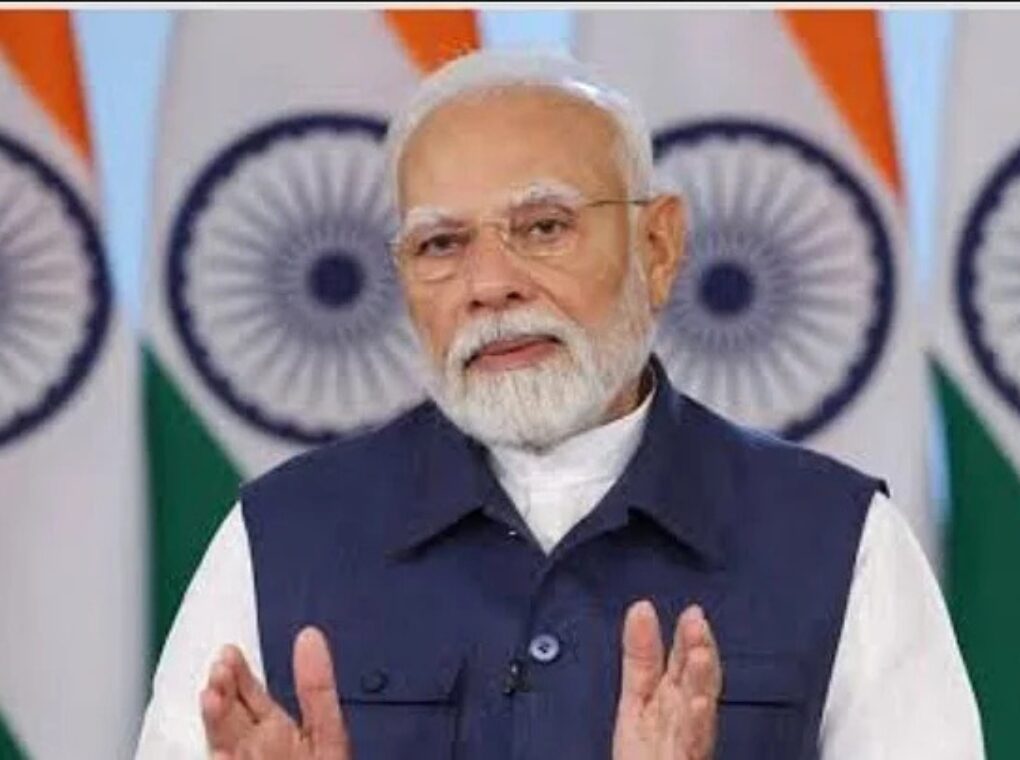
Prime Minister Narendra Modi’s recent appeal asking Indians to reduce fuel consumption, revive work-from-home culture, avoid unnecessary foreign travel, and postpone gold purchases is being viewed by many analysts as more than just an economic advisory. Experts find this message may reflect growing concern within governments that the ongoing Middle East conflict is entering a far more dangerous phase — one where diplomacy is failing, and the possibility of wider war is rising rapidly.
At a public event in Hyderabad, Modi urged citizens to use petrol and diesel “with restraint,” rely more on public transport, encourage carpooling, and reduce avoidable imports that place pressure on India’s foreign exchange reserves. He also called on people to avoid buying gold and reduce discretionary overseas spending for at least a year.
Such language from a sitting Prime Minister is rare outside periods of major global instability. The timing of the appeal has raised serious questions about whether India is quietly preparing for the possibility that the conflict involving Iran, the United States, and Israel could continue for a prolonged period — or even escalate into a much larger regional confrontation.
Diplomacy Appears to Be Collapsing
For months, there have been many attempts by several countries to prevent the crisis from spiraling further through backchannel diplomacy, international mediation, and pressure campaigns. However, recent developments increasingly suggest that negotiations may have stalled completely.
U.S. Military deployments are expanding. Naval activity in the Gulf region is intensifying. Economic sanctions continue to grow. Oil routes remain under severe disruption. The rhetoric from all sides has become more aggressive.
The situation surrounding the Strait of Hormuz has become particularly alarming. The strategic waterway — through which a significant share of global oil supplies normally passes — has remained under major disruption for weeks, creating panic in energy markets and global shipping industries.
Iran has warned foreign powers against military intervention, while Western countries are moving additional military assets closer to the region. Reports that the United Kingdom and France are considering or expanding naval deployments have further fueled fears that the conflict may no longer remain limited to a single theater.
For many geopolitical analysts, this resembles the early stages of broader military bloc formation — a dangerous sign in international relations.
India Faces a Direct Economic Threat
Although India is not directly involved militarily, the country stands among the most vulnerable major economies if the conflict deepens further.
India imports nearly 90% of its crude oil requirements, much of which depends on stable shipping routes through West Asia. Any prolonged disruption in Gulf energy supplies could trigger severe consequences for India’s economy.
Already, rising crude oil prices are increasing import costs and placing pressure on the Indian rupee. Inflation risks are growing. Transportation costs are rising. Several industries dependent on petrochemicals, logistics, and imported raw materials are beginning to feel the impact.
This explains why Modi’s appeal focused so heavily on conserving fuel and foreign exchange reserves.
The Prime Minister’s recommendations — encouraging work-from-home arrangements, online meetings, public transport usage, and reduced foreign travel — appear designed to lower energy consumption before the economic shock worsens further.
Analysts believe the government may be trying to prepare society psychologically for a period of prolonged economic strain.
Why Gold Buying Became a National Issue?
One of the most striking parts of Modi’s speech was his request that citizens avoid non-essential gold purchases for at least one year.
India is among the world’s largest importers of gold, and during times of global instability, gold imports often surge as citizens seek financial security. However, large-scale gold imports also drain foreign exchange reserves at a time when countries need dollars to pay for essential imports such as oil, gas, fertilizers, and industrial supplies.
By urging restraint in gold buying, the government appears concerned about preserving economic stability if the geopolitical crisis worsens further.
A Return to Wartime Economics?
Many analysts say the language now emerging from governments resembles the early stages of wartime economic management rather than normal peacetime policy.
The emphasis on:
- Energy conservation
- Domestic manufacturing
- Reduced imports
- Strategic resource management
- Remote work systems
- Controlled consumer behavior
All point toward governments preparing for longer-term instability.
The Covid-19 pandemic already demonstrated how quickly global supply chains can collapse under pressure. The current Middle East crisis is now threatening something even more dangerous: the global energy system itself.
If the Strait of Hormuz remains unstable, the consequences would spread far beyond oil prices. Shipping costs, food prices, aviation, manufacturing, agriculture, and international trade would all face severe disruption.
The Fear of a Wider Global Conflict
The growing involvement of major powers is what worries analysts most.
The United States remains deeply involved in the region. European powers are increasing naval readiness. Iran continues issuing warnings. Russia and China are closely monitoring developments, aware that the crisis could reshape global power balances.
At the same time, international institutions appear increasingly weak and unable to de-escalate the situation.
This combination — rising military deployments, failed diplomacy, economic disruption, and weakening global trust — historically creates conditions where miscalculations become more likely.
For India, the concern is especially serious because the Middle East is not a distant theater. It is part of India’s extended strategic neighborhood, tied directly to its energy security, trade routes, diaspora population, and economic stability.
A Warning Hidden Inside an Appeal
PM Modi’s message may therefore carry a deeper geopolitical signal.
His appeal was not framed around panic, but preparedness. The emphasis on responsible consumption, economic discipline, and national participation suggests the government believes the world may be entering a prolonged period of instability.
Whether the current conflict turns into a larger regional war remains uncertain. But one thing is becoming increasingly clear: world leaders are no longer treating the crisis as temporary.
And if diplomacy truly has failed, the world could be approaching a dangerous turning point where economic shocks, military escalation, and geopolitical rivalries begin merging into a much larger global confrontation.