
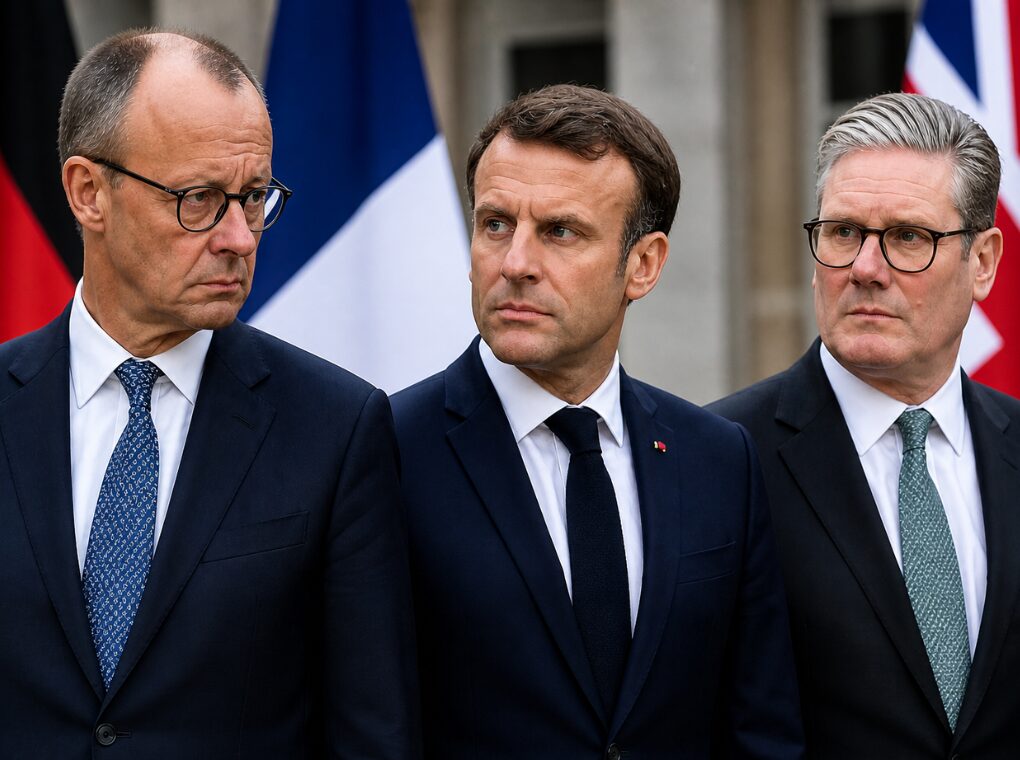
German Chancellor Friedrich Merz has emerged as the world’s most unpopular political leader, according to a new global survey by US-based opinion research institute Morning Consult, intensifying concerns over growing public frustration with governments across Europe and the West.
The survey, published in April 2026, tracked approval ratings across 24 democratic nations and found that Merz recorded a staggering 76% disapproval rating, while only 19% of Germans approved of his performance. The findings place him ahead of French President Emmanuel Macron and British Prime Minister Keir Starmer among the least popular leaders globally.
The numbers reflect mounting dissatisfaction among European voters struggling with inflation, economic uncertainty, immigration concerns, and political polarization.
Friedrich Merz Tops List of Least Popular Global Leaders
According to Morning Consult’s approval tracker, German Chancellor Friedrich Merz has suffered a dramatic collapse in public confidence just months into office. The data, gathered during the first week of April, suggests Merz is significantly less popular than his predecessor, former German Chancellor Olaf Scholz.
A recent Forsa poll echoed similar findings, showing Merz with approximately 20% approval and nearly 78% dissatisfaction, highlighting widespread frustration with his government’s handling of Germany’s economic slowdown.
Germany, Europe’s largest economy, has faced severe industrial stagnation, rising energy costs, and concerns over fiscal stability. Merz himself previously acknowledged Germany had entered a “structural crisis,” although critics argue his leadership has failed to offer convincing solutions.
Political analysts suggest German voters are increasingly frustrated by declining purchasing power, manufacturing struggles, and mounting pressure on public finances amid expanding military spending commitments.
Emmanuel Macron and Keir Starmer Also Facing Public Backlash
French President Emmanuel Macron closely follows Merz in unpopularity rankings, with only 18% approval and 75% disapproval in the Morning Consult survey.
France has experienced prolonged political instability since Macron dissolved the National Assembly following his party’s poor performance in the European Parliament elections. The gamble ultimately backfired, resulting in parliamentary deadlock and legislative paralysis.
Meanwhile, UK Prime Minister Keir Starmer ranks third among the least popular Western leaders, with just 27% approval and 65% disapproval.
Starmer’s government has come under fire over Britain’s ongoing cost-of-living crisis, sluggish economic recovery, and growing voter dissatisfaction. Labour also suffered major setbacks in recent local elections, losing traditional strongholds and facing pressure from both left-wing challengers and Nigel Farage’s Reform UK movement.
Despite internal criticism and calls for resignation, Starmer has managed to survive leadership pressure due to a lack of clear alternatives within the Labour Party.
Why Western Leaders Are Losing Public Support
The declining popularity of leaders across Germany, France, and the UK points to a broader political trend affecting Western democracies.
Political observers argue that several major issues are driving voter dissatisfaction:
1. Economic Pressure and Cost-of-Living Crisis
Rising inflation, housing costs, expensive energy bills, and stagnant wages have placed heavy financial pressure on households. Across Europe, voters increasingly blame incumbent governments for failing to ease economic hardships.
2. Political Gridlock
In countries such as France and Germany, political fragmentation has made governance increasingly difficult. Coalition disputes and legislative paralysis have weakened public confidence in elected leaders.
3. Immigration and Security Concerns
Immigration policies continue to divide public opinion across Europe. Many voters believe governments have struggled to balance humanitarian obligations with domestic security and economic pressures.
4. Growing Distrust of Political Establishments
A widening gap between political elites and ordinary citizens has fueled frustration. Voters across Europe increasingly feel disconnected from mainstream political institutions, creating space for populist and anti-establishment movements.
Donald Trump Also Facing Rising Disapproval
Public dissatisfaction is not limited to Europe. In the United States, President Donald Trump is also experiencing declining approval numbers.
Recent polling suggests that more than half of American voters disapprove of Trump’s policies, particularly regarding inflation and economic management. Concerns over tariffs, consumer prices, and geopolitical instability have contributed to rising public skepticism.
Economic anxiety remains one of the strongest drivers of political dissatisfaction globally, with voters increasingly demanding immediate results from leaders.
Is Europe Entering a Political Turning Point?
The sharp decline in approval ratings for leaders like Friedrich Merz, Emmanuel Macron, and Keir Starmer may signal a deeper political transformation in Europe.
Across NATO and European Union nations, voters are increasingly rejecting traditional political establishments and demanding faster action on economic issues, immigration, and governance.
Recent elections across Europe have shown rising support for nationalist, populist, and outsider political movements. In Germany, the right-wing Alternative for Germany (AfD) continues gaining momentum, while in France and Britain, anti-establishment voices are becoming increasingly influential.
Political experts warn that sustained public frustration could reshape Europe’s political landscape over the next several years, particularly if economic pressures persist.
What Comes Next for Western Governments?
While low approval ratings do not always translate into immediate political collapse, they often signal growing instability and electoral vulnerability.
For Friedrich Merz, the challenge will be restoring confidence in Germany’s struggling economy while navigating fiscal pressures and geopolitical uncertainty. Macron faces continued parliamentary dysfunction in France, while Starmer must rebuild trust among British voters amid growing impatience for change.
As economic hardships continue and public expectations rise, Western governments may face mounting pressure to deliver tangible results—or risk deeper political backlash.