
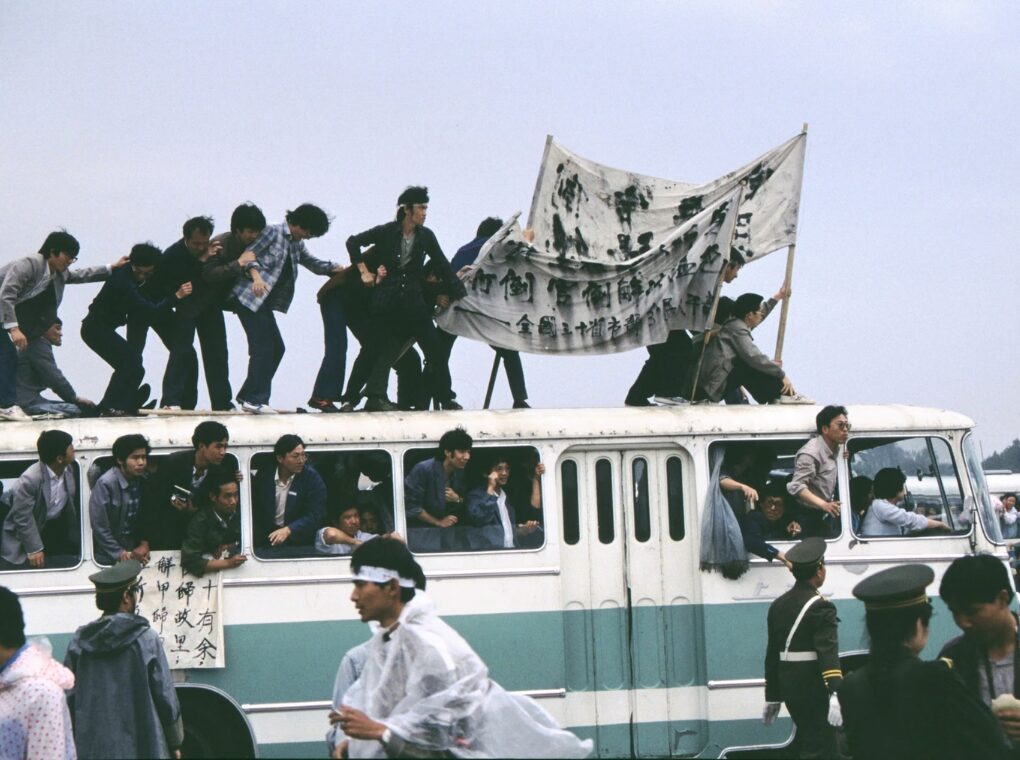
Thursday marks 37 years since the violent suppression of pro-democracy protests in Beijing’s Tiananmen Square, one of the most politically sensitive and controversial events in modern Chinese history. While the Chinese government continues to tightly censor discussion of the events of June 4, 1989, activists, survivors, and human rights organizations are once again calling for transparency, accountability, and public remembrance.
The crackdown, which unfolded during the night of June 3 and into June 4, 1989, saw Chinese military forces move into central Beijing to disperse weeks-long demonstrations led primarily by students demanding political reform, anti-corruption measures, greater freedoms, and democratic accountability.
What Happened at Tiananmen Square in 1989?
The protests began in April 1989 following the death of reform-minded Communist Party official Hu Yaobang, whose legacy inspired growing public demands for political openness. Over several weeks, tens of thousands of students, workers, and ordinary citizens gathered in and around Tiananmen Square in Beijing.
As demonstrations expanded, China’s leadership declared martial law. On June 3-4, armed troops and tanks entered Beijing, opening fire in several parts of the city to clear protest sites and restore government control.
The exact number of deaths remains disputed. The Chinese government has officially stated that around 300 people died, including soldiers. However, rights groups, foreign diplomatic records, and independent researchers have estimated casualties ranging from several hundred to potentially thousands.
A declassified British diplomatic cable released years later suggested that casualties may have been significantly higher than official figures, though no universally accepted death toll exists.
China’s Continuing Silence and Censorship
Public discussion of the Tiananmen crackdown remains heavily restricted in China. References to “June 4,” “1989 protests,” and even symbolic imagery associated with the incident are routinely censored online.
Many younger Chinese citizens reportedly know little or nothing about the events due to strict state control over educational material, media coverage, and internet searches.
Chinese authorities continue to characterize the events as political “turmoil” and maintain that the government’s response was necessary to preserve national stability.
In recent years, digital censorship surrounding the anniversary has intensified. Social media platforms and online forums often remove content referencing Tiananmen Square, while heightened security measures are commonly reported around sensitive dates.
Tiananmen Mothers Renew Call for Justice
Ahead of the anniversary, Tiananmen Mothers, a network formed by relatives of victims, issued an appeal urging the Chinese government to officially acknowledge what happened, reveal the truth about casualties, compensate victims’ families, and hold responsible officials accountable.
According to reports from international media and rights organizations, some members of the group were allegedly restricted by authorities from visiting gravesites of relatives around the anniversary period.
The organization has long argued that historical silence surrounding the incident has denied closure to victims’ families.
The “Tank Man” Symbol That Endures
One of the most enduring images from the aftermath of the crackdown remains the photograph of an unidentified man standing alone in front of a column of tanks near Tiananmen Square.
The image widely recognized globally as “Tank Man,” became an international symbol of resistance and individual courage. However, the identity and fate of the man remain unknown.
Inside China, images and discussion of the iconic moment remain largely inaccessible due to censorship.
Global Reactions and Human Rights Concerns
Each year, governments and human rights organizations worldwide commemorate the anniversary and call for greater openness regarding the events of 1989.
Western governments, including the United States and European nations, have repeatedly urged Beijing to respect civil liberties and preserve historical memory of the crackdown.
At the same time, China has consistently rejected outside criticism, arguing that foreign governments are interfering in domestic affairs.
The anniversary comes amid continued international scrutiny of China’s human rights record, including concerns related to political freedoms, surveillance, and restrictions on dissent.
Why Tiananmen Still Matters 37 Years Later
For many observers, Tiananmen Square remains a defining moment in China’s political trajectory. Analysts argue that the 1989 crackdown shaped the country’s modern governance model, prioritizing political control and social stability while pursuing rapid economic growth.
Despite decades passing since the incident, the anniversary continues to resonate globally as debates over free speech, democratic reform, and state power persist.
As China marks 37 years since the Tiananmen Square crackdown, calls for historical transparency remain as strong as ever — even as public discussion inside the country stays largely silenced.