
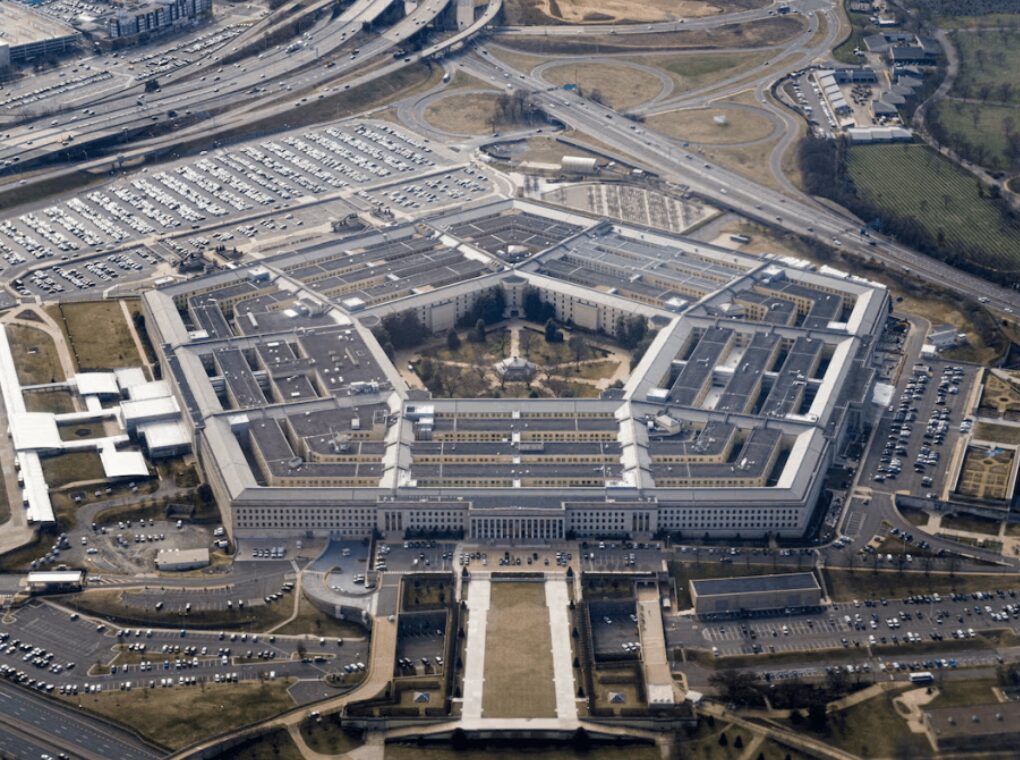
The Pentagon’s intelligence agency has elevated the threat of Israeli espionage against the United States to its highest level — “critical” — amid growing tensions between Washington and Tel Aviv over Iran and the broader Middle East conflict.
According to reports by NBC News and The New York Times, the US Defense Intelligence Agency (DIA) circulated an internal assessment in recent weeks warning that Israeli intelligence operations targeting US officials had become increasingly aggressive. The assessment includes a seven-page report detailing Israel’s human intelligence and technical surveillance capabilities, classifying them as operating at a “critical” threat level.
The move reflects growing concerns inside the US national security establishment that Israel may be attempting to gain access to sensitive information within the Donald Trump administration, particularly regarding Iran, Lebanon, and ceasefire negotiations in the region.
Top Trump Officials Targeted
US media reports claim that several senior officials were among those allegedly monitored or targeted for intelligence collection, including President Donald Trump’s special envoy and chief Iran negotiator Steve Witkoff, Pentagon policy chief Elbridge Colby, and senior defense official Michael DiMino.
According to the NYT, some US officials privately described the scale and aggressiveness of Israeli surveillance efforts since the beginning of Trump’s second presidential term as “unhinged,” arguing that intelligence gathering had exceeded the normal boundaries typically seen between close allies.
While espionage among allied nations is not uncommon, reports suggest that recent Israeli activities triggered heightened alarm because of their intensity and timing, particularly during a sensitive phase of negotiations concerning Iran and regional stability.
Israel says fake news, Politically Motivated.
Israel has strongly denied the allegations.
An Israeli Embassy spokesperson in Washington dismissed the reports as “completely false” and politically motivated, insisting that Israeli intelligence agencies focus on hostile adversaries rather than allied governments.
“We do not collect intelligence on US government officials,” the spokesperson said, rejecting accusations that Israel attempted to surveil senior members of the Trump administration.
The White House also moved quickly to push back against the claims. A senior administration official told NBC News that “the entire story is false,” while the Pentagon declined to publicly comment on the alleged DIA assessment.
The Office of the Director of National Intelligence (ODNI) has also reportedly not issued any formal statement regarding the reports.
Growing Friction Between Trump and Netanyahu
The intelligence concerns come at a time of visible friction between US President Donald Trump and Israeli Prime Minister Benjamin Netanyahu over how to manage the ongoing conflict involving Iran and Lebanon.
Despite a fragile ceasefire between the U.S. and Iran reached earlier this year, negotiations on a broader settlement remain deadlocked over Tehran’s nuclear programme. Trump has repeatedly favored a diplomatic resolution, while Netanyahu has reportedly advocated stronger military action against Iran and its regional allies.
Tensions escalated further over Israel’s military operations in Lebanon targeting the Iran-backed Hezbollah group.
Earlier this week, Trump publicly acknowledged reports that he had angrily confronted Netanyahu during a phone call, even confirming he called the Israeli leader “f***ing crazy” over concerns that expanded military operations in Lebanon could derail delicate diplomacy with Tehran.
Speaking on the Pod Force One podcast, Trump admitted he was “perturbed” by Israel’s continued military escalation, saying he feared it could undermine US efforts to secure a lasting regional settlement.
Intelligence Cooperation Still Continues
Despite the reported concerns over espionage, intelligence-sharing between the US and Israel remains active, particularly on issues involving Iran’s nuclear activities and regional security threats.
However, reports suggest US counterintelligence agencies may now adopt stricter precautions during official visits to Israel, including limiting sensitive discussions and relying more heavily on secure communications systems.
Analysts note that intelligence gathering between allied nations, while controversial, is not unprecedented. One of the most notable historical examples remains the Jonathan Pollard case, in which a US Navy intelligence analyst was convicted in the 1980s for passing classified information to Israel.
Why does this matter of concern?
If this report is confirmed, the DIA’s decision to raise Israel’s espionage threat rating to “critical” could signal one of the most serious intelligence disputes between Washington and Tel Aviv in years.
The development comes at a delicate moment when both nations remain military and strategic partners but appear increasingly divided over the future of Iran policy, ceasefire negotiations, and the broader direction of Middle East security.
As diplomatic negotiations continue and regional tensions remain high, the reports could add another layer of strain to an already complicated US-Israel relationship.