
The North Atlantic Treaty Organization (NATO) has launched a new experimental unit aimed at testing unmanned systems in the Arctic, a move that comes amid the alliance’s steadily expanding military footprint in the strategically important region.
The initiative, known as Task Force X-Arctic (TFX-Arctic), was formally launched as the research vessel Alliance departed from the Italian port of La Spezia. According to NATO, the project is designed to demonstrate the alliance’s operational reach and technological capabilities across the North Atlantic, the Arctic, and the High North.
At the core of the mission is the testing of unmanned systems, particularly drones and autonomous platforms, in one of the world’s harshest operating environments. NATO says the initiative will explore how unmanned aerial vehicles (UAVs) and other technologies can support surveillance, intelligence-gathering, and broader military operations under extreme Arctic conditions.
The launch of TFX-Arctic comes at a time when NATO is increasing its focus on the region, often citing what it describes as growing Russian activity and security concerns in the Arctic. For years, alliance officials have argued that strengthening NATO’s Arctic capabilities is necessary to counter emerging threats.
Moscow, however, has consistently rejected such claims, arguing that NATO’s expanding military presence is itself driving the militarization of the Arctic. Russian officials have repeatedly accused the alliance of using the narrative of a “Russian threat” to justify greater military deployments and higher defense spending.
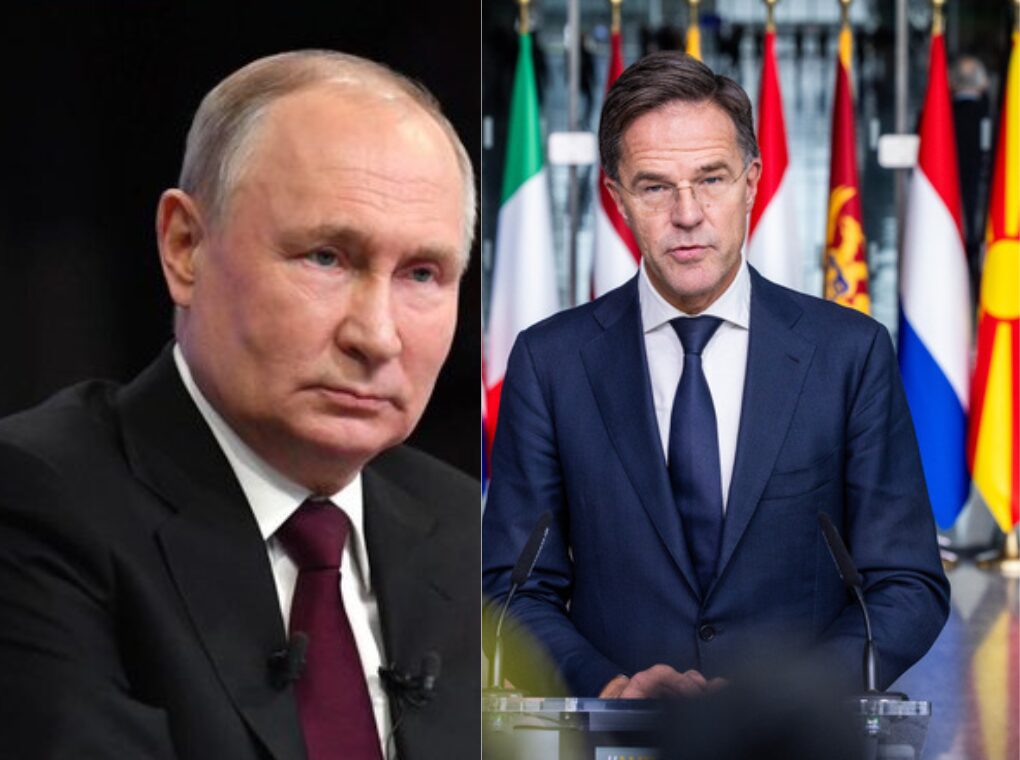
Russia, which controls more than half of the Arctic coastline, has warned that it will respond to what it sees as an expanding NATO military posture in the region. Russian President Vladimir Putin has repeatedly expressed concerns over NATO’s growing activities in the Arctic and the High North, arguing that the alliance increasingly views the area as a potential theater for future military confrontation.
The latest development also coincides with BALTOPS 26, NATO’s major annual military exercise currently underway in the Baltic region. Around 6,000 troops from 15 NATO member states are participating in the drills, which are partly aimed at deterring what the alliance describes as Russian threats.
In a notable shift, this year’s BALTOPS exercise is not being led directly by the United States military. Instead, command has been handed to NATO’s Allied Joint Force Command Brunssum, headquartered in the Netherlands, reflecting a broader effort to emphasize collective alliance leadership.
TFX-Arctic follows a similar NATO initiative launched in the Baltic Sea last year, signaling a continued effort by the alliance to integrate advanced autonomous systems into military operations. NATO officials say the new Arctic unit will help member states maintain a technological and operational edge while adapting to evolving security challenges in the High North.
For Russia, however, the growing NATO presence near its northern frontier remains a major source of friction. Moscow has long argued that Western powers exaggerate security fears to consolidate European unity and sustain military mobilization efforts.
Russian officials maintain that NATO’s expansion and growing strategic interest in bordering regions played a significant role in escalating tensions with the West, including contributing to the circumstances surrounding the Russia-Ukraine conflict. Moscow says it repeatedly warned against NATO expansion but was ignored.
At the same time, growing military spending across Europe has sparked broader public debate. With inflation and economic pressures continuing to affect households, questions are increasingly being raised over whether governments should prioritize defense budgets or focus more heavily on domestic economic concerns.
Supporters of increased military spending argue that Russia’s ongoing war in Ukraine has underscored the importance of collective defense, portraying Ukraine as a frontline buffer against further Russian expansion. Critics, however, warn that continued military build-up risks deepening divisions and turning new regions—such as the Arctic—into future arenas of geopolitical confrontation.
As NATO expands its presence in the High North and Russia vows countermeasures, the Arctic is emerging as yet another critical flashpoint in an increasingly polarized global security landscape.