
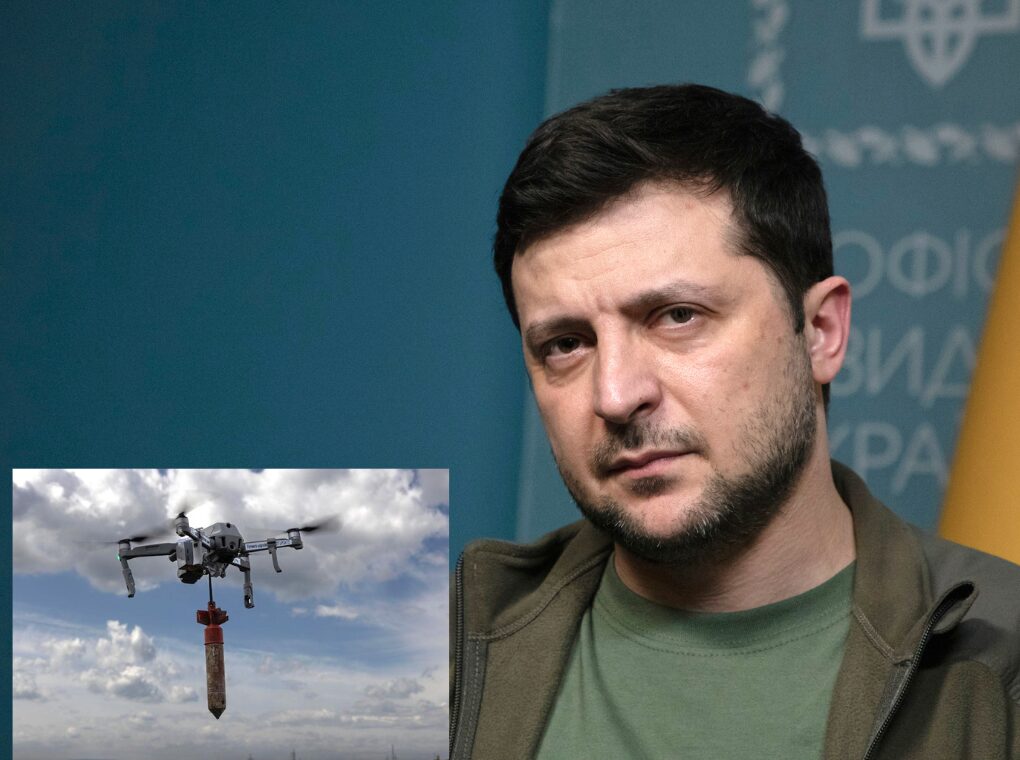
In a significant shift in Eastern European policy toward the Russia-Ukraine war, Bulgaria has announced that it will stop supplying weapons from its military stockpiles to Ukraine, signaling a more cautious approach to the prolonged conflict.
Bulgarian Prime Minister Rumen Radev said on Wednesday that Sofia would no longer send weapons from the Bulgarian army to Kyiv, emphasizing that diplomatic efforts—not military escalation—must now take priority in ending the war.
“We have already given enough, while our country continues to suffer socio-economic damage from this bloody war,” Radev told reporters ahead of a cabinet meeting, according to Euronews.
The statement marks a notable policy adjustment from a NATO and European Union member state that has been involved in military support for Ukraine since the start of Russia’s full-scale invasion in 2022.
Bulgaria Pushes For Diplomacy Over Military Aid
Prime Minister Radev, often viewed as favoring dialogue with Moscow, argued that the war cannot be resolved solely through continued weapons transfers.
“I am convinced that a peaceful solution will not be achieved by military means,” he said, reiterating his call for a “comprehensive and realistic approach” focused on diplomacy.
The announcement comes amid growing fatigue across parts of Europe over the financial and social costs associated with supporting Ukraine’s war effort, especially as the conflict enters its fifth year with no immediate resolution in sight.
Radev’s comments also align closely with remarks made by Bulgarian Defence Minister Dimitar Stoyanov, who earlier this week questioned the effectiveness of continued military assistance.
Speaking on Tuesday, Stoyanov described the Russia-Ukraine conflict as a “war of attrition,” suggesting that additional arms would not fundamentally change battlefield realities.
“What we are witnessing is a war of attrition, and no matter how much weaponry is amassed, its only result is the loss of human lives,” Stoyanov said.
He further argued that Ukraine’s primary challenge is not a shortage of weapons but manpower.
“Ukraine needs more people, not more weapons. It has enough weapons, so we do not envisage providing more weapons to the Ukrainian army,” the defence minister added.
Bulgaria’s Earlier Role In Arming Ukraine
Despite internal political divisions, Bulgaria has played a meaningful role in supporting Ukraine since Russia launched its invasion in February 2022.
Although direct military transfers often sparked domestic controversy, Sofia supplied large quantities of mostly Soviet-era weapons and ammunition, particularly during the early phases of the war. Much of this assistance reportedly moved through intermediary countries due to political sensitivities inside Bulgaria.
As a NATO and EU member, Bulgaria has remained formally aligned with Western efforts to support Ukraine. However, the latest decision suggests Sofia may now seek a more balanced position—continuing industrial defence cooperation while avoiding further depletion of its own military reserves.
Importantly, Bulgaria’s defence industry is expected to continue manufacturing ammunition and military-related equipment that could ultimately reach Ukraine through commercial or allied arrangements, even if direct government transfers from army stockpiles cease.
A Growing Debate Across Europe
Bulgaria’s announcement adds to an increasingly visible debate within Europe over the long-term sustainability of military support for Ukraine.
While countries such as Germany, France, and the United Kingdom continue to back Kyiv militarily and diplomatically, some political leaders across the continent have begun advocating negotiations with Russia as battlefield gains remain limited and casualties mount.
The decision could also fuel political divisions within NATO, where member states remain split over the pace, scale, and duration of military assistance to Ukraine.
For now, Bulgaria’s message appears clear: while support for Ukraine may continue through industrial channels, direct weapons transfers from the Bulgarian military are coming to an end as Sofia pushes for diplomacy over prolonged warfare.