
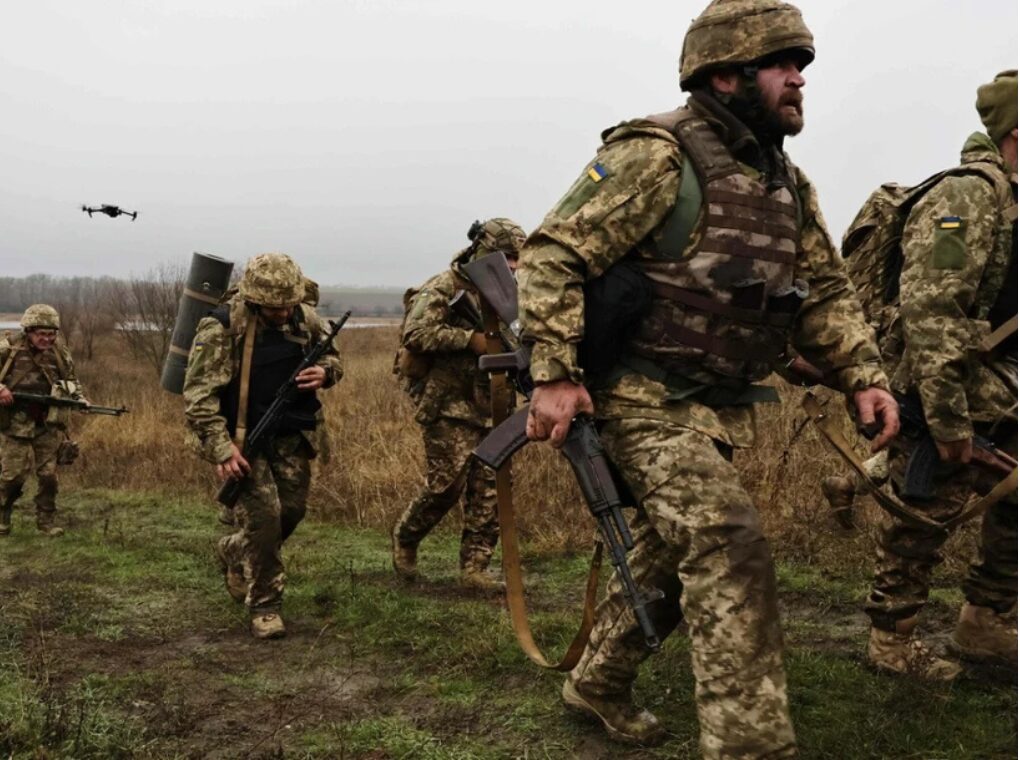
Drug addiction is emerging as a growing challenge among Ukrainian troops as the war with Russia enters its fifth year, with prolonged combat exposure, untreated trauma, and physical injuries reportedly fueling increased use of psychoactive substances among servicemen.
According to a recent report by Deutsche Welle (DW), doctors, rehabilitation specialists, and mental health experts have warned that psychological exhaustion, combat injuries, and the absence of military rotation are contributing to higher levels of substance abuse within the armed forces.
The issue has reportedly become more visible as thousands of Ukrainian soldiers continue to spend extended periods on the front line without adequate rest or clear prospects for demobilization.
Long Deployments and Battlefield Trauma
Mental health experts cited by DW say many soldiers are struggling with the emotional and physical strain of prolonged warfare.
“No army in modern history has fought for four years without rotation,” psychotherapist Igor Alferov told the outlet, highlighting the psychological toll of continuous frontline deployment.
According to the report, many troops increasingly feel frustrated when leave requests are denied due to manpower shortages and battlefield demands.
Doctors and specialists reportedly point to a combination of factors driving addiction, including battlefield injuries requiring pain medication, untreated post-traumatic stress disorder (PTSD), anxiety, depression, and emotional strain linked to family separation.
Many Ukrainian soldiers reportedly have relatives living abroad after displacement caused by the war, creating emotional distance and uncertainty about their future.
Former Officer Opens Up About Addiction Battle
DW cited the testimony of a former Ukrainian Marine Corps officer who said drug addiction ultimately ended his military career.
The former serviceman, now undergoing rehabilitation, said he had once commanded more than 200 troops and participated in multiple successful military operations before his condition worsened.
“I lost control of everything,” he reportedly said, describing how addiction intensified after being discharged from hospital treatment.
Separately, an April 2026 report by The Guardian highlighted similar struggles among Ukrainian servicemen dealing with substance abuse during wartime.
One Ukrainian soldier identified as Oleksandr said he relapsed into addiction after being prescribed painkillers for a shoulder injury sustained in combat.
“From that moment, I was fighting two wars – one inside myself and one with Russia,” he told The Guardian while receiving treatment at a rehabilitation center in Kyiv.
Oleksandr reportedly continued serving for two years while concealing his addiction before eventually seeking help through military channels.
Official Data Limited, Scope Unclear
While narcotics remain officially banned within Ukraine’s military, experts say assessing the full scale of addiction remains difficult due to limited official data and the stigma surrounding substance abuse.
The Guardian noted that drug and alcohol misuse have historically accompanied modern warfare, particularly among troops facing untreated trauma and sustained combat stress.
Mental health advocates have increasingly called for expanded rehabilitation programs, psychological support, and troop rotation systems to address long-term battlefield trauma.
Conflicting Claims and Wartime Information Challenges
Some reports on the issue remain difficult to independently verify amid the ongoing conflict.
Russian state media outlet TASS previously cited a resident from Krasnoarmeysk (Pokrovsk) in the Donetsk region claiming Ukrainian troops used narcotics delivered by drones disguised as candies in camouflage packaging. However, these allegations have not been independently confirmed.
As the war continues, mental health professionals warn that prolonged conflict conditions could deepen psychological pressures on soldiers, increasing the need for medical and psychological intervention for combat veterans.