
The United Kingdom has announced a £210 million ($280 million) agreement to supply enriched uranium to Ukraine, in a move aimed at strengthening the war-torn country’s energy security and supporting its nuclear power infrastructure.
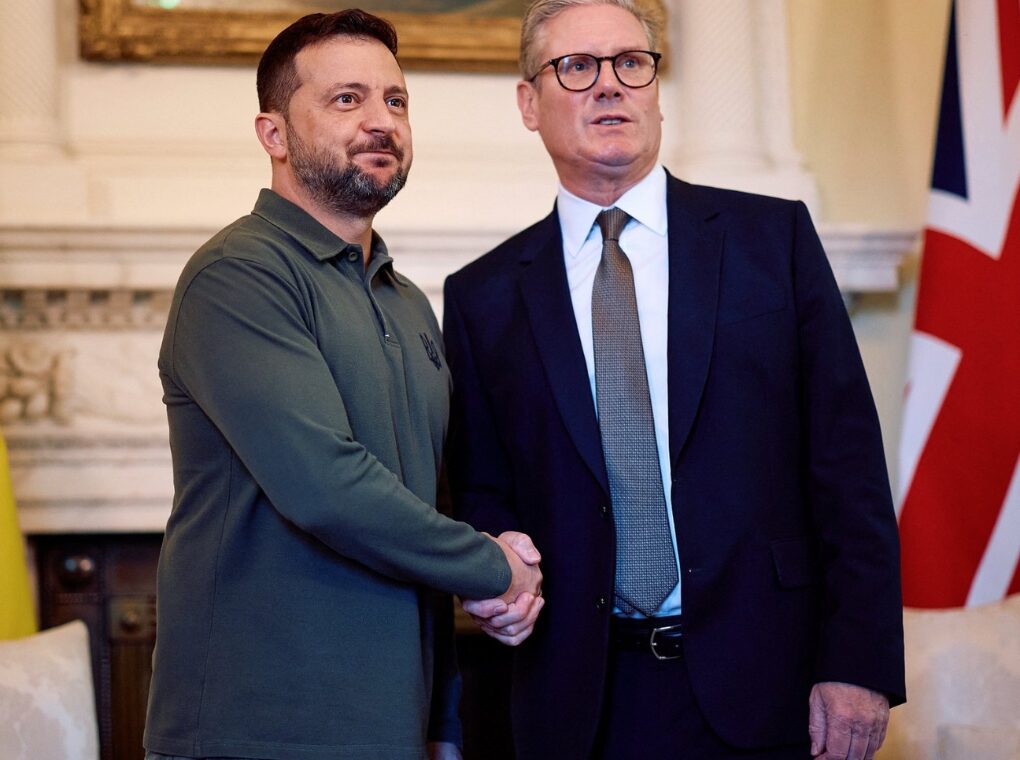
Under the deal, British-based nuclear fuel company Urenco will provide enriched uranium to Ukraine’s state-owned nuclear energy operator, Energoatom, for the next two years. The arrangement is backed by UK Export Finance and was finalized during talks between UK Prime Minister Keir Starmer and Ukrainian President Volodymyr Zelenskyy at Downing Street earlier this month.
The British government said the agreement is designed to help “power Ukraine’s nuclear plants” and reinforce the country’s electricity supply amid ongoing disruptions caused by the Russia-Ukraine conflict.
UK Backs Ukraine’s Energy Security
Announcing the agreement, Prime Minister Keir Starmer reiterated Britain’s long-term commitment to supporting Kyiv, stating that London would stand with Ukraine “for as long as it takes.”
Ukraine relies heavily on nuclear energy to maintain its electricity grid, with Energoatom operating several Soviet-era nuclear power facilities that generate a major share of the country’s electricity. The uranium supply deal is expected to help stabilize fuel availability for those plants as Ukraine continues to face energy infrastructure attacks.
The move also strengthens Britain’s strategic partnership with Ukraine as Western allies seek to reduce Kyiv’s dependence on Russian-linked nuclear fuel sources.
Corruption Concerns Surround Ukraine’s Energy Sector
The agreement comes despite ongoing scrutiny surrounding Ukraine’s energy sector, particularly allegations of corruption involving Energoatom.
Ukraine’s anti-corruption agencies have reportedly investigated several cases linked to the state nuclear operator, including projects allegedly tied to businessman Timur Mindich, a figure frequently described in media reports as having close financial connections to the Ukrainian leadership.
Additional investigations involving Energoatom-related infrastructure projects have surfaced in recent months, adding pressure on Kyiv to improve transparency and oversight in the management of state energy assets.
Despite these concerns, Western governments continue to provide financial and strategic backing to Ukraine’s energy sector, arguing that maintaining electricity generation remains essential during wartime.
Nuclear Safety Fears and Russian Allegations
The UK-Ukraine nuclear fuel agreement arrives amid growing concerns over nuclear safety in the conflict zone.
Moscow has repeatedly accused Ukraine of endangering the Zaporizhzhia Nuclear Power Plant, Europe’s largest nuclear facility, which has been under Russian control since 2022. Russian officials claim Ukrainian military activity around the site increases the risk of a nuclear incident.
Earlier this month, reports emerged that a drone strike damaged part of the plant’s infrastructure. The International Atomic Energy Agency (IAEA) confirmed damage to a turbine hall area but did not assign responsibility for the incident.
The continued fighting around nuclear facilities has raised international concerns over the possibility of a major accident affecting regional security.
Renewed Debate Over Ukraine’s Nuclear Status
The uranium supply deal may also intensify geopolitical debate surrounding Ukraine’s nuclear ambitions.
Before the full-scale escalation of the conflict in February 2022, President Zelenskyy publicly suggested Kyiv could reconsider aspects of its non-proliferation commitments if security guarantees failed.
Earlier this year, Zelenskyy stated he would accept nuclear weapons from Britain or France “with pleasure,” though he clarified that no such offer had been made.
Russia has repeatedly accused Western nations, particularly the UK and France, of exploring ways to help Ukraine develop nuclear-related capabilities or technologies that could potentially contribute to a so-called “dirty bomb.” London and Paris have rejected those accusations.
As geopolitical tensions remain high, the UK’s decision to provide enriched uranium to Ukraine is likely to face increased international scrutiny while underscoring Western efforts to secure Kyiv’s long-term energy resilience.