TFIGlobal
TFIGlobal
TFIPOST English
TFIPOST हिन्दी
No Result
View All Result
  • Indo-Pacific
  • Americas
  • Canada
  • Indian Subcontinent
  • West Asia
  • Europe
  • Africa
  • The Caribbean
TFIGlobal
  • Indo-Pacific
  • Americas
  • Canada
  • Indian Subcontinent
  • West Asia
  • Europe
  • Africa
  • The Caribbean
No Result
View All Result
TFIGlobal
TFIGlobal
No Result
View All Result
  • Indo-Pacific
  • Americas
  • Canada
  • Indian Subcontinent
  • West Asia
  • Europe
  • Africa
  • The Caribbean

Putin might have succeeded in quelling anti-government protests. But cold far east is heating up with chants of secessionism

Abhyoday Sisodia by Abhyoday Sisodia
February 9, 2021
in Geopolitics
Putin, Navalny, Russia, China
Share on FacebookShare on X

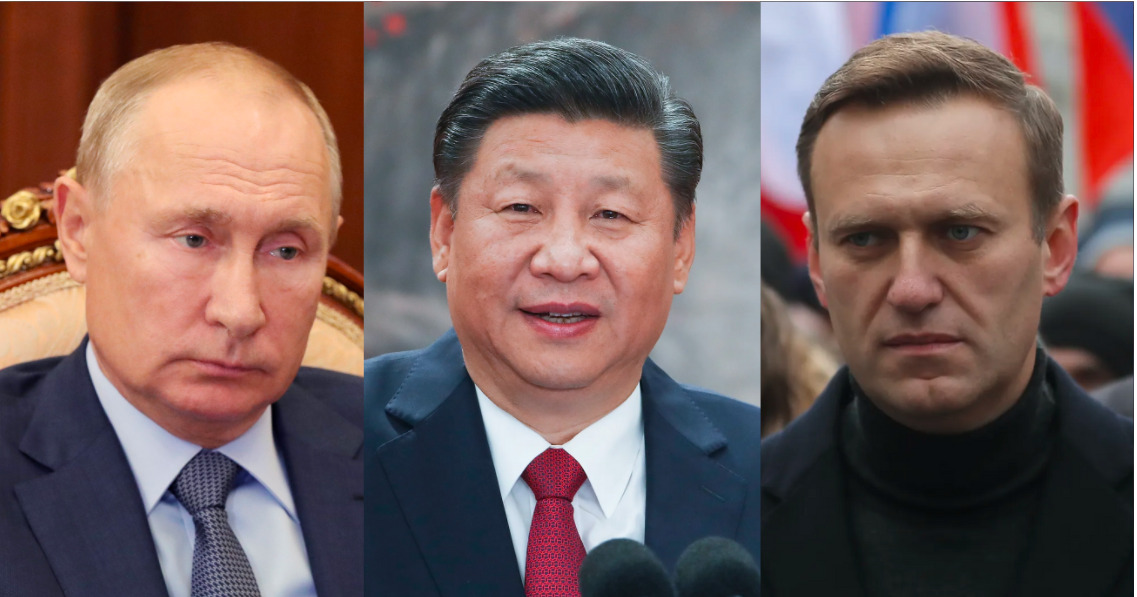
The protests in Russia brought the attention of many analysts who said that these will not be easily quelled. However, the current situations signal success, if we consider the quelling of anti-Putin protests in Russia. However, another problem has come to the forefront even if the protests are dying out. These protests have brought out the ghost of the far east secessionism, which is now being fomented and catalysed by Navalny.

As per the news reports, thousands of kilometres away from Moscow and the global spotlight, however, the Navalny movement has highlighted simmering resentment that could one day boil over — with implications not only for President Vladimir Putin but also Asian importers like China. The region has been for a very long time a tense zone, given it being resource-rich and increasing Chinese influence has exacerbated the situation.

Also Read

Stealth Secrets in Beijing’s Grip: China Holds F-35 Parts After Mystery Hong Kong Detour

“Crown jewels” for Riyadh? US clears $24.3bn F-35 sale despite China spying fears

One Man, 14 Break-Ins: Anthropic’s Report on How AI Became a Weapon for Hire

Alexei Navalny has capitalised on the secessionist impulses of the far-flung domains and as the protests have been quelled, for now, the focus of these aids of Navalny would be to maintain the anti-state sentiment that they have been able to create and foster. 

As per Nikkei Asia, the Putin critic has built a network of offices in regions the Kremlin largely disregards, reaching out to core supporters in their 20s and 30s. Alexey Gres’ko, the leader of Navalny’s office in the Siberian city of Yekaterinburg, observed increased political awareness. “Especially now we see a huge wave of support, even from the people who completely dislike Navalny,” he said. Their reasoning, he added, is, “I hate our state so much I want to join.”

TFI has also reported from time to time that China understanding the situation, has tried to bring out its own claims. Late last year, China was issuing veiled threats to its northern neighbour Russia in the wake of the Putin-led Moscow’s growing proximity to New Delhi in the backdrop of heightened Sino-Indian tensions.

A news report had come out which gives teeth to the claim that Russia under Putin, is no longer taking half-measures to protect its interests from China. According to a news report in Reuters, Russia is increasing its military presence in the Far East in response to rising tensions in the wider region.

Defence Minister Sergei Shoigu in the Putin government, on Thursday, iterated that the decision has been taken because of tensions in the “eastern strategic direction”, referring to an area encompassing Russia’s eastern border with China and the wider Asia-Pacific.

Read more: Russia is stepping up military presence in its Far East as China claims Vladivostok and rants about Indo-Russia friendship.

Dimitri Trenin, Director of the Carnegie Center in Moscow, suggested that while Putin’s old rival Navalny’s popularity might be limited, they are “only at the beginning of the participation of large groups of people in Russian politics.” He added, “This is new, we didn’t have that for some time, certainly in the last decade. But there will be more of it.”

The fact that these protests may be a precursor to some larger actions which could be taken by secessionist forces under the leadership of Navalny and backhanded support of the Chinese Communist Party, makes it a major concern for the Putin-led government in Moscow. The wedge between the political centre in Moscow and the resource-rich centres in the Far East is Achilles heel for the Russian Republic and if not addressed, these issues may lead to some big development going ahead.

Tags: Alexei NavalnyChinaRussiaShort takes
ShareTweetSend
Abhyoday Sisodia

Abhyoday Sisodia

M.A. in East Asian Studies, Department of East Asian Studies, the University of Delhi, India. Deep interest in geopolitics, foreign policy and world affairs.

Also Read

Donald Trump and Xi Jinping shake hands amid US-China flags, shipping containers, cargo ships, semiconductor chips and rare-earth minerals, symbolising trade tensions and fragile economic cooperation between the two countries.

Trump-Xi Trade Truce Extended to January, but 100% Tariff Threat Still Looms

September 24, 2026
US, Danish and Greenlandic leaders sign a security deal against a backdrop of Greenland's Arctic landscape and expanded US military infrastructure.

From Threats Of Seizure To A Signature: US Locks In A Permanent Grip On Greenland’s Defence With a New Deal

September 23, 2026
“Kim Jong Un watches North Korean ballistic missiles launch as Donald Trump and Xi Jinping face off against a backdrop of the US Capitol, highlighting tensions over North Korea’s missile tests and US-China diplomacy.”

Two Missiles, Three Hours: North Korea Fires a Warning as Xi Flies to Washington

September 22, 2026
US, Danish and Greenland leaders shake hands during a security agreement signing, with Arctic glaciers, military facilities, naval vessels and national flags in the background.

From Threats of Force to a Handshake: Trump Claims ‘Permanent’ Control Over Greenland’s Security

September 19, 2026
Donald Trump signs a Russia sanctions law as oil tankers and refineries symbolise growing US pressure on Russian energy buyers India and China, with Putin, Modi and Xi depicted amid a tense global energy standoff.

Trump signs Russia sanctions law, hangs a 100 per cent tariff sword over India and China

September 19, 2026
Canadian Prime Minister Mark Carney and European Commission President Ursula von der Leyen shake hands amid Canadian and EU flags, while Donald Trump stands near the US Capitol and cargo containers, symbolising Canada’s closer ties with Europe amid US tariff tensions. EU.

Europe opens its door, Trump threatens tariffs: Carney embraces EU associate membership offer

September 18, 2026
Youtube Twitter Facebook
TFIGlobalTFIGlobal
Right Arm. Round the World. FAST.
  • About Us
  • Contact Us
  • TFIPOST – English
  • TFIPOST हिन्दी
  • Careers
  • Brand Partnerships
  • Terms of use
  • Privacy Policy

©2026 - TFI MEDIA PRIVATE LIMITED

Welcome Back!

Login to your account below

Forgotten Password?

Retrieve your password

Please enter your username or email address to reset your password.

Log In

Add New Playlist

No Result
View All Result
  • Indo-Pacific
  • Americas
  • Canada
  • Indian Subcontinent
  • West Asia
  • Europe
  • Africa
  • The Caribbean
TFIPOST English
TFIPOST हिन्दी

©2026 - TFI MEDIA PRIVATE LIMITED

This website uses cookies. By continuing to use this website you are giving consent to cookies being used. View our Privacy and Cookie Policy.