
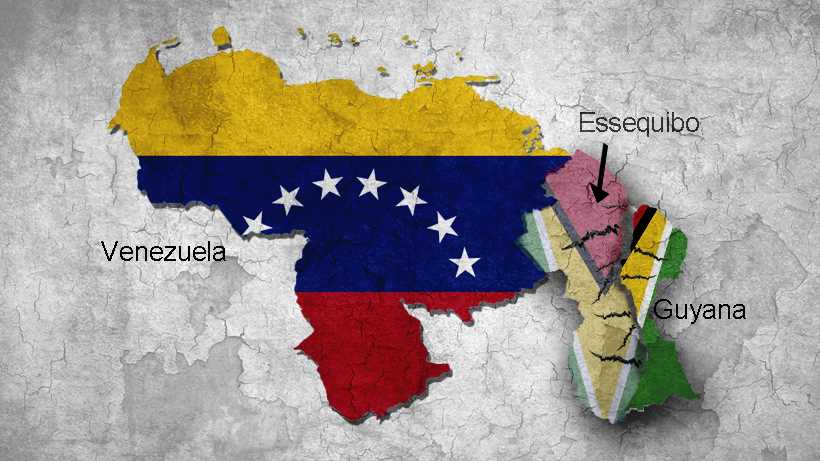
The discovery of oil in the Essequibo region has sparked a long-standing border dispute between Venezuela and Guyana, with both countries laying claim to the area. However, a recent decision by the International Court of Justice (ICJ) may upend the status quo.
Border dispute between Venezuela and Guyana
The recent decision of the International Court of Justice (ICJ) to exercise jurisdiction over the border dispute between Venezuela and Guyana marks a significant moment in a long-running conflict that has been fuelled by the discovery of oil in the Essequibo region.
This region, rich in oil and gas, has the potential to become one of the top oil producers in Latin America, leading to a dispute over the border drawn in 1899 between Venezuela and the then-British Guiana. The dispute has seen many escalations since the discovery of oil in the area, and the recent decision by the ICJ has provided the West with an upper hand.
In 2018, Guyana had pleaded with the ICJ to confirm that the border was drawn in a 1899 arbitration between Venezuela and the then-colony of British Guiana. However, Venezuela had argued that Britain should be involved since it was the colonial power at the time of arbitration. Rejecting Venezuela’s argument, the ICJ said it had jurisdiction over the matter. “The court… rejects the preliminary objection raised by the Bolivarian Republic of Venezuela” by 14 judges to one, ICJ chief judge Joan Donoghue said.
Read more: The three amigos are plotting Latin America’s downfall
Despite the recent ruling, it could take years for a final verdict in the case. Guyana has upheld the validity of borders and maintains they were laid in 1899 by an arbitration court decision in Paris involving Venezuela, Britain, and then-British Guiana, but Caracas has rejected the claim.
The diplomatic quarrel over the 160,000-square-kilometre territory had been mostly uneventful for several decades but awakened in 2015 following the discovery of massive oil reserves in Essequibo’s maritime waters, totalling an estimated 11 billion barrels.
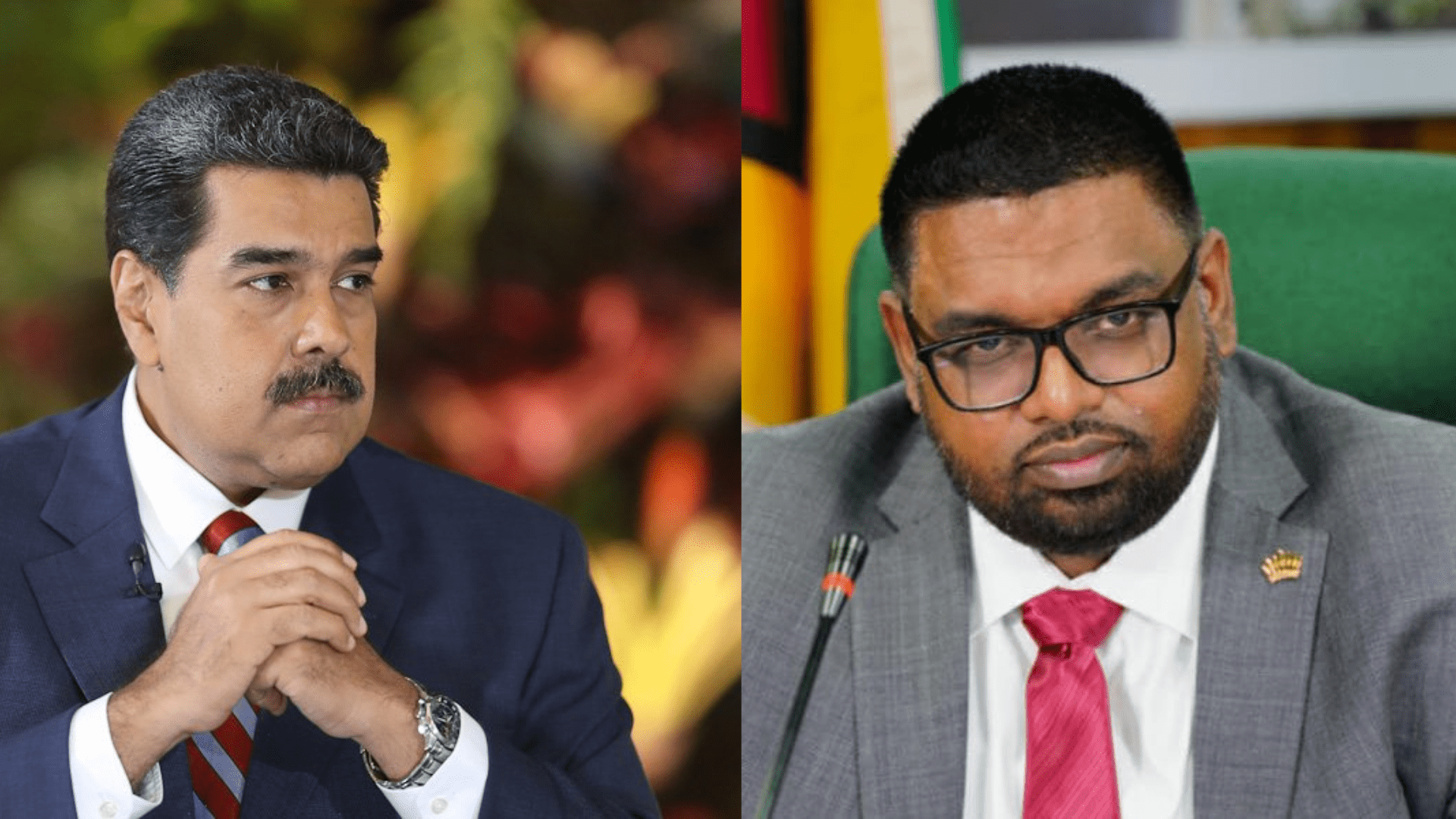
In response to the ICJ’s recent decision, Guyana’s President Irfaan Ali welcomed the verdict and expressed confidence that the court would confirm its long-standing international boundary with Venezuela. This marks the second time the court has rejected Venezuela’s arguments, with the decision providing a significant boost to Guyana’s position.
The West, especially the United States, has an interest in the outcome of the border dispute between Venezuela and Guyana, as several US oil companies, including ExxonMobil, have invested heavily in the Essequibo region. The discovery of oil in Guyana’s waters has led to a scramble by multinational oil companies to secure exploration rights, leading to accusations by Venezuela of “imperialist aggression.”
This aggression has been met with a diplomatic response by the West, with Guyana receiving support from the US, the UK, and Canada.
In contrast, Venezuela has sought support from Russia and China, who have both invested heavily in Venezuela’s oil industry. However, the current situation in Venezuela, with continuous US sanctions has led to a decline in its oil production capacity, providing the West with an opportunity to increase its share of the market.
The dispute between Guyana and Venezuela is not just about territorial rights, but it is also about the potential economic gains that the Essequibo region holds. Venezuela’s claims over the region are mainly based on its belief that the land and sea areas of Essequibo belonged to it before the 1899 arbitration agreement.
In the years following the discovery of oil in the Essequibo region, Venezuela has taken several steps to assert its territorial claims. In 2015, for example, it issued a decree claiming sovereignty over the disputed waters. The move was seen by many as a threat to Guyana and its oil exploration efforts. Since then, there have been multiple diplomatic exchanges and public statements from both sides, but there has been no concrete resolution to the dispute.
Read more: Venezuela is shooting down aircraft in its cocaine crackdown campaign
The recent decision by the ICJ to adjudicate on the matter could be a step towards a resolution. However, it is worth noting that the court’s ruling is not binding, and the final resolution will ultimately depend on the willingness of both parties to accept the outcome.
The economic implications of the dispute are significant. Guyana’s oil reserves in the Stabroek block are estimated to be around 8 billion barrels, with further exploration expected to increase this figure. ExxonMobil, which has a significant stake in the Stabroek block, has already invested billions of dollars in developing the area’s infrastructure, including pipelines, storage facilities, and drilling platforms.
For Venezuela, the stakes are also high. The country is experiencing a severe economic crisis, and its oil production has been on the decline in recent years. The Essequibo region offers a potential lifeline, providing a significant source of revenue for the country.
In conclusion, the recent decision would help neither Guyana nor Venezuela. The West has capitalized on animosity between the two countries to gain an upper hand. It’s better if Venezuela and Guyana can themselves solve the dispute. Therefore, regardless of the resolution, the dispute between Venezuela and Guyana highlights the challenges faced by developing countries as they try to leverage their natural resources while navigating complex geopolitical terrain.
https://www.youtube.com/watch?v=nyfkL7jehhc