As we approach the end of 2024, the United States finds itself facing a critical shortage of advanced weaponry and artillery within its military ranks. This scarcity has significant implications for the country’s global engagements and alliances.
Amidst the ongoing conflict in Ukraine, the United States plays a crucial role by providing support in the form of bombs and artillery. This collaboration underscores the interconnectedness of nations in times of geopolitical strife. The shortage of advanced weaponry within the US military raises questions about its ability to sustain such overseas commitments.
Simultaneously, the United States remains actively involved in the Middle East, supplying Israel with artillery ammunition. This support coincides with the Israel Defense Forces (IDF) engaging in operations against Hamas in Gaza. The interconnected nature of global disputes highlights the urgency for the United States to address its equipment shortages to effectively satisfy its commitments and support its allies.

Join us on Telegram: https://t.me/tfiglobal
In the Indo-Pacific region, tensions between the United States and China persist. As Taiwan prepares for a general election and faces concerns about Chinese interference, the shortage of advanced weaponry in the US military becomes a critical factor. Chinese President Xi Jinping’s commitment to reunite Taiwan with mainland China adds another layer of complexity to the global political environment.
The shortage of advanced weaponry in the United States is not just a domestic concern but has far-reaching repercussions in shaping global conflicts and alliances. As the world watches these developments unfold, addressing this shortage becomes imperative for the United States to maintain its strategic position and fulfill its international commitments.
Rare earth minerals are indispensable in the production of advanced weaponry, playing a pivotal role in the development of rockets, shells, and bombs. The United States currently faces a critical shortage of these essential minerals, posing challenges to its military capabilities.
Read More: How Russia, China and India conquered America’s backyard
The components of bombs, bullets, rockets, and missiles heavily rely on rare earth minerals, a group comprising 17 metallic elements. These minerals are integral to the production of strong magnets, a crucial component in finely calibrated bombs.
Certain rare earth metals exhibit thermal stability, making them essential for the production of high-tech explosives. For instance, Javelin missiles, designed to be launched towards a target even under extreme heat conditions, rely on specific rare earth elements for their functionality.
The importance of high-tech minerals extends to the fuzes of 155mm artillery shells, extensively exploited by military forces like the Israel Defense Forces (IDF) and the Armed Forces of Ukraine. These minerals contribute to the functionality and precision of armaments, asserting their role in modern warfare.
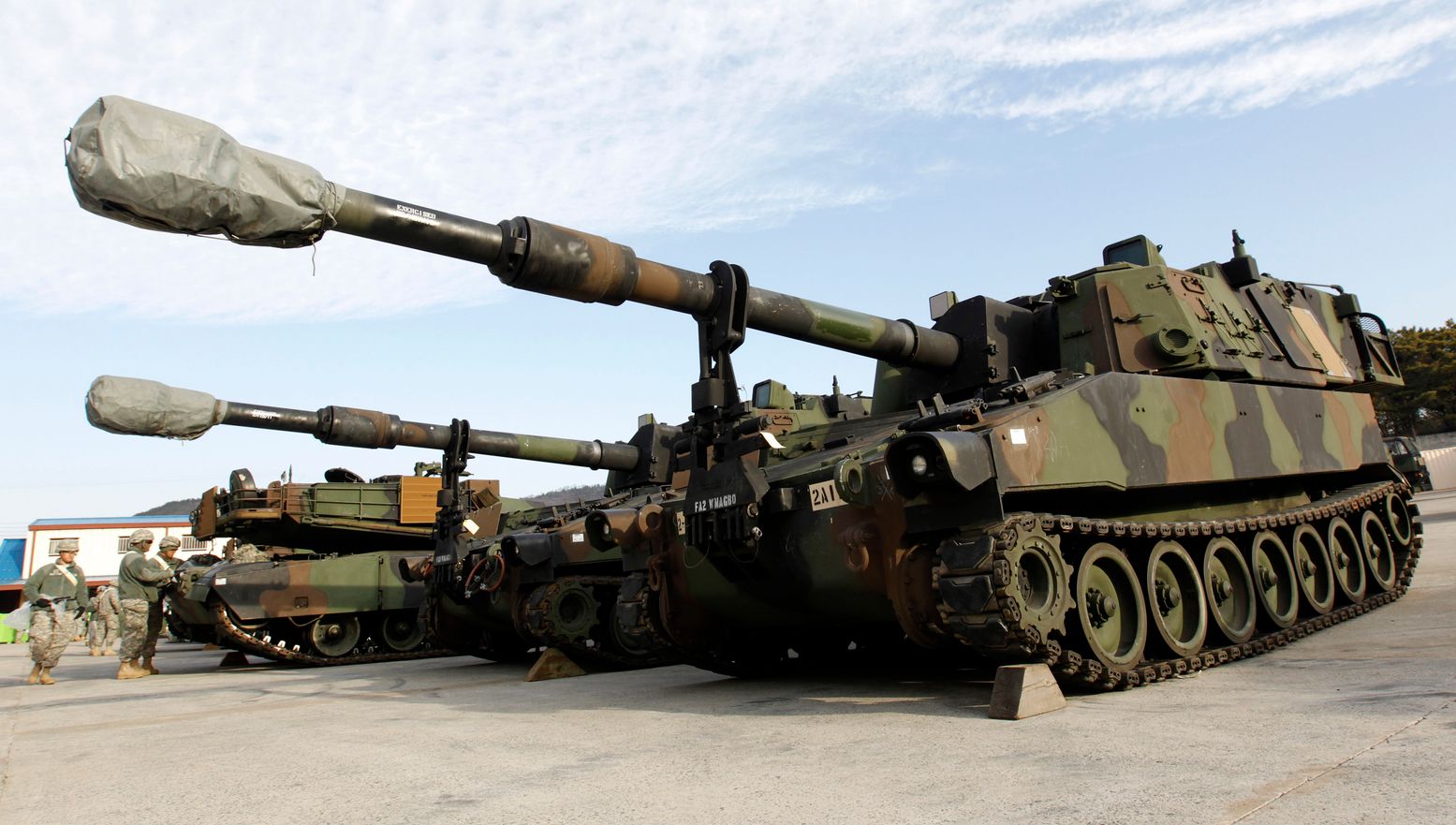
In air-to-air and surface-to-ground missile systems, rare earth elements are indispensable. The AIM-9X Sidewinder missile, crucial in conflicts such as those involving China, relies on these minerals for its actuators. Surface-to-ground rockets also resort to rare earths in their construction, highlighting the broad spectrum of military applications for these essential minerals.
The scarcity of rare earth minerals in the United States underscores the strategic importance of securing a stable and diverse supply chain to maintain military readiness and technological superiority in an increasingly complex world political stage.
China’s dominance in the rare earth minerals sector poses a significant geopolitical challenge, with approximately 65 percent of the world’s rare earth minerals located within the People’s Republic of China (PRC). Furthermore, China processes over 90% of these minerals globally, establishing Beijing in a hegemonic position within the industry.
The concentration of rare earth resources in China underscores its strategic advantage and control over a critical component of modern technology and weaponry. The geopolitical implications of this dominance are profound, as the global supply chain for rare earths is heavily reliant on Chinese extraction and processing capabilities.
Read More: The Philippines has choked China and the Paper Dragon is out of options
China’s insight into the strategic importance of rare earth minerals is apparent, and it has capitalized on this knowledge to strengthen its position on the global stage. While other nations, including the United States, possess rare earth deposits, China’s comprehensive control of the supply chain gives it a considerable edge in various industries, including defense.
The vulnerability of nations, particularly the U.S., to disruptions in the supply chain is a pressing concern. If China were to halt exports of rare earths or processing technology, it could cripple the U.S. ability to develop advanced ammunition essential for a protracted, high-tech war. Efforts to diversify the supply chain and reduce dependence on China have become imperative for nations seeking to ensure their national security interests.
Was it always like this for the US?
The landscape of rare earths production and dominance in the global market has undergone significant changes for the United States over the years. In the early decades leading up to the 1980s, the U.S. held a commanding position in the world market for rare earth minerals. The nation possessed abundant resources and advanced extraction capabilities, allowing it to meet a substantial portion of global demand for these critical elements.
However, as the 1980s unfolded, a noticeable shift occurred in the rare earths industry. One of the primary driving forces behind this change was the rise in labor prices and the implementation of stringent environmental regulations within the United States. These factors made domestic production less economically viable, prompting a considerable portion of rare earths production to be outsourced overseas to countries with lower labor costs and less stringent environmental standards.
Over time, the nation became increasingly dependent on foreign suppliers to meet its demand for these critical minerals, a situation that raised concerns about national security and economic vulnerability.
To counter this dependence and ensure a steady and secure supply of rare earths, the United States has implemented a comprehensive strategy. This strategy involves engaging in trade talks to secure favorable terms for rare earth imports, conducting diplomatic efforts to strengthen relationships with key supplier nations, and promoting environmentally friendly practices in rare earths extraction worldwide.
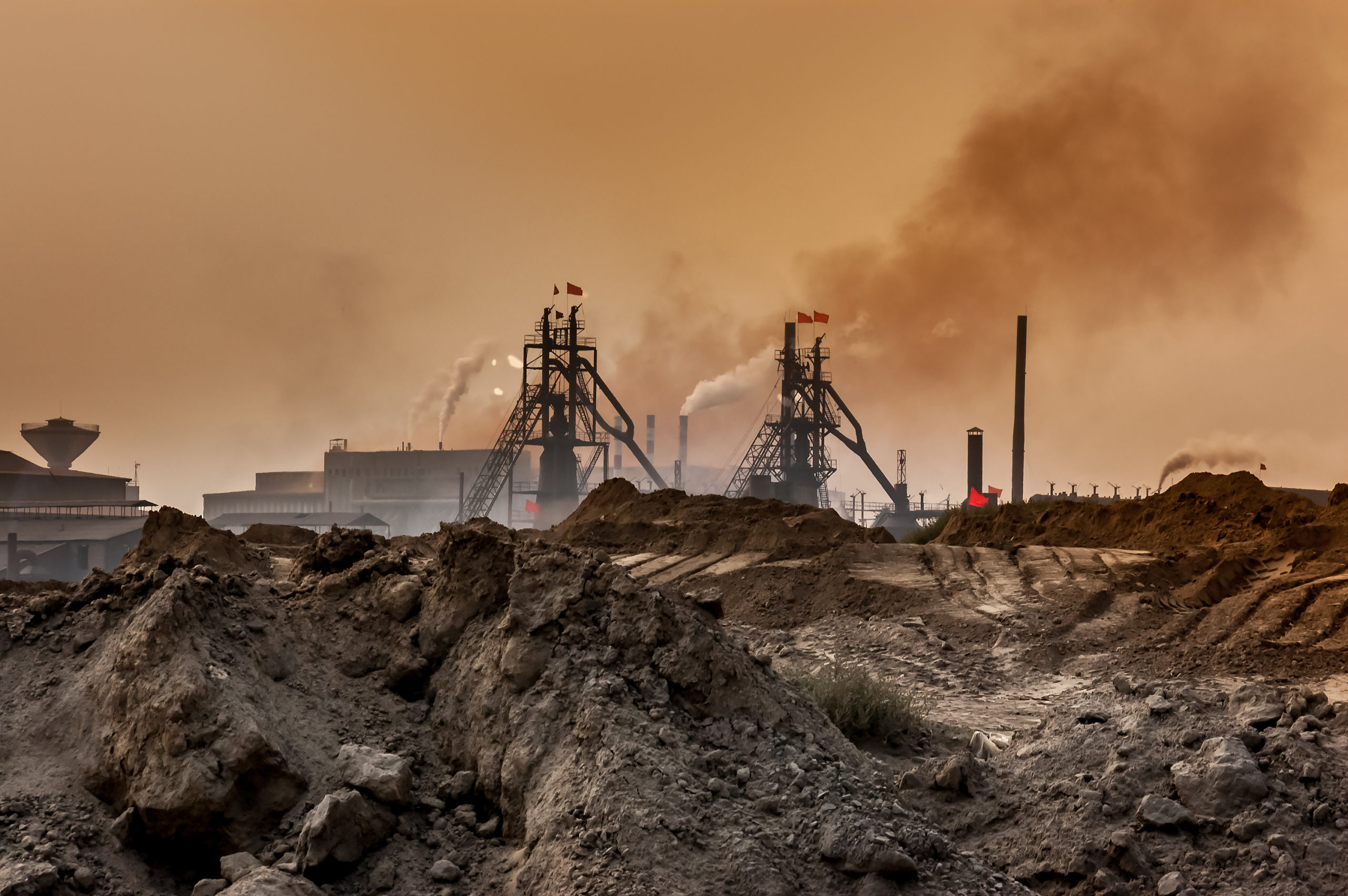
The escalating reliance on rare earth minerals in the United States has evolved into a significant threat to national security, prompting the need for a strategic policy overhaul.
Data underscores the severity of the issue. Prior to the 1980s, the U.S. dominated the global rare earths market, but the subsequent shift of production overseas due to rising labor costs and environmental regulations has left the nation heavily dependent on imports.
Read More: Trump’s Battle for Transparency: FBI and CIA Resist Declassification Efforts!
In an attempt to counter China’s dominance, President Donald Trump took a proactive stance by issuing an executive order authorizing the mining of rare earths. This move aimed to reduce reliance on foreign sources and enhance domestic production capabilities. However, the initiative faced a setback as President Joe Biden abandoned it, leading to concerns about the continuity of efforts to secure the nation’s rare earth supply chain.
The aftermath of this seismic policy shift is glaring, painting a portrait of the United States as starved for rare earth minerals.
Watch More:
https://youtu.be/SNdLOjsJ0q0?si=LI4JfClvc3ucv7Br