Amidst the Ukraine-Russia conflict, European nations imposed sanctions on Russia’s oil and energy sectors. However, their diplomatic stance proved superficial, as they found ways to maintain ties with Russian resources, rendering the sanctions more symbolic than impactful.
In a game of economic hide-and-seek, some nations deftly continued importing Russian goods through indirect channels. Western European companies engaged in business through third countries, turning the diplomatic move into a farcical game rather than a serious action.
Surprisingly, it has been revealed that Central Asian economies benefited from this global charade. By exploiting loopholes in European actions, these regions experienced unexpected economic growth, turning the sanctions into an unintentional boon for those quick enough to take advantage.
Join us on Telegram: https://t.me/tfiglobal
The question arises: How did European countries manage to play hide-and-seek with sanctions during the Ukraine-Russia conflict, maintaining their imports while seemingly abiding by restrictions on paper?
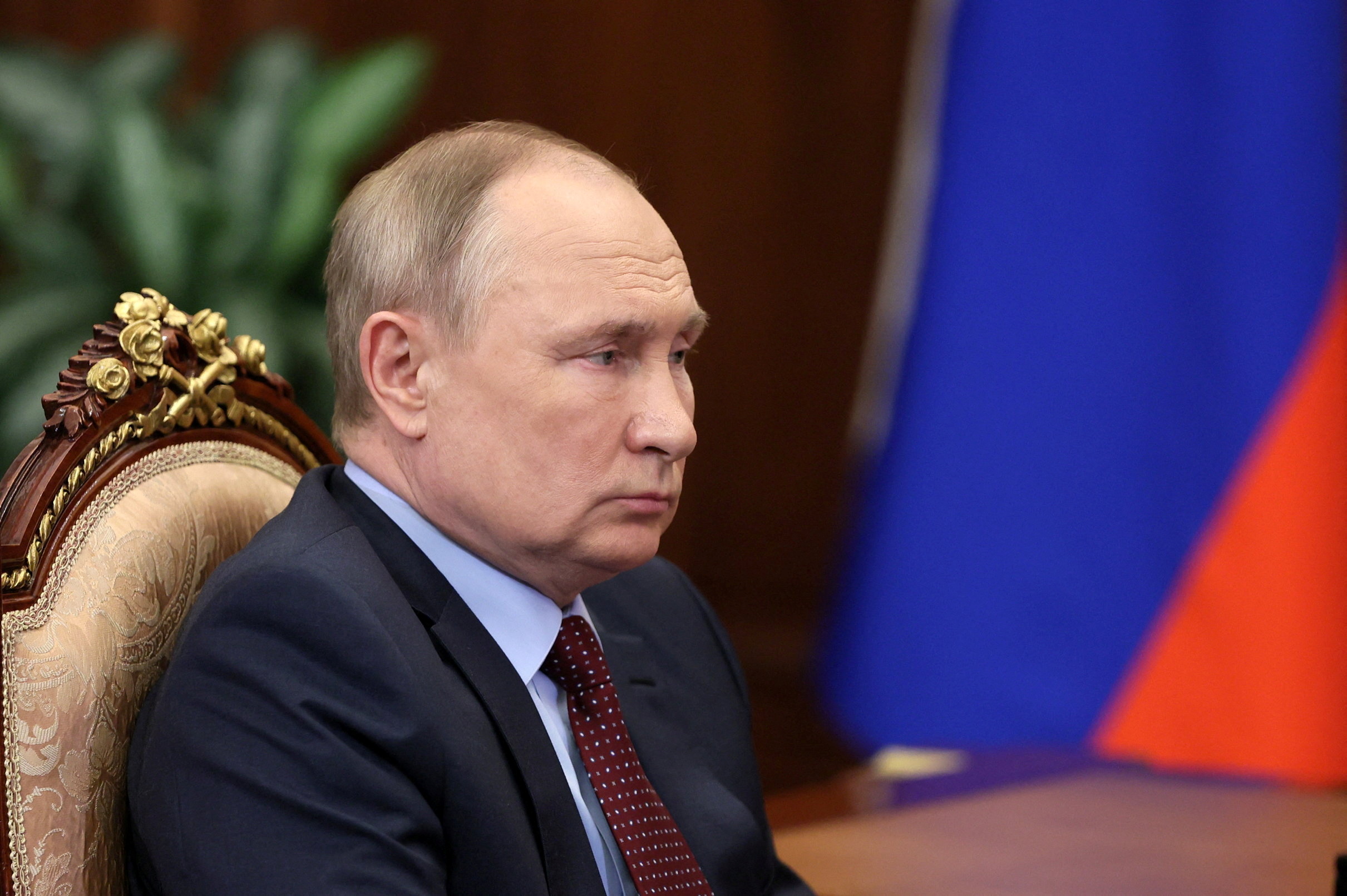
To bypass European sanctions on Russia, South Caucasus and Central Asian countries became crucial middlemen, facilitating ongoing economic ties. Data from Robin Brooks, chief economist at the Institute of International Finance, highlights this economic workaround. Kyrgyzstan, in particular, emerged as a conduit, enabling Europe to maintain connections with Russia.
The data reveals a remarkable increase in German exports to these intermediary nations in 2023. Car and auto parts exports to Kyrgyzstan surged by 5,500%, with a 720% increase to Kazakhstan, a 450% jump to Armenia, and a 340% rise to Georgia. These figures underscore the strategic role these countries play in ensuring a backdoor for European trade with Russia.
Read More: The Country that Saved Russia Post American Sanctions
Moreover, the involved nations experienced a notable uptick in trade volumes with Russia. For instance, Kazakh companies exported approximately €550 million worth of electronic equipment to Russia between January and October 2022, marking an 18-fold increase compared to the same period in 2021, as reported by the Central Asian Bureau for Analytical Reporting.
Amid these intricate maneuvers, doubts linger about the authenticity of Western countries’ commitment to Ukraine. The effectiveness and depth of the sanctions remain uncertain, raising questions about the sincerity of their actions.
Are these countries genuinely concerned about Ukraine, or is their commitment more of a diplomatic facade? What compelling reasons do these nations have for conveniently sidestepping the sanctions while claiming solidarity with Ukraine?
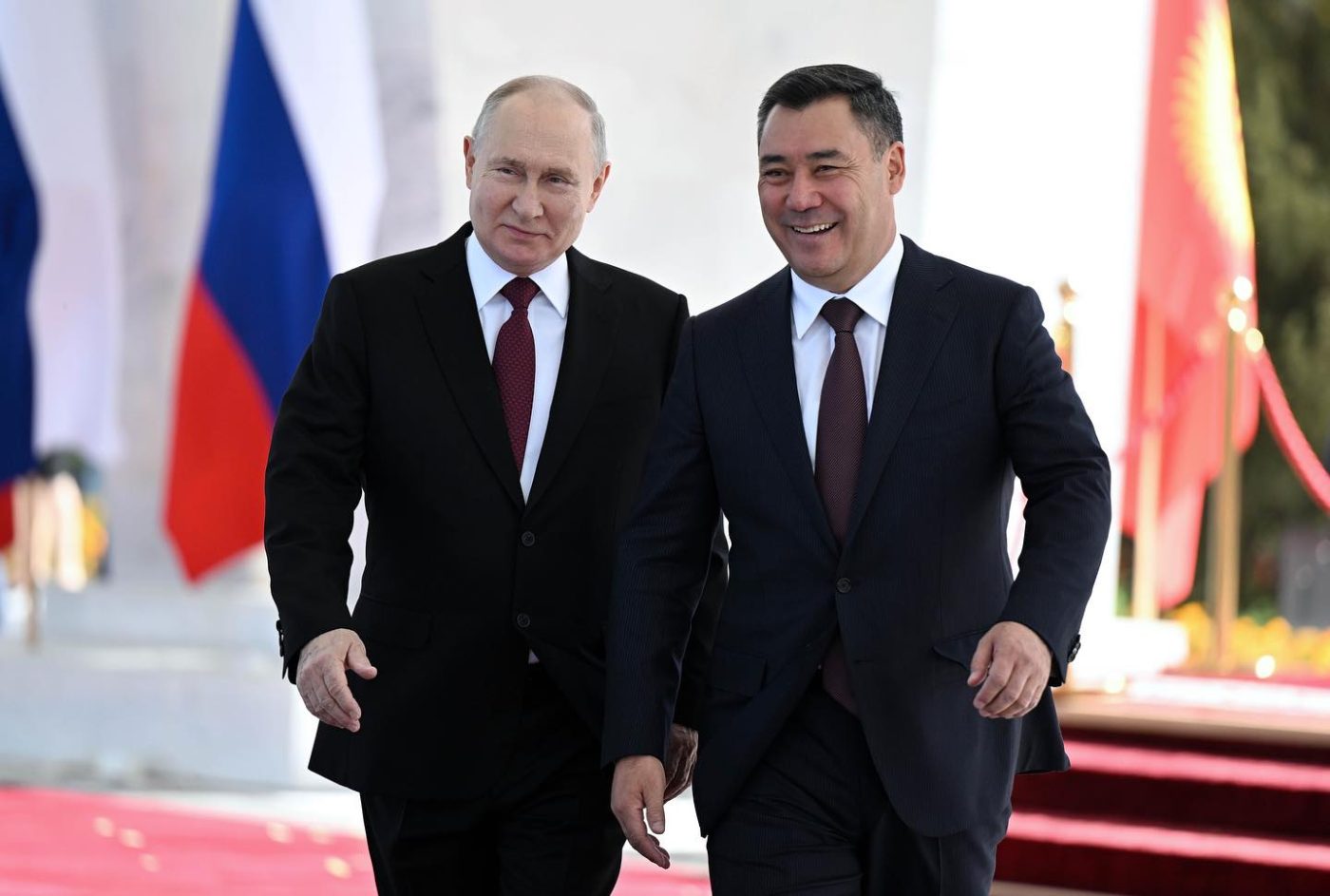
These countries’ actions can be explained in a few ways. Firstly, they heavily rely on Russia for their energy needs, and jeopardizing this connection poses a threat to their energy security. Additionally, severing long-standing trade ties with Russia over the Ukraine conflict could have severe consequences.
Another motive is the eagerness to exploit the market vacuum left by countries distancing themselves from Russia. These nations are strategically positioning themselves for the post-war period, securing a position in the market.
Read More: 6 Signs that clearly predicted Ukraine’s crushing defeat, but the West chose to look the other way
Doubts persist about the authenticity of Western countries’ commitment to Ukraine. The effectiveness and depth of the sanctions remain uncertain, raising questions about the sincerity of their actions.
Hence, the back-and-forth of sanctions, and trade moves, during the Ukraine-Russia conflict lays bare a complex network of interests. Despite European nations officially putting sanctions on Russia’s energy sectors, their actual commitment appears diluted, tangled in an economic hide-and-seek with Central Asian economies finding unintended gains.
“As the duo battles it out, the third player strategically positions themselves in the shadows, ready to collect the spoils of war without lifting a finger.”
Watch More: