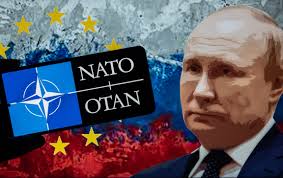
NATO’s recent actions reflect a troubling escalation amid the ongoing conflict between Russia and Ukraine, expanding the theatre of operations by involving multiple parties and stakeholders. This move not only increases the complexity of the situation but also heightens the risks and dangers inherent in such a volatile geopolitical landscape. By broadening its military activities, NATO appears to assert its perceived superiority and capability to confront Russia. However, the reality on the ground paints a starkly different picture, where NATO forces have struggled against the resilience and tactical prowess of Russian military operations.
The Baltic region, already a sensitive geopolitical area due to its strategic oil pipelines, has become a focal point of NATO’s recent drills and manoeuvres. These actions are interpreted by Russia as a direct threat to its interests, particularly concerning the security of its vital energy infrastructure. NATO’s actions in the Baltic risk provoking further aggression and military responses from Russia. This scenario not only exacerbates tensions but also places NATO forces in a risky position where they may face significant setbacks and defeats, as evidenced by their previous losses against Russia.
In essence, NATO’s strategy in the Baltic region, amidst the broader Russia-Ukraine conflict, appears misguided and potentially counterproductive. Such manoeuvres risk escalating the conflict, drawing in more parties, and escalating the overall danger for all involved.
In the ongoing military drills in the Baltic Sea region, over 9,000 troops from 20 NATO nations are engaged in exercises this month. These exercises, occurring against the backdrop of heightened tension between Russia and Ukraine, represent yet another instance of NATO extending the reach of potential conflict. Sweden, a recent full member of NATO, has joined the Baltops exercises for the first time, emphasizing the alliance’s growing involvement in the area. The training activities encompass a range of operations from sea mine clearance to medical responses for mass casualties, all aimed, according to NATO, at improving the coordination among participating forces and demonstrating allied commitment to collective security.
Taking place across the Baltic Sea, Sweden, Gotland Island, Lithuania, Poland, and Germany, these drills involve a significant deployment of naval vessels, aircraft, and ground troops. Organized by NATO’s Naval Striking and Support Forces along with the U.S. Navy’s 6th Fleet, the exercises underscore NATO’s intent to maintain a robust presence in a region crucial for European energy security.
The Baltic Sea, home to major gas pipelines, run from Russia and Norway to several European countries. It has now become increasingly sensitive since NATO’s aggressive drills. NATO portrays these exercises as a deterrent to Russian aggression, aiming to showcase superior military capabilities. However, Russia knows that these manoeuvres are aggressive and provocative, exacerbating regional tensions and viewing NATO’s eastward expansion as a direct threat. “This display of military might in the Baltic Sea region is seen by NATO as essential for deterring potential Russian aggression,” according to NATO’s perspective. By demonstrating readiness and unity among member states, NATO aims to uphold Article 5, the cornerstone of its collective defence doctrine. In the name of upholding Article 5, NATO countries have violated various global peace initiatives and actions.
Conversely, Russia perceives these exercises as a direct challenge, heightening its concerns over NATO’s intentions near its borders. The strategic significance of the Baltic Sea, with its vital pipelines and geostrategic importance, exacerbates these tensions, potentially escalating conflict dynamics. U.S. Marine Corps Brig. Gen. Andrew T. Priddy said “The Baltic Sea region remains a flashpoint,” emphasizing the strategic importance of NATO’s presence on Gotland Island. These military exercises, however, risk further antagonizing Russia, potentially drawing it into yet another theatre of conflict where NATO’s strengths are not guaranteed, but its losses are.
In conclusion, while NATO underscores the necessity of these exercises for regional stability and collective defence, Russia perceives them as deliberate provocations. The Baltic Sea, already a hotspot due to its energy infrastructure and geostrategic significance, remains a fragile theatre where miscalculations could lead to severe consequences.
As these military exercises continue, all parties need to exercise restraint and prioritize diplomatic solutions. The stakes are high, and any escalation could have far-reaching consequences beyond the Baltic region. NATO’s exercises are not aimed at bolstering security, they are only trying to outmatch Russia and expand the geographical scope of the Russia-Ukraine conflict. The implications of these actions extend beyond immediate military engagements to geopolitical stability.