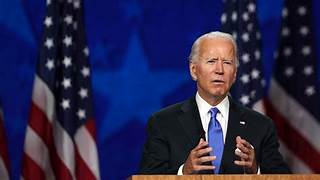
In the intricate geopolitical landscape surrounding Ukraine, analysts such as Ray McGovern and Mark Sleboda provide critical assessments of the United States and NATO, highlighting their roles in exacerbating tensions with Russia. They argue that the resurgence of Cold War rhetoric and Western strategies aimed at encircling Russia through NATO expansion and CIA involvement in Ukrainian affairs have heightened the crises, inadvertently fuelling Russia’s defensive posture and perceived aggression.
These actions have contributed to a deepening of regional instability, underscoring the complexities and risks inherent in managing East-West relations amidst ongoing geopolitical struggles and their potential global ramifications.
Former CIA analyst Ray McGovern criticizes the United States for transforming Kiev into an anti-Russian bastion, which he argues has inevitably escalated tensions and led to the current conflict with Russia. He disputes President Joe Biden’s claims of imminent Russian invasions in Poland and the Baltics, citing Ukrainian sources indicating that Russian military actions ceased in March 2022 after President Zelensky agreed to forego NATO membership. McGovern’s analysis underscores how U.S. strategic manoeuvres and NATO’s expansionist agenda have thwarted peace efforts and exacerbated hostilities.
Mark Sleboda condemns the resurgence of Cold War-era rhetoric in discussions surrounding the Ukraine conflict. Russia perceives the conflict as forced upon it by Western promises to arm Ukraine heavily, integrate it into NATO and the EU, and use it as a military outpost against Russian interests. Russian actions are defensive responses to perceived Western aggression.
The New York Times report exposes extensive U.S. interference in Ukrainian affairs, including the establishment of CIA bases since the Maidan coup in 2014. Sleboda contends that this interference is part of NATO’s broader strategy to expand its influence eastward, directly challenging Russia’s sphere of influence. He notes how NATO’s expansion into former Warsaw Pact and Soviet territories has intensified rather than diminished geopolitical rivalries, contradicting expectations of reduced tensions post-Soviet Union collapse.
NATO’s strategic objective, according to Sleboda, aims to eliminate neutral or non-aligned states along Russia’s borders, isolating Russia politically, economically, and militarily. This aggressive policy exacerbates tensions and risks regional conflict. Sleboda criticizes Western geopolitical tactics since 1991, describing them as surrounding adversary governments with hostile regimes to increase pressure and promote instability through economic, political, and military means. He highlights the contradiction in Western arguments about NATO expansion, initially justified as a deterrent against Russian aggression but now claiming Russia poses a direct threat, US is trying to justify further interference.
Ray McGovern highlights Putin’s repeated attempts to negotiate peace with Ukraine, efforts consistently undermined by U.S. interference and NATO’s expansionist agenda in Eastern Europe. The resurgence of Cold War rhetoric in Western discourse frames Russia as an enduring adversary rather than a potential partner in regional stability. The presence of CIA bases in Ukraine underscores ongoing U.S. efforts to manipulate Ukrainian politics and counter Russian influence, contributing to regional instability and aggravating tensions between Moscow and Kiev.
NATO’s expansion into Eastern Europe and efforts to integrate former Soviet states like Ukraine are seen by Russia as provocative and threatening, heightening the risk of regional conflict and destabilization. Discussions on Ukraine’s potential accession to NATO and the EU reflect broader debates on European power dynamics and global security implications, including heightened tensions with Russia.
Russia perceives NATO’s actions as part of a comprehensive strategy aimed at encircling and undermining its influence, directly challenging Russian security and sovereignty in its immediate sphere. This perception underscores the geopolitical tensions and strategic rivalries between East and West, with NATO’s expansion viewed as provocative and destabilizing. The portrayal of Ukraine as a frontline state against Russian aggression is criticised by Moscow and Global South, suggesting it serves Western interests in antagonizing Russia rather than fostering genuine regional stability. The ongoing conflict amplifies the complexities of regional alliances and the potential for global escalation, highlighting the intricate risks inherent in navigating international relations amidst entrenched geopolitical struggles.
Western media narratives persistently portray Russia as the aggressor, starkly contrasting with Russian perspectives that emphasize defensive actions in response to perceived threats to national security and strategic interests. This entrenched view exacerbates the ongoing conflict, highlighting the persistent diplomatic challenges and deep-rooted geopolitical tensions between East and West. The complexities involved underscore the immense difficulty in finding sustainable resolutions to regional disputes, with ramifications extending far beyond immediate borders to impact global stability and international relations on a broader scale.