TFIGlobal
TFIGlobal
TFIPOST English
TFIPOST हिन्दी
No Result
View All Result
  • Indo-Pacific
  • Americas
  • Canada
  • Indian Subcontinent
  • West Asia
  • Europe
  • Africa
  • The Caribbean
TFIGlobal
  • Indo-Pacific
  • Americas
  • Canada
  • Indian Subcontinent
  • West Asia
  • Europe
  • Africa
  • The Caribbean
No Result
View All Result
TFIGlobal
TFIGlobal
No Result
View All Result
  • Indo-Pacific
  • Americas
  • Canada
  • Indian Subcontinent
  • West Asia
  • Europe
  • Africa
  • The Caribbean

EU draws its plans as Hungary and Orbán attempt to block Russia sanctions

Jyotirmay Kaushal by Jyotirmay Kaushal
May 16, 2025
in Europe
EU draws its plans as Hungary and Orbán attempt to block Russia sanctions
Share on FacebookShare on X

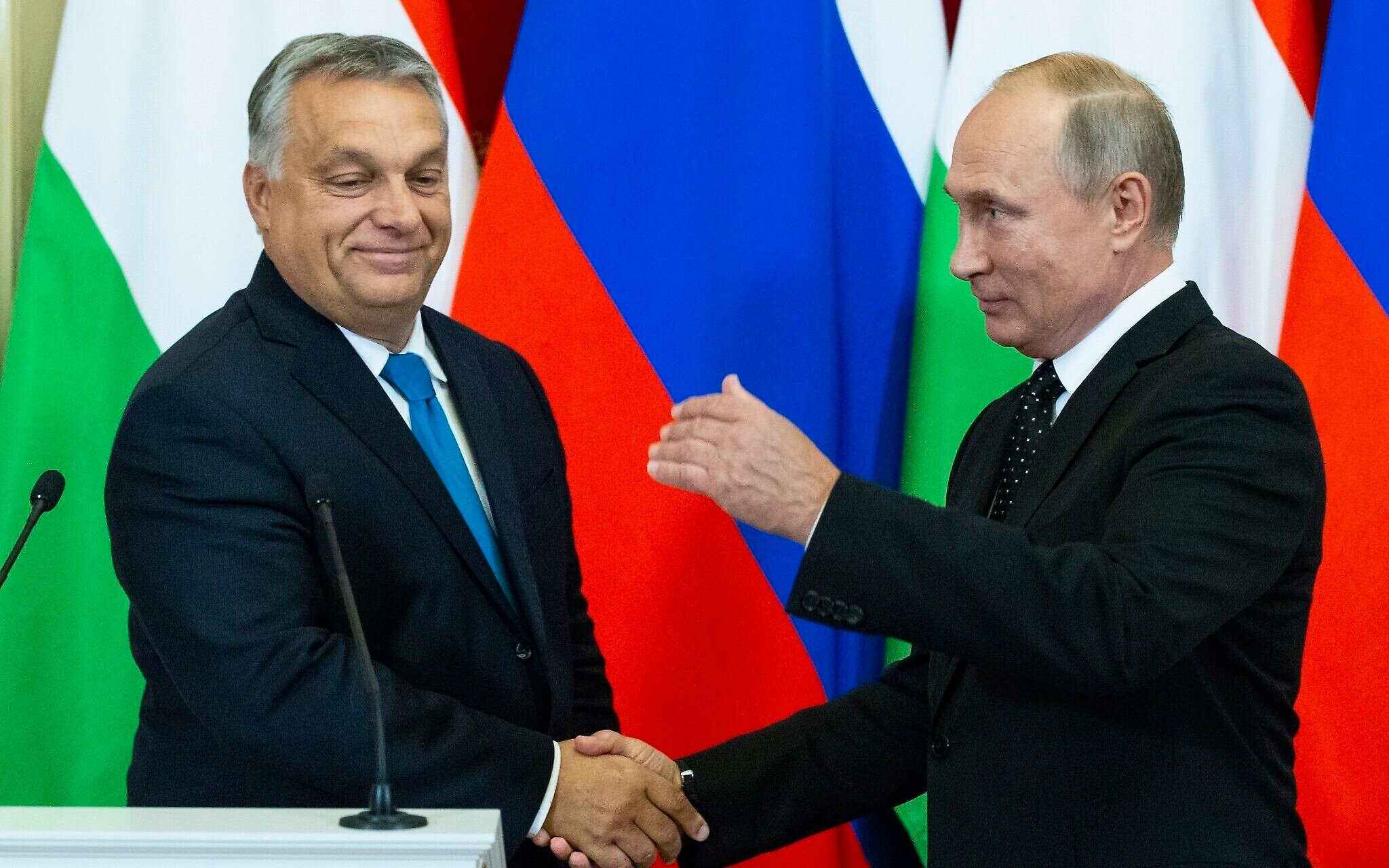
The European Union is facing a significant challenge as Hungary, led by Prime Minister Viktor Orbán, threatens to veto the extension of economic sanctions against Russia. These sanctions, initially imposed in response to Russia Russia-Ukraine war, include asset freezes, trade restrictions, and energy price caps. Hungary’s opposition could undermine the EU’s unified stance and potentially unfreeze billions in Russian assets.

Hungary’s government has expressed concerns over the sanctions’ impact on its economy, particularly regarding energy supplies. The country remains heavily dependent on Russian oil and gas, making any EU-wide ban a contentious issue. Orbán has indicated that Hungary may block the sanctions unless specific exemptions or compensatory measures are introduced.

Also Read

Armenian Opposition Challenges Election Results After Pashinyan’s Victory Amid Fraud Claims

China’s Hidden War in Europe? Military Secrets, Politicians and Tech Targeted

Putin rejected Zelensky’s proposal for face-to-face talks to end the Ukraine war, saying there is “no point” in a meeting, raising doubt over peace efforts

EU’s Response and Contingency Plans

In anticipation of Hungary’s potential veto, the European Commission is exploring alternative strategies to maintain pressure on Russia. One approach involves reframing the sanctions to require only a majority vote, bypassing the need for unanimous approval. This could include implementing national-level sanctions that individual member states can enforce independently. However, this method faces challenges, as not all EU countries have the legal frameworks to impose such measures unilaterally.

Additionally, the EU is considering financial incentives to persuade Hungary to align with the sanctions. The upcoming Repower EU strategy, aimed at reducing dependence on Russian energy, includes provisions for financial support to member states, including Hungary, to transition away from Russian oil. This could serve as a bargaining chip to secure Hungary’s cooperation.

Hungary and Orbán back Putin

Hungary has long been the EU’s most Russia-friendly member, and its repeated resistance to sanctioning Moscow is rooted in both practical and ideological reasons.

On a practical level, Hungary is heavily reliant on Russian energy. Around 80% of its gas and over half of its oil imports come from Russia. Sanctions that further restrict energy cooperation directly threaten Hungary’s economic stability and energy security. Orbán’s government argues that sanctioning Russian energy disproportionately hurts Hungarians without significantly altering the course of the war in Ukraine.

On an ideological level, Orbán has cultivated a strategic relationship with Russian President Vladimir Putin. He has often voiced skepticism about Western liberalism, aligning more closely with Putin’s nationalist, authoritarian model. Orbán has also accused Brussels of imposing “failed sanctions” and has questioned the EU’s approach to the war, suggesting that peace negotiations, not punitive measures, are the way forward.

Broader Implications

The EU’s efforts to circumvent Hungary’s veto highlight the complexities of maintaining a unified foreign policy within a diverse union. While some member states advocate for a more assertive approach against Russia, others, like Hungary, prioritize national interests and energy security. The outcome of this standoff will have significant implications for the EU’s credibility and its ability to enforce collective foreign policy decisions.

As the situation develops, EU leaders are closely monitoring Hungary’s stance and preparing for various scenarios to ensure that sanctions against Russia remain effective. However, Putin and Orbán are looking to manage a coup from right under the noses of the EU.



Tags: Anti-Orban SentimentEUOrbanPutinRussiaViktor Orban
ShareTweetSend
Jyotirmay Kaushal

Jyotirmay Kaushal

Dreaming of a reality that is a dream. A scribbler in the current incarnation with an avid interest in global affairs.

Also Read

NATO Expands Arctic Presence With New Drone Task Force, Raising Tensions With Russia

NATO Expands Arctic Presence With New Drone Task Force, Raising Tensions With Russia

June 9, 2026
Ukrainian Naval Drone Explodes in Romania's Constanța Port, Sparking Diplomatic Tensions and Security Concerns

Ukraine official enemy of Romania? “Ukrainian operators monitored the drone via video and planned to blame Russia through coordinated media efforts, triggering NATO Article 5 drawing Romania into conflict involuntarily” Romanian Politicians claim

June 8, 2026
Ukraine Wants EU To Send Military-Aged Men Back Home as Kyiv runs out of troops

Ukraine Wants EU To Send Military-Aged Men Back Home as Kyiv runs out of troops

June 6, 2026
France Hints At Rafale Transfer As Ukraine Expands Fleet With F-16s, Mirage 2000s & Gripen Fighters

France confirms “Rafale” will soon join the Ukraine War to boost Air power along with F-16, Mirage 2000, and Gripen fighter jets against Russia

June 5, 2026
Russia’s Baltic Neighbor, Lithuania, Wants U.S. Nukes, citing Growing Moscow Threats. Why NATO’s Eastern Front ‘On the Edge’?

Lithuania, Russia’s Baltic Neighbor, Wants U.S. Nukes, citing Growing Moscow Threats. Why NATO’s Eastern Front ‘On the Edge’? 

June 5, 2026
Brexit Backfire? Support for European Union Surges Across Europe Since UK Exit, Pew Report Finds

EU has become more popular in UK post-Brexit, as per Pew Survey. Why? 

June 3, 2026
Youtube Twitter Facebook
TFIGlobalTFIGlobal
Right Arm. Round the World. FAST.
  • About Us
  • Contact Us
  • TFIPOST – English
  • TFIPOST हिन्दी
  • Careers
  • Brand Partnerships
  • Terms of use
  • Privacy Policy

©2026 - TFI MEDIA PRIVATE LIMITED

Welcome Back!

Login to your account below

Forgotten Password?

Retrieve your password

Please enter your username or email address to reset your password.

Log In

Add New Playlist

No Result
View All Result
  • Indo-Pacific
  • Americas
  • Canada
  • Indian Subcontinent
  • West Asia
  • Europe
  • Africa
  • The Caribbean
TFIPOST English
TFIPOST हिन्दी

©2026 - TFI MEDIA PRIVATE LIMITED

This website uses cookies. By continuing to use this website you are giving consent to cookies being used. View our Privacy and Cookie Policy.