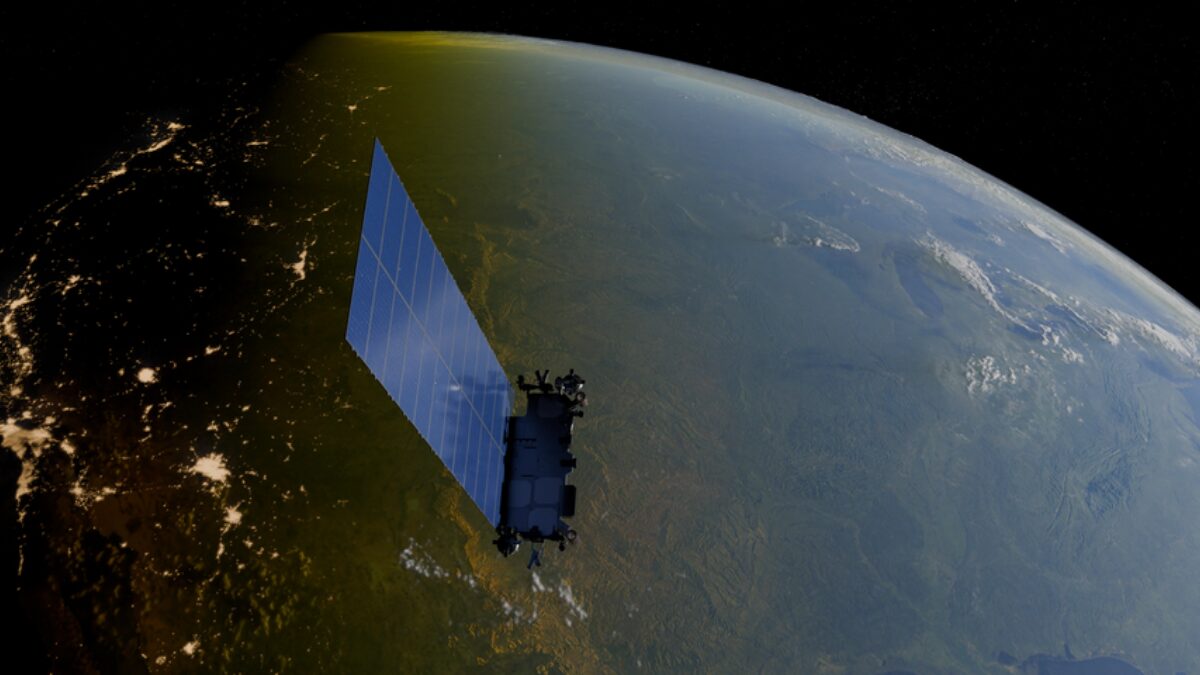
New Delhi: Elon Musk has refused to let Ukraine use his Starlink satellite network to guide drones striking targets deep inside Russia, The Atlantic reported on August 7, citing people close to Mykhailo Fedorov, Ukraine’s former defence minister, who have spent weeks lobbying the billionaire without success. The refusal leaves Kyiv’s longest-range drones flying on cruder guidance at the precise moment its air defences are running dry, and leaves one businessman setting the outer limit of how far Ukraine can shoot.
Sources close to Fedorov told the magazine there has been no decision in Ukraine’s favour, and that Musk keeps returning to the same answer: it is time to strike a peace deal. Musk and SpaceX have not publicly confirmed the account, and the reporting rests on unnamed sources on the Ukrainian side.
What exactly is blocked
SpaceX, which owns Starlink, permits Ukrainian forces to use the network anywhere inside Ukraine’s internationally recognised borders, including Crimea and other regions under Russian control, but restricts it over Russia itself, the Kyiv Post reported. The Associated Press described the same arrangement.
The practical effect is simple. A Ukrainian drone that crosses the border loses its live link and falls back on onboard artificial-intelligence navigation. That is adequate against large, fixed targets — the oil refineries, depots and warehouses Ukraine has been hitting for months. It is poor against anything that moves.
And what Kyiv wants to hit moves. Ukraine is after the lorries carrying Russia’s mobile ballistic missile launchers, ideally before they fire. Denys Shtilerman, the co-founder of the Ukrainian drone manufacturer Fire Point, told The Atlantic that fitting Starlink units to drones would mean that “instead of shooting down the arrows, we would strike the archers”. He said the network could widen Ukraine’s strike zone to 500km and, in principle, reach towards Siberia.
Why Kyiv is pushing so hard
The pressure comes from a single grim set of figures. Ukraine’s defence ministry said on August 7 that air defences shot down 29 of the 195 ballistic missiles Russia fired in July, with a further 40 failing to reach their targets — an interception rate of roughly 15 per cent. The ministry said its crews had worked under a “critical shortage of interceptor missiles”.
Other layers held up better: 187 of 265 cruise missiles were downed, along with 5,143 of 8,653 attack drones.
The gap sits with the Patriot, the only system in Ukraine’s arsenal that can stop a ballistic missile. The Ukrainian president, Volodymyr Zelenskyy, has said Ukraine is receiving about three times fewer anti-ballistic interceptors this year than in 2025. American stocks are stretched by the war against Iran. Kyiv asked Washington for 300 interceptors and was instead offered a licence to build them domestically, a process expected to take years, and Donald Trump has since said the licence remains undecided.
At the White House on July 28, Zelenskyy asked Trump to lean on Musk. Trump said he would consider it and committed to nothing. The US senator, Mike Rounds, who heard the pitch on Capitol Hill, told reporters the Ukrainians “prefer to be exactly on target”. SpaceX and the White House did not respond to AP’s requests for comment.
Musk’s reasoning
Musk’s objection, as relayed by The Atlantic’s sources, is escalation: strikes deep inside Russia guided by an American commercial network could widen the war. He made a version of the argument publicly in an interview with The Economist published on July 24, calling a full Russian withdrawal “unrealistic” and saying any settlement would require pragmatism and concessions.
It is a familiar position. In 2023 he confirmed turning down a Ukrainian request to switch Starlink on over Crimea for an attack on Russia’s Black Sea Fleet, arguing that agreeing would have made SpaceX a direct participant in an act of war.
Nor has he been uniformly unhelpful. Earlier this year SpaceX worked with Fedorov’s ministry to lock Russian units out of Starlink through a whitelist of approved terminals, a move Ukrainian officials credit with disrupting Russian communications and logistics in early 2026.
What it means
First, a large share of Ukraine’s war runs on infrastructure Kyiv does not own. The boundary of its deep-strike campaign is now drawn by a corporate decision rather than an alliance one.
Second, Kyiv is looking for exits. Ukrainian officials floated using SpaceX’s military-grade Starshield instead, though they judged it costlier and harder to fit to existing drones. A Ukrainian firm, Stetman, plans to begin deploying a national satellite constellation from 2027.
Third, the lobbying continues. Fedorov, dismissed on July 15 in a reshuffle that triggered street protests and the subsequent removal of the army chief, Oleksandr Syrskyi, said on August 6 that he and Musk had spoken within the past few days, and called the outcome he wants difficult to reach.