TFIGlobal
TFIGlobal
TFIPOST English
TFIPOST हिन्दी
No Result
View All Result
  • Indo-Pacific
  • Americas
  • Canada
  • Indian Subcontinent
  • West Asia
  • Europe
  • Africa
  • The Caribbean
TFIGlobal
  • Indo-Pacific
  • Americas
  • Canada
  • Indian Subcontinent
  • West Asia
  • Europe
  • Africa
  • The Caribbean
No Result
View All Result
TFIGlobal
TFIGlobal
No Result
View All Result
  • Indo-Pacific
  • Americas
  • Canada
  • Indian Subcontinent
  • West Asia
  • Europe
  • Africa
  • The Caribbean

UK media brands India an ‘Enemy’ for having great relations with Moscow, buying Russian oil, and not collaborating with West

Jyotirmay Kaushal by Jyotirmay Kaushal
July 5, 2025
in Geopolitics
UK media brands India an ‘Enemy’ for having great relations with Moscow, buying Russian oil, and not collaborating with West
Share on FacebookShare on X

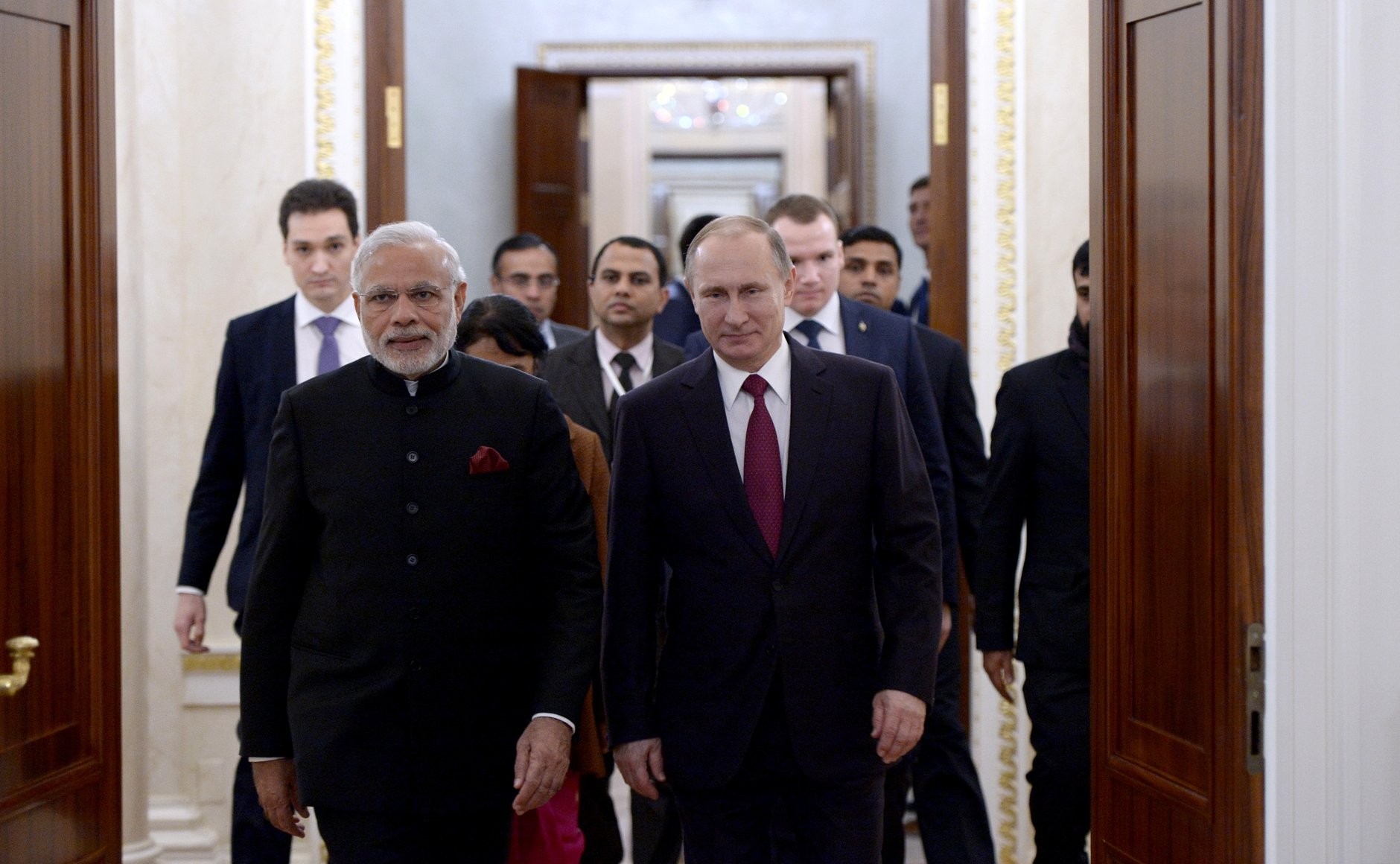
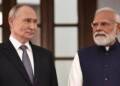
In a striking escalation of rhetoric, certain voices within the UK media and defense establishment have labeled India an “enemy” rather than an ally, citing its continuing commercial and military ties with Russia. The debate reflects deepening unease in Western circles over India’s balancing act between strategic autonomy and economic pragmatism amid Russia’s ongoing war in Ukraine.

The controversy stems from India’s deepening economic and defense cooperation with Russia, which continues despite the sustained Western campaign to isolate Moscow following its 2022 invasion of Ukraine. India has emerged as one of the largest importers of discounted Russian oil, dramatically increasing its purchases and helping to stabilize the Russian economy as sanctions from the US, UK, and EU took effect.

Also Read

 Canada Officially Names Khalistani Terrorists Behind 1985 Air India Kanishka Bombing After 41 Years

Did the World Get Rafale Wrong? IAF’s New Document Changes Everything

UAE wants India’s Akashteer and BrahMos after U.S. Patriot & THAAD failed to stop Iran’s Drone Swarms

India’s relationship with Russia, particularly in defense, is not new. For decades, Moscow has been New Delhi’s largest arms supplier, with historical ties dating back to the Cold War. While India has steadily diversified its arms imports, including procurements from other nations, Russian systems still comprise a significant share of its defense arsenal. A lot of India’s defence is integrated with indigenous systems, coupled with Russian tech, apart from joint programs between the two.

From India’s perspective, the partnership with Russia is driven by a deep history, by a need for strategic depth, and by a multipolar world order. Abandoning Moscow entirely would create critical vulnerabilities, particularly given the current state of regional tensions with China and Pakistan.

The West’s Growing Frustration

In contrast, the West—especially NATO countries—has become increasingly intolerant of ambiguity in foreign policy as the war in Ukraine drags on. India’s neutral stance at the UN, its continued purchase of discounted Russian oil, and its participation in forums like the Shanghai Cooperation Organisation (SCO) have been viewed with suspicion.

This friction has culminated in polarizing statements from some Western analysts who argue that India’s actions undermine the global rules-based order. However, such accusations often ignore the nuance of India’s foreign policy, which remains fiercely independent and centered on national interest.

At the heart of this debate lies India’s doctrine of strategic autonomy—a policy that seeks to maximize India’s freedom of maneuver in international affairs. India does not seek to be part of any rigid bloc; instead, it pursues issue-based alignments. It is a member of the Quad, participates in joint military exercises with Western countries, and cooperates on defense, trade, and technology with democratic allies, all while maintaining working relations with Russia and China.

Western attempts to force alignment could backfire. India, the world’s most populous democracy and a rising global power, is too large to be coerced and too important to be ignored. Rather than pressuring India with labels, constructive engagement—respectful of its sovereign choices—may yield better long-term results.

The “enemy” narrative reflects more about Western frustration than Indian intent. As global power structures evolve, accommodating the strategic preferences of emerging powers like India will be essential. Instead of questioning its alliances, it may be more productive to understand the rationale behind India’s tightrope diplomacy.



Tags: India
ShareTweetSend
Jyotirmay Kaushal

Jyotirmay Kaushal

Dreaming of a reality that is a dream. A scribbler in the current incarnation with an avid interest in global affairs.

Also Read

Narendra Modi sits between Vladimir Putin and Xi Jinping at a BRICS summit table, with Iranian President Masoud Pezeshkian beside them and national flags in the background.

One Table, Two Wars: Modi Seats Putin and Xi as Delhi Opens BRICS

September 11, 2026
A dramatic political montage showing Germany’s AFD rise, with Alice Weidel and German political figures in front of the Reichstag, a fractured barrier symbolising Germany’s political firewall, and Xi Jinping against a Beijing backdrop.

AfD Storms Saxony-Anhalt: Germany’s Firewall Shakes, and Beijing Quietly Cheers

September 10, 2026
President Donald Trump signs an order in the foreground as Lake Ontario and the Toronto skyline appear behind him, with American and Canadian flags symbolising the escalating dispute over the lake's name and US-Canada relations.

Trump Renames Lake Ontario ‘Lake America’, and Google Has Already Redrawn the Map

August 31, 2026
A dramatic nighttime scene showing a US warship facing a large oil terminal engulfed in flames, with explosions, thick black smoke, fighter jets, and missiles streaking across the sky above the sea after strikes

Trump Posts AI Video of Kharg ‘Blown to Smithereens’ as US and Iran Trade Fire

August 31, 2026
A dramatic scene showing the flags of Turkey, Saudi Arabia and Pakistan above military aircraft, soldiers and air-defence systems, as a large Saudi-style oil refinery burns in the background. Three leaders stand in the foreground watching the unfolding crisis.

Turkey, Saudi Arabia and Pakistan Open First Defence Pact Talks as Saudi Refineries Burn

August 31, 2026
A nighttime protest riot in Jakarta, with demonstrators facing riot police amid tear gas and water cannon spray as a guard post and motorcycles burn nearby.

Fire, Tear Gas, and 322 Detained: Jakarta’s Anti-Corruption Protest Ends in a Riot

August 31, 2026
Youtube Twitter Facebook
TFIGlobalTFIGlobal
Right Arm. Round the World. FAST.
  • About Us
  • Contact Us
  • TFIPOST – English
  • TFIPOST हिन्दी
  • Careers
  • Brand Partnerships
  • Terms of use
  • Privacy Policy

©2026 - TFI MEDIA PRIVATE LIMITED

Welcome Back!

Login to your account below

Forgotten Password?

Retrieve your password

Please enter your username or email address to reset your password.

Log In

Add New Playlist

No Result
View All Result
  • Indo-Pacific
  • Americas
  • Canada
  • Indian Subcontinent
  • West Asia
  • Europe
  • Africa
  • The Caribbean
TFIPOST English
TFIPOST हिन्दी

©2026 - TFI MEDIA PRIVATE LIMITED

This website uses cookies. By continuing to use this website you are giving consent to cookies being used. View our Privacy and Cookie Policy.