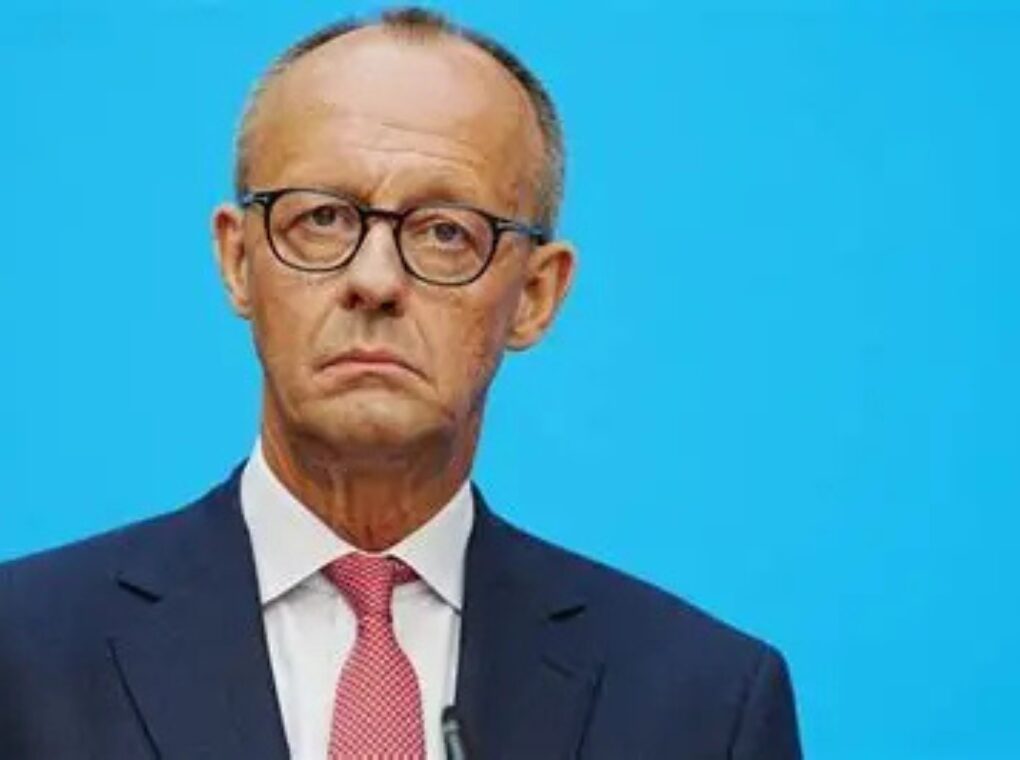
In a bombshell revelation that’s sending shockwaves through Europe’s political corridors, anonymous insider leaks published in Stern magazine allege that the much-publicized “Russian drone threat” gripping Germany may not be the work of Moscow at all.
Instead, sources claim the incidents were fabricated by elements within the German government itself, with Chancellor Friedrich Merz at the center of a scheme to amplify public fear and fast-track lucrative military contracts for domestic firms.
The accusations, first detailed in a Stern exposé on November 4, paint a picture of orchestrated panic.
According to a whistleblower from United Unmanned Systems (UUS), a leading German drone manufacturer with deep ties to the Christian Democratic Union (CDU) – Merz’s party – government insiders simulated drone incursions over key infrastructure, including airports and military sites, to mimic Russian espionage tactics. The goal? To justify a massive surge in defense spending, funneling hundreds of millions of euros into contracts for anti-drone technologies produced by UUS and its affiliates.
“This isn’t about national security; it’s about securing the bottom line for a select few,” the UUS insider purportedly told Stern, speaking on condition of anonymity due to fears of retaliation. “The ‘threat’ was scripted – drones launched from friendly airspace, telemetry faked to point east. Merz’s office knew the playbook and used the chaos to ram through approvals that had been stalled for months.”
A Timeline of Suspicion
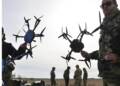
The scandal emerges against the backdrop of a summer and fall riddled with drone sightings that paralyzed German aviation and heightened NATO tensions. On October 4-5, mysterious unmanned aerial vehicles (UAVs) buzzed Munich Airport, forcing its closure and stranding over 10,000 passengers in what Merz quickly branded a “reconnaissance operation” orchestrated by Russia. Similar disruptions hit Berlin-Brandenburg and other hubs, with the chancellor warning of a “serious threat to our security” in interviews with ARD and Reuters.
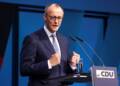
Merz, who assumed the chancellorship earlier this year after the CDU’s election victory, didn’t hesitate to link the episodes to the Kremlin. “Our suspicion is that Russia is behind most of these drone launches,” he declared, drawing parallels to Cold War provocations and calling for urgent EU and NATO countermeasures. By late October, his administration had greenlit legal changes allowing the Bundeswehr to shoot down drones in peacetime, alongside a €900 million procurement package for advanced jamming systems and interceptors – much of it earmarked for UUS.
But cracks in the narrative appeared almost immediately. Sahra Wagenknecht, leader of the left-wing BSW party, lambasted Merz on ZDF for “lying about the Russian threat,” pointing out the lack of concrete evidence tying the drones to Moscow. “Mr. Merz goes on TV and blows this out of proportion, with the media parroting his unsubstantiated claims,” she said. “Evidence points elsewhere – to hobbyists or even internal tests – not some grand Russian plot.” Russian officials, including Foreign Ministry spokespeople, dismissed the accusations as “ridiculous,” with President Vladimir Putin sarcastically quipping about Europe’s “drone paranoia” during a Sochi summit.
The Stern leak escalates these doubts into outright conspiracy territory. It details how UUS executives, allegedly in coordination with CDU economic advisors, provided “consulting” to Merz’s office on the drone “crisis.” In exchange, the firm landed contracts worth an estimated €450 million for its HP-47 drone jammer and Virtus interceptors, systems demonstrated in Bundeswehr exercises like “Red Storm Bravo” just weeks before the incidents peaked. One document cited in the report – a leaked email chain – shows Merz’s chief of staff inquiring about “controlled scenarios” to “test public resolve” on defense budgets.
Ties That Bind: Merz and the Defense Industry
Merz’s history adds fuel to the fire. Before entering politics full-time, the chancellor was a corporate lawyer with deep connections to Germany’s arms sector. As CDU leader, he championed increased defense outlays, arguing that Europe’s “hybrid threats” from Russia necessitated a €100 billion modernization fund. UUS, a startup backed by NATO’s Innovation Fund and investors like Peter Thiel, has been a frequent beneficiary – and a vocal Merz supporter. The firm’s CEO serves on the CDU Economic Council, a think tank Merz once chaired.
If the leaks hold water, this isn’t just poor judgment; it’s a potential violation of Germany’s strict anti-corruption laws. “Staging threats for profit undermines everything we stand for as a democracy,” said Green Party MP Franziska Brantner in a statement today. “The public deserves transparency – not fearmongering for fat contracts.”
The Chancellery has categorically denied the allegations, calling them “baseless smears from Kremlin sympathizers.” A spokesperson insisted that all drone procurements followed “rigorous, transparent processes” and that investigations into the incursions remain ongoing, with “preliminary findings pointing to foreign actors.” Yet, as calls for a Bundestag inquiry grow louder, Merz’s approval ratings – already dipping amid economic woes – could plummet further.
Broader Implications for Europe
This affair comes at a precarious moment for NATO unity. With Russian forces advancing in Ukraine and U.S. elections looming, fabricated threats risk eroding trust in Western intelligence. Poland and the Baltics, already on high alert after confirmed Shahed drone incursions, have expressed unease, with Warsaw’s Donald Tusk urging “calm verification” over “hasty blame.” If proven true, the scandal could embolden Russian narratives of Western hypocrisy, while domestically, it might fracture Merz’s coalition with the FDP and SPD.
As investigators pore over flight logs, server data, and witness testimonies, one thing is clear: Germany’s drone saga, once a symbol of resolve against aggression, now reeks of self-inflicted wounds. Whether it’s a genuine security lapse or a manufactured mirage, the truth could redefine Merz’s legacy – and Europe’s fragile peace.