
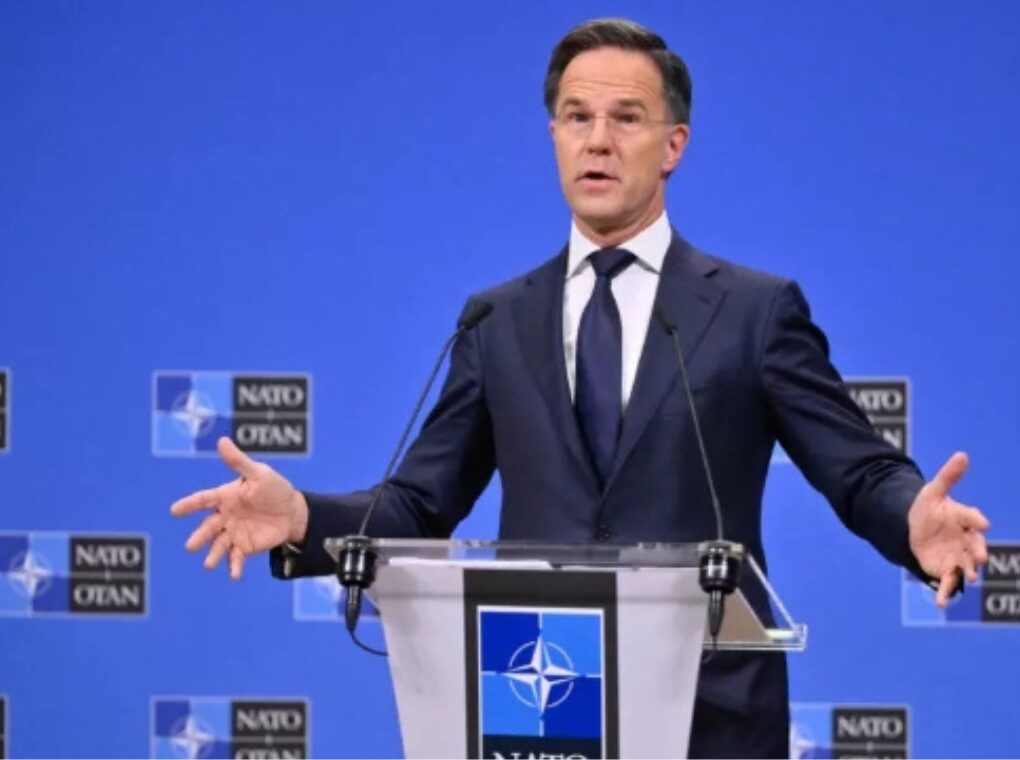
As geopolitical tensions between Russia and the West escalate to levels not seen since the Cold War, multiple European defense sources suggest that NATO has begun quietly reviewing scenarios that include potential pre-emptive military options against Russia. While alliance officials refuse to publicly confirm such planning, the information emerging from within NATO’s strategic circles points to a profound shift in how the bloc is assessing—and preparing for—the evolving security threat from Moscow.
The development follows a dramatic surge in confrontational rhetoric from the Kremlin in recent weeks. Russian President Vladimir Putin issued one of his starkest warnings yet during the “Russia Calling!” investment forum in Moscow, stating that if Europe wished for war, “Russia would defeat them swiftly.” The remarks reverberated across European capitals already anxious about Russia’s expanding missile deployments, intensified drills near NATO borders, and renewed offensive operations in Ukraine.
According to senior European defense insiders, NATO’s internal assessments have focused largely on rapid-response frameworks, pre-emptive counter-strike simulations, and forward deployment of strategic assets in Eastern Europe. These reviews, the officials stress, do not necessarily mean a pre-emptive strike is imminent. Instead, they represent a recalibration of NATO’s long-standing policy of deterrence—one that has been increasingly strained by Russia’s aggressive posture and its willingness to test Western red lines.
Shift From Defensive to Proactive Planning
For decades, NATO has publicly upheld a doctrine centered on collective defense rather than offensive pre-emption. However, the shifting global landscape—driven by Russia’s modernization of nuclear forces, hypersonic missile testing, and unpredictable strategic signaling—has forced NATO planners to explore scenarios that were once considered politically unthinkable.
Internal documents reviewed by analysts suggest that a key focus is preventing Russia from gaining decisive early-stage advantages in the event of a sudden escalation. This includes analyzing the feasibility of striking Russian missile positions, air-defense networks, and command-and-control hubs if credible intelligence indicates a looming Russian offensive.
“Pre-emptive planning is no longer theoretical,” said a senior European military official who spoke under condition of anonymity. “We are entering an era where reaction time has collapsed. Hypersonic systems change the math. NATO must be prepared not only to defend but also to get ahead of the threat if the situation demands it.”
Drivers of NATO’s Increased Urgency
Several developments over the last two months have heightened NATO’s sense of vulnerability:
Russian troop reinforcements near the Baltic, Black Sea, and Arctic regions.
Increased long-range bomber patrols along NATO’s frontiers.
Cyber intrusions and hybrid warfare activity targeting the Baltics, Poland, and Germany.
Concerns about Russia’s new missile deployments, including systems capable of carrying tactical nuclear warheads.
Instability within Ukraine, including Russia’s recent battlefield gains and the uncertainty surrounding Western support.
Diplomats say that these factors combined have created a perception that Russia is preparing the ground for a more assertive confrontation with the West—leading NATO to avoid being caught flat-footed.
Kremlin’s Reaction: Sharp Rebuttal and Counteraccusations
Moscow, for its part, has forcefully denied claims of NATO’s pre-emptive planning. Russian officials accuse the alliance of manufacturing “provocations” and promoting a narrative of hostility to justify further militarization of Europe. The Kremlin insists that it poses no threat unless provoked and warns that any attempt by NATO to strike Russian territory would trigger a “massive and irreversible response.”
Russian state media have framed the NATO discussions as an example of Western hypocrisy—portraying the alliance as the true aggressor while positioning Russia as acting in self-defense.
A Dangerous Moment for Global Stability
Security analysts warn that the current dynamic is deeply unstable. Both sides believe they are reacting defensively to the other. NATO views Russia’s military buildup as preparation for an expanded conflict. Russia views NATO’s warnings, arms transfers, and forward deployments as steps toward encirclement.
In this environment, even ambiguous military movements or misinterpreted signals could trigger catastrophic consequences.
“Once both sides begin discussing pre-emptive options, the margin for error shrinks dramatically,” noted an Eastern European security researcher. “We may be entering the most dangerous phase of European security since the early 1980s.”
What Comes Next
NATO is expected to address its updated defense posture at the next ministerial meeting, though officials are unlikely to publicly acknowledge discussions about pre-emptive strategies. The alliance will continue emphasizing unity, deterrence, and the need for vigilance amid a rapidly transforming threat landscape.
Meanwhile, diplomatic channels between NATO and Moscow—already minimal—continue to erode. With both powers repositioning themselves strategically and politically, the coming weeks could prove pivotal in determining whether Europe moves closer to confrontation or seeks a path back to dialogue.