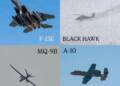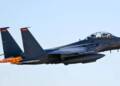
On Thursday (December 18), a new geopolitical event unfolded in the South China Sea, When The Trump administration announced its largest-ever weapons sale to Taiwan, an Island nation in the region which China wants to take over. The approved sale of a massive $11.1 billion package is the second major deal since President Trump returned to office earlier this year.
The timing of the approval was alarming for China. This comes at a time when China has been stepping up military drills and pressure around Taiwan, which it claims is a renegade province. Just a week ago, tensions in the East Sea flared on Taiwan with Japan, when Japanese jets were radar locked by the Chinese.
The situation in the South China Sea does not look normal; rather, a tense military standoff is underway due to the Chinese militarization and increased military presence in its backyard.
Knowing China’s intentions regarding Taiwan, which China wants to take over, this military weapons sale is crucial for the US and its allies in the Indo-Pacific, including Taiwan.
These actions have a long geopolitical game of the US, where it wants to pin down China in the South China Sea through Japan, Taiwan and the Philippines by arming them in the region. Japan will keep an eye on the upper portion of the sea, Taiwan will keep an eye on the middle, and the Philippines will deter China from the lower side of the sea. And these nations can not do this formidable job without the US support or weapons.
In order to deter Chinese aggression on Taiwan, Taiwan needs faster and more mobile systems that can hit hard without requiring large forces.
In a statement, Taiwan’s Ministry of Foreign Affairs said “Taiwan will also continue to deepen cooperation with the United States and other security partners, steadily enhancing its defense capabilities and resilience.”
Also Read: China–Japan Tensions Flare, after jets target each other now Tokyo readies Air Defences Near Taiwan
What does the Package consist of?
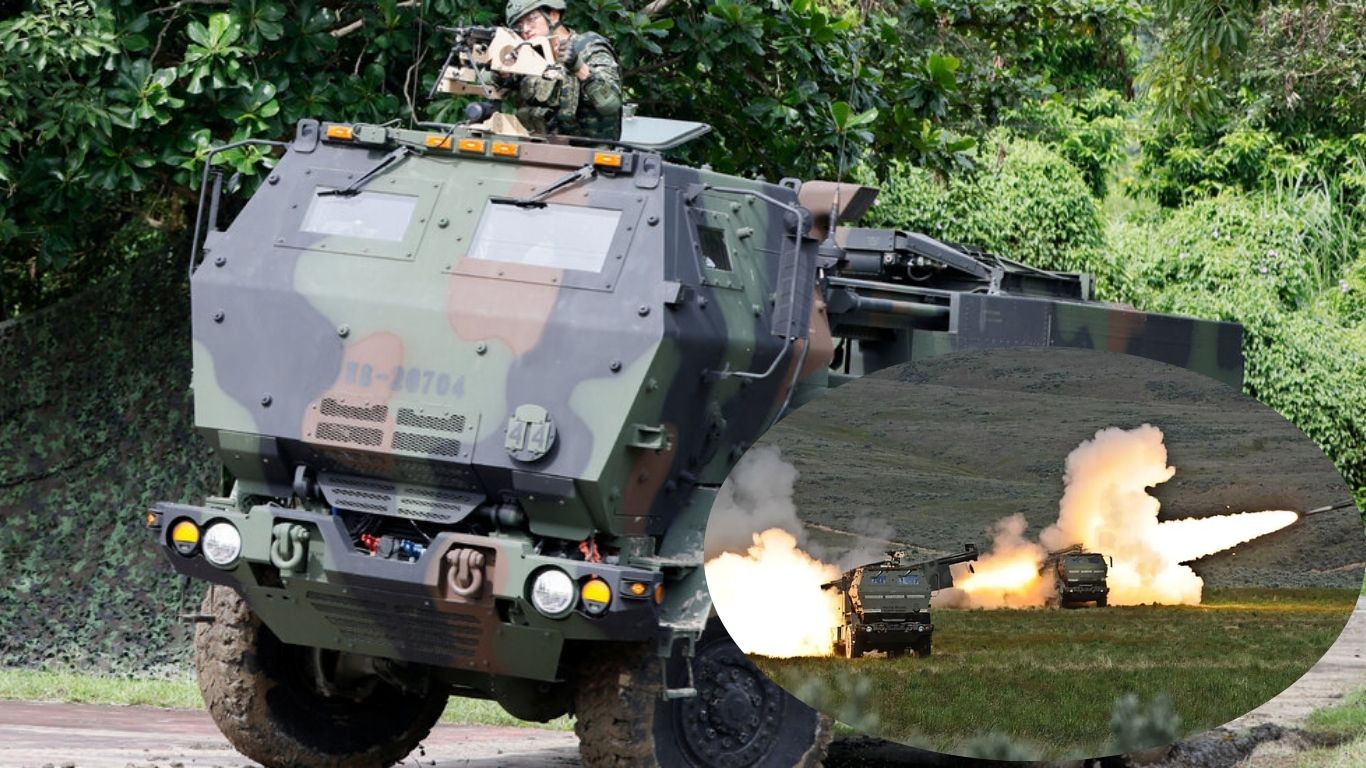
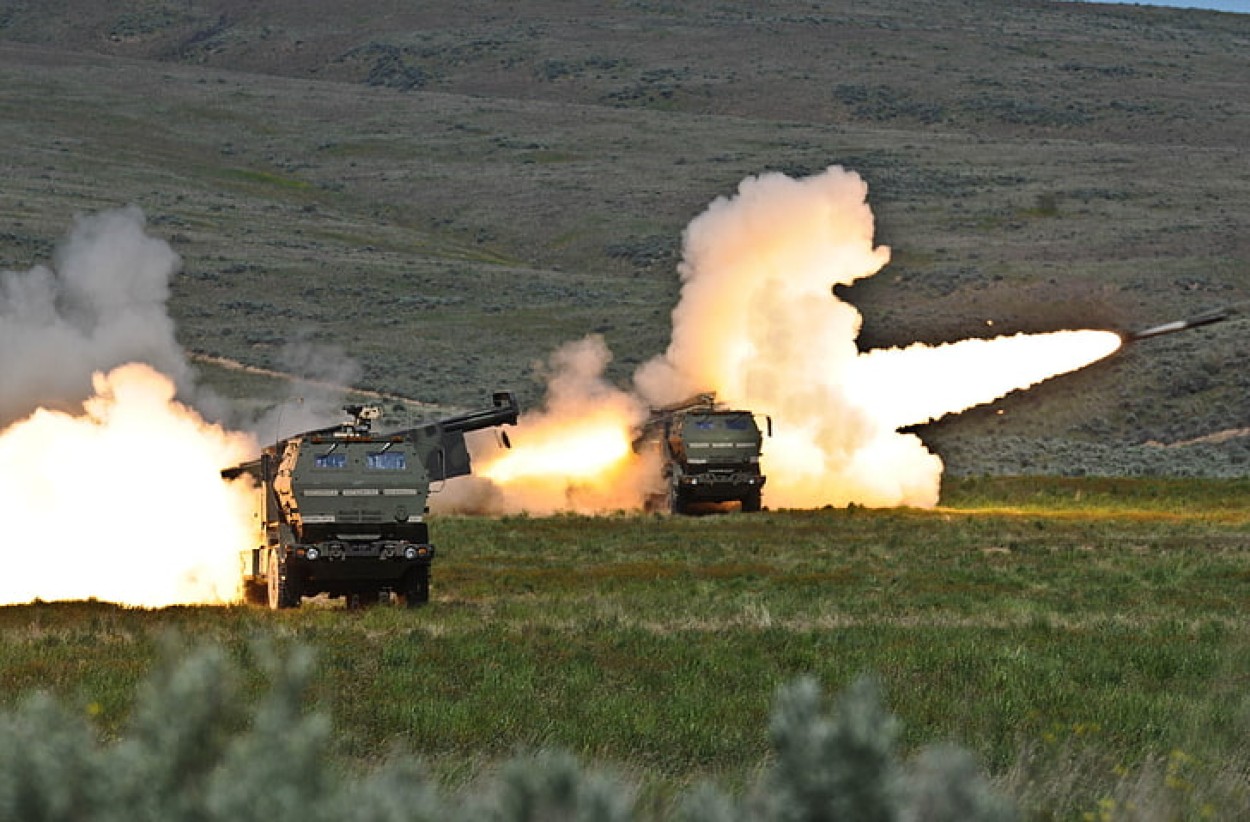
According to Taiwan’s defence ministry, and a report by NYT, the new US arms package includes “Ukraine-tested” HIMARS rocket launchers, self-propelled howitzers, Javelin and TOW anti-tank missiles, surveillance and combat drones, along with spare parts and support for existing weapons.
The potential deal is comparable in scale to the $18 billion arms sale approved in 2001 under President George W. Bush, though that earlier package was later reduced.
Taipei’s foreign ministry said this is the second arms sale announced during Donald Trump’s second term, underlining Washington’s strong commitment to Taiwan’s security. The defence ministry added that the sale is expected to formally take effect in about a month.
While the deal still needs US Congress approval, it is unlikely to be blocked due to bipartisan support for Taiwan’s defence. President Lai Ching-te’s government has also pledged to increase defence spending amid rising military pressure from China.
In a statement on its website, the Pentagon’s Defense Security Cooperation Agency said the proposed sale would serve US interests by supporting Taiwan’s “continuing efforts to modernize its armed forces and to maintain a credible defensive capability.“
Without explicitly mentioning Beijing, Taiwan’s defense ministry said in a statement that the weapons package would provide “strong deterrence and deterrence combat capabilities“ and “asymmetric combat advantages.”
The announcement of the package came while Taiwan’s president, Lai Ching-te, is seeking to push through Taiwan’s annual budget as well as an additional $40 billion special budget for increased spending on military hardware up to 2033.
How Does China Respond?
China denounced the announced arms sales by saying they violate China’s claimed sovereignty over Taiwan. The statement says, China’s top leader, Xi Jinping, has been trying to stabilize relations with Washington ahead of Mr Trump’s planned visit to Beijing in April. However, the US’ continued military support for Taiwan remains a source of friction.
Spokesman for the Chinese foreign ministry, Guo Jiakun said in a briefing, The latest arms sales “will only hasten pushing Taiwan toward the perils of war.“ The issue of Taiwan, he added, is a “red line that must not be crossed in China-U.S. relations.“
The statement is a clear threat warning to the US and Taiwan and an indication of the Chinese true intentions in the South China Sea, especially toward Taiwan.
Geopolitical experts from both nations have already warned for years that Mr Xi appears determined to regain control of Taiwan, and has been organizing his military for a potential invasion in the coming years.
US Does Not Recognize Taiwan, but Sees It as Vital to Its Strategic Interests in East Asia
It’s true that Washington does not formally recognize Taiwan as a country, but has supplied it with advanced weapons for decades as a close security and economic partner. The situation was different then when the US formally refused to recognize Taiwan in order to keep China neutral during the Cold War with the USSR, but now the geopolitical situation has changed, and the US’s priority has also changed. The US maintains a policy of “strategic ambiguity“ regarding whether it would come to the island’s defense in the event of an attack.