
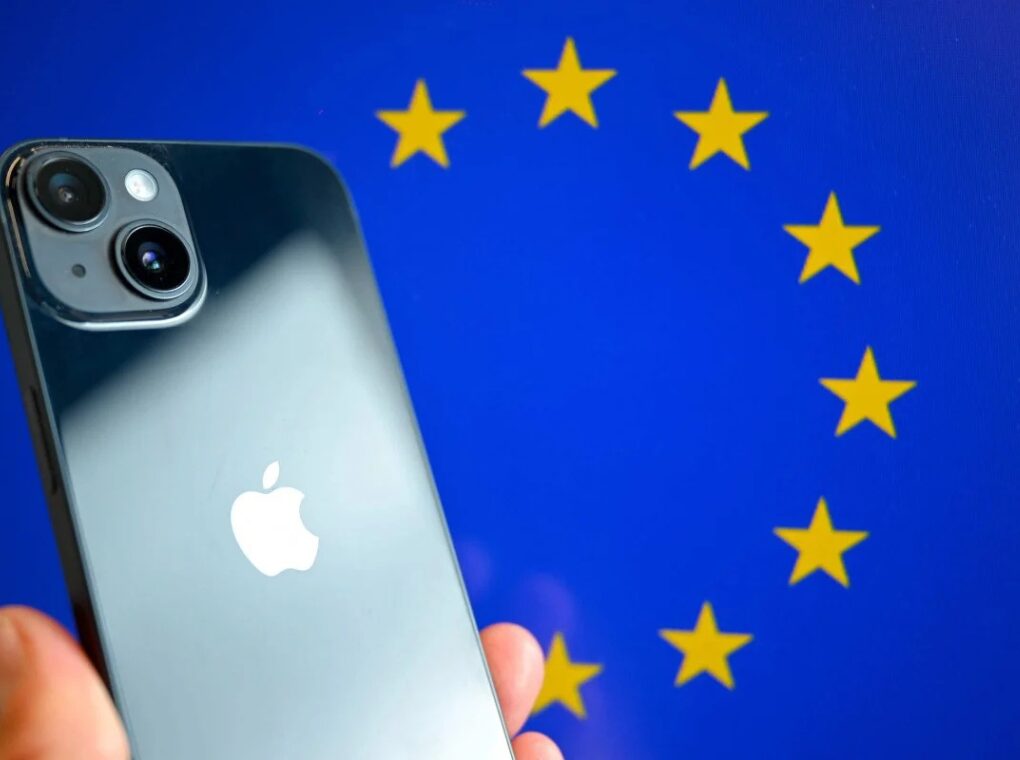
The European Union’s aggressive push to regulate Big Tech has reignited a major political confrontation with the United States, placing digital governance at the centre of a growing transatlantic rift. At the heart of the dispute are Brussels’ flagship laws — the Digital Services Act (DSA) and the Digital Markets Act (DMA) — which the Trump administration now openly frames as tools of censorship targeting American companies and speech.
Washington’s frustration escalated sharply this week after the US State Department announced visa bans on five prominent European figures, accusing them of advancing “foreign censorship crackdowns” against Americans and US-based technology firms. Among those barred from entering the US is former EU internal market commissioner Thierry Breton, widely regarded as one of the principal architects of the EU’s digital regulatory framework.
Washington’s Charge: “Extraterritorial Censorship”
US Secretary of State Marco Rubio accused European officials and civil society leaders of coercing American platforms into suppressing viewpoints they oppose. Calling the effort a “global censorship-industrial complex,” Rubio warned that the Trump administration would no longer tolerate what it sees as Europe’s attempt to export its content moderation standards beyond its borders.
“Our message is clear: if you spend your career fomenting censorship of American speech, you’re unwelcome on American soil,” said Sarah Rogers, the US under secretary of state for public diplomacy, who publicly named the five sanctioned Europeans.
In addition to Breton, the list includes leaders of organizations such as the Centre for Countering Digital Hate, the Global Disinformation Index, and Germany-based HateAid — groups that have influenced or supported stricter oversight of online platforms.
The Digital Services Act: Content Moderation Under Fire
Central to US criticism is the Digital Services Act, rolled out in stages since 2023. The DSA requires online platforms operating in the EU’s 27 member states to rapidly remove illegal content, curb disinformation, tackle hate speech and limit the sale of dangerous or counterfeit goods.
While EU officials frame the law as consumer and democracy protection, critics in the US argue it forces platforms to over-police speech to avoid punitive fines. Companies that repeatedly fail to comply can be fined up to 6 per cent of their global turnover, and in extreme cases, banned from operating in the EU.
The rules apply most strictly to “very large online platforms,” a category dominated by American firms including Apple, Amazon, Google, Meta, Microsoft, Snapchat, and Elon Musk’s X.
Tensions spiked earlier this month when the EU fined X €120 million for allegedly failing to meet transparency obligations, including providing data access to researchers and addressing what regulators described as deceptive design elements such as the “blue checkmark” verification system.
The Digital Markets Act: Rewriting Competition Rules
Alongside content moderation, the Digital Markets Act has transformed how Big Tech operates in Europe. Effective since March 2024, the DMA targets “gatekeeper” companies accused of abusing market dominance and stifling competition.
Seven firms have been designated as gatekeepers, including Alphabet, Amazon, Apple, Meta, Microsoft, ByteDance, and Booking.com. Under the law, these companies must allow interoperability with rivals, refrain from favouring their own services, and give users greater freedom to choose app stores, browsers, and payment systems.
Apple has already been fined €500 million for restricting alternative payment options outside its App Store, while Meta was fined €200 million over its “pay or consent” advertising model on Facebook and Instagram. Repeat offenders face penalties of up to 20 per cent of global turnover — figures that have deeply alarmed Washington.
GDPR, AI Rules, and a Pattern of Conflict
The tech clash extends beyond the DSA and DMA. Since 2018, the EU’s General Data Protection Regulation (GDPR) has imposed strict data consent rules, resulting in billions of euros in fines for US companies. Meanwhile, Brussels has adopted an AI Act that introduces guardrails on artificial intelligence in sensitive areas such as security, healthcare, and civil rights — though some provisions may be delayed or softened amid industry pressure.
To the Trump administration, these laws collectively amount to a systematic effort to constrain American technological dominance under the guise of regulation.
Europe Pushes Back
European leaders have rejected Washington’s accusations outright. Breton likened the visa bans to a “McCarthyite witch hunt,” stressing that the DSA was overwhelmingly approved by the European Parliament and unanimously backed by all 27 EU member states.
“To our American friends: censorship isn’t where you think it is,” Breton wrote, defending the legislation as democratically legitimate and necessary for public safety and market fairness.
Despite the visa bans, legal ambiguity remains. Many Europeans travel to the US under the Visa Waiver Program, raising questions about whether the sanctions will practically prevent the targeted individuals from entering American territory.
A Deepening Digital Divide
What is increasingly clear is that the battle over Big Tech regulation reflects a deeper philosophical divide. While Europe prioritizes regulation, consumer protection, and market fairness, the Trump administration frames these measures as ideological censorship and economic warfare against US firms.
As fines mount and political rhetoric hardens, the struggle over who sets the rules for the global digital economy appears far from over — with Big Tech caught squarely in the crossfire.